Conquer Wind Fatigue

Owen Murphy
| 29-04-2026
 · Automobile team
Riding a motorcycle can feel freeing, but anyone who's spent more than a few miles at highway speeds knows the fatigue caused by constant wind pressure.
That relentless push against your body isn't just tiring—it can affect control and focus.
The good news is that with some smart adjustments and small changes, you can significantly reduce wind resistance and make every ride more comfortable.
Optimize Your Riding Position
Your body posture has a direct impact on how much wind hits you.
Step 1: Keep your elbows slightly bent and relaxed, avoiding a stiff, locked position that increases resistance.
Step 2: Tuck in slightly behind your windshield or fairing when riding at high speeds. Small shifts forward or lowering your head a bit can dramatically reduce the wind hitting your chest and shoulders.
Example: A rider discovered that leaning forward just a few inches on a sport bike reduced shoulder fatigue after a long ride on the highway.
Experiment with small changes in posture until you find a position that balances comfort with visibility and control.

Use a Proper Windshield or Deflector
A well-designed windshield can redirect airflow around you instead of directly at your body.
Step 1: Ensure the windshield height matches your seating posture. Adjust it so the wind flows over your helmet rather than directly onto your chest.
Step 2: Add small deflectors or extensions if your bike allows. Even minor modifications can reduce turbulence near your hands and shoulders.
Example: Adding a slightly taller windshield on a commuter bike reduced helmet buffeting, making long rides far less tiring.
Regularly checking windshield tightness and positioning ensures consistent protection from wind pressure.
Dress Smart for Aerodynamics
Your gear can either fight the wind or help slice through it.
Step 1: Choose jackets and pants that fit snugly without flapping. Loose clothing increases drag and causes extra fatigue.
Step 2: Use streamlined helmets with smooth surfaces rather than ones with large spoilers or vents that catch air unnecessarily.
Example: Switching from a bulky textile jacket to a well-fitted leather jacket helped a rider feel less push from wind during a 90-mile trip, reducing overall fatigue.
Proper gear not only protects you in a crash but also helps you maintain a more stable, comfortable ride.
Position Mirrors and Accessories Correctly
Even small parts of your bike can create turbulence that pushes air back at you.
Step 1: Adjust mirrors so they sit close to the body profile without sticking out too far.
Step 2: Remove or reposition accessories like large top boxes or side bags that create extra drag, especially if you're riding at high speeds.
Example: A touring rider noticed that slightly angling the mirrors inward reduced the buffeting around their helmet, making the ride smoother.
Regular adjustments to accessories and mirrors can improve airflow and reduce constant wind resistance.
Consider Aerodynamic Riding Techniques
Your interaction with the wind changes how it affects your ride.
Step 1: When overtaking larger vehicles, move slightly to the side to avoid being hit by turbulent air from trucks or buses.
Step 2: Draft carefully behind smaller vehicles at safe distances to let them block some wind.
Example: On a long stretch of highway, a rider positioned slightly behind and to the side of a car, reducing wind pressure on their chest and arms, making the trip far less exhausting.
These small strategic movements can make a big difference, especially on longer rides or in windy conditions.
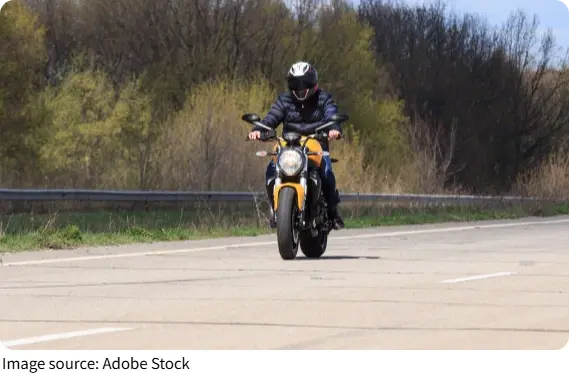
Reducing wind fatigue isn't about avoiding speed or cutting corners—it's about riding smarter. Adjusting posture, optimizing your windshield, dressing properly, arranging accessories, and using clever techniques all combine to make your ride smoother and more comfortable. With these simple strategies, the next time you hit the highway, you'll feel less push, less fatigue, and more enjoyment on every mile.