Timing Belt Danger

Raghu Yadav
| 28-04-2026
 · Automobile team
You turn the key, and the engine starts like it always does. No warning lights. No strange sounds. Everything feels normal.
That's exactly why timing belts are dangerous—they don't announce when they're about to fail.
A timing belt is a quiet coordinator. It keeps your engine's moving parts in sync. When it's healthy, you never notice it. When it breaks, the engine can stop instantly, often with serious internal damage. Knowing when to replace it is one of the smartest things you can do for your car.
What the Timing Belt Actually Does
Inside your engine, parts move at different speeds but must stay perfectly aligned. The timing belt connects them, making sure everything opens and closes at the right moment.
If that rhythm slips, performance drops. If the belt snaps, the engine can't protect itself.
Precise coordination
Stable engine rhythm
Quiet reliability
Look up whether your engine uses a timing belt or a timing chain. Many owners assume they're the same—they're not. Belts require scheduled replacement.

The Mileage Window You Shouldn't Ignore
Most manufacturers recommend replacing the timing belt between 60,000 and 100,000 miles. The exact number depends on your engine design.
It's not about how it looks. It's about age and stress. Rubber degrades over time, even if you don't drive much.
Typical replacement ranges:
- 60,000–70,000 miles for older designs
- 80,000–90,000 miles for many modern engines
- 6–8 years regardless of mileage
Predictable maintenance
Lower repair risk
Longer engine life
Write the recommended interval on a sticker inside your hood. You'll see it every time you check fluids.
Why Waiting Is So Risky
Unlike brakes or tires, timing belts often fail without warning. No squeal. No vibration. Just sudden silence.
In many engines, a broken belt allows internal parts to collide. That can mean bent components and a repair bill far larger than the belt itself.
Sudden failure
High repair cost
Unexpected downtime
If your car is near the recommended interval and you're planning a long trip, schedule the replacement first. It's cheaper than a tow and emergency repair.
Signs You're Getting Close
You rarely get clear signals, but there are hints:
- Ticking or slapping sounds from the engine
- Rough idling
- Difficulty starting
These don't always point directly to the belt, but they mean something is off.
Subtle noise changes
Unstable engine feel
Delayed starts
If your engine suddenly sounds different, ask a mechanic to inspect the belt during your next service. It's often visible with a small cover removed.
What's Usually Replaced Together
When a timing belt is changed, other parts in the same area are often replaced at the same time. This saves labor later.
Common companions:
- Water pump
- Tensioner pulley
- Idler pulleys
These parts wear at similar rates. Replacing them together prevents repeat visits.
One-time labor
Better reliability
Longer service interval
Ask for a “timing belt kit” quote instead of belt-only. It's usually a smarter long-term choice.
Cost vs. Consequence
A timing belt service isn't cheap. It often ranges from several hundred to over a thousand dollars depending on the engine layout.
But compare that with the cost of internal engine damage. That can exceed the value of the car.
Planned expense
Catastrophic prevention
Budget control
Start setting aside a small amount each month once your car reaches mid-life. When the service is due, it won't feel sudden.
How to Track It Without Stress
People forget timing belts because they're invisible. The solution is simple tracking.
Options:
- Maintenance app reminders
- Notebook in the glove box
- Service sticker under the hood
Clear awareness
No guesswork
Peace of mind
After replacement, ask the shop to write the mileage on a label. Place it near the radiator support.
Is It Ever Okay to Delay?
Short answer: not much.
A few thousand miles won't instantly destroy your engine. But once you pass the interval, you're relying on luck.
Belts don't fail gradually. They fail completely.
No warning curve
Unpredictable timing
All-or-nothing outcome
If money is tight, ask shops for payment plans or off-season discounts. Many offer them quietly.
What Replacing It Really Gives You
It's not just about avoiding damage. It's about confidence. You drive differently when you trust what's under the hood.
Longer trips without worry
Stable engine rhythm
Predictable ownership
After replacement, note how the engine feels. Many drivers notice smoother starts and quieter operation.
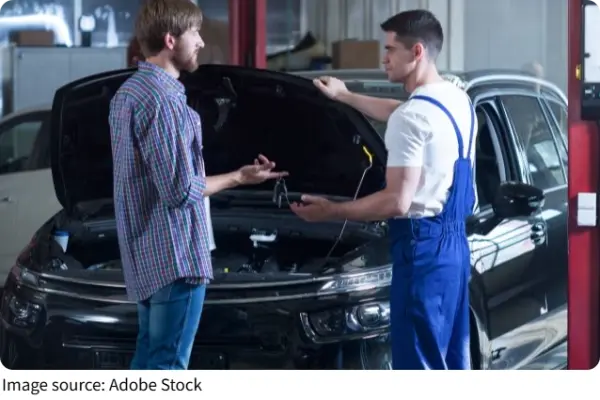
A timing belt isn't glamorous. It won't improve your sound system or your seat comfort. But it protects the heart of your car. You can't see it. You can't hear it working. Yet every mile depends on it.
Replacing it on time isn't about fear—it's about respect. Respect for the machine that carries you, and for the future miles you still want to drive.