Beginner Motorcycle Mistakes

Chandan Singh
| 28-04-2026
 · Automobile team
Learning to ride a motorcycle is an exhilarating journey, but beginners often face challenges that can slow progress or compromise safety.
From stalling at a stoplight to poor body positioning, these common mistakes are easy to make—but also easy to fix.
By recognizing and correcting them early, you can ride with confidence, control, and enjoyment.
1. Over-gripping the Handlebars
When you're new to riding, it's tempting to grip the handlebars too tightly. It's a natural response when you feel unsure or nervous. But over-gripping can actually lead to fatigue and decreased control over the bike.
How to fix:
Relax your grip on the handlebars. Your hands should be firm enough to steer, but not so tight that your forearms tense up. A relaxed grip will give you better control, reduce muscle fatigue, and make your ride more comfortable. Keep your elbows slightly bent, allowing for more fluid movement.
2. Riding Too Aggressively
It's easy to get caught up in the excitement of riding and start pushing the bike harder than necessary, especially in the early stages. Aggressive acceleration, braking, or cornering can lead to mistakes and loss of control.
How to fix:
Focus on smooth and steady inputs. Gradually accelerate and decelerate, and always maintain a comfortable pace, especially when you're still gaining experience. Think of riding as a dance rather than a race—flow with the bike instead of forcing it to do what you want it to do. This will help you stay in control and build confidence.
3. Not Using Proper Body Position
A poor riding posture can affect your control, comfort, and safety. Many new riders make the mistake of sitting too upright or leaning too far forward, which can lead to discomfort and difficulty handling the bike.
How to fix:
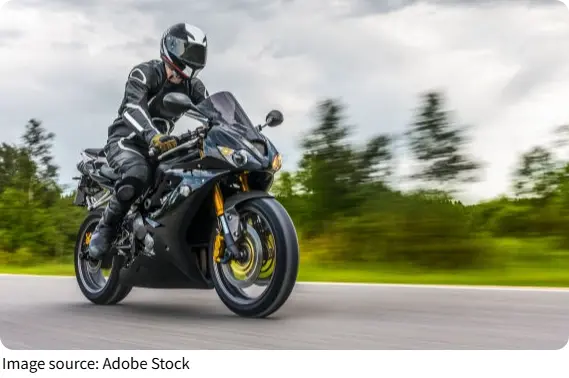
Your body should be relaxed but firm, with your shoulders back and elbows slightly bent. When cornering, try to keep your body centered over the bike, rather than leaning too much in one direction. Shifting your body weight during turns can help stabilize the bike and make you feel more connected to the road.
4. Stalling the Engine
Stalling is a common fear for beginners, but it happens to almost everyone at some point. It's usually caused by either releasing the clutch too quickly or not giving enough throttle when starting from a stop.
How to fix:
When starting off, slowly release the clutch while gradually applying throttle. Practice this “clutch-and-throttle” balance in a safe, open space until you get the feel for it. Don't rush; let the bike find its balance before you fully release the clutch. Once you're comfortable, stalling will become less of an issue.
5. Failing to Look Through Turns
A common mistake is not looking far enough ahead when turning. Many beginners tend to focus on the road directly in front of the bike, which can result in poor line choice and difficulty navigating the turn smoothly.
How to fix:
Always look through the turn, not just at the road immediately in front of you. Your eyes should guide your body and the bike, helping you take the most efficient and safest line through the curve. Remember to keep your head up and your vision focused on the exit of the turn. This will give you better control and help you anticipate any hazards in your path.
6. Misjudging Speed and Distance
New riders often misjudge how fast they're going or how much distance they need to stop, especially when riding in traffic or approaching an intersection.
How to fix:
Always ride at a safe and manageable speed, particularly when approaching intersections or potential hazards. Practice your braking in different conditions to get a feel for how quickly your bike can stop. Leave yourself plenty of space between you and other vehicles, and don't be afraid to slow down or stop if you feel uncertain about the situation.
7. Ignoring the Importance of Gear
Many beginners overlook the importance of protective gear, thinking it's unnecessary or too uncomfortable. However, protective gear can make a significant difference in case of an accident.
How to fix:
Always wear the proper gear before riding, even for short trips. A good helmet, gloves, jacket, and proper riding boots can greatly reduce the risk of injury. Gear doesn't have to be uncomfortable; many modern options are lightweight and breathable. Remember, your gear is your first line of defense.
8. Riding in the Wrong Gear
Using the wrong gear, especially when riding at lower speeds, can cause the engine to strain and make the bike harder to control. This is especially common when new riders try to ride in a higher gear too early, resulting in sluggish acceleration and stalling.
How to fix:
Pay attention to your gear selection and shift early enough to keep the engine running smoothly. In general, shift to a lower gear for slower speeds and acceleration, and shift to a higher gear as you gain speed. Get to know the bike's power band and practice shifting smoothly, so you can ride in the appropriate gear for each situation.

Remember, every rider starts as a beginner, and mistakes are simply stepping stones to mastery. By keeping a relaxed grip, perfecting your posture, and riding with focus and care, you can enjoy the freedom of the road safely. Practice consistently, stay aware, and make each ride an opportunity to grow as a confident motorcyclist.