Master Hill Riding

Liam Reilly
| 28-04-2026
 · Automobile team
Riding a motorcycle up and down hills is both exhilarating and challenging. For beginners, steep climbs and sudden descents can feel intimidating—but mastering them transforms every hill into an opportunity for confidence and control.
By learning the right techniques for throttle, gear shifting, braking, and body positioning, you can make every ride safer, smoother, and far more enjoyable.
Here’s your essential guide to conquering uphill and downhill motorcycle riding.
1. Controlling Speed on Uphill Rides
Climbing a steep incline can cause your bike to lose momentum, especially if you don't manage your throttle and gearing properly. If you don't give the engine enough throttle, it can stall or slow down, leaving you struggling to finish the climb. On the other hand, too much throttle can cause the rear tire to spin or even make you lose balance.
How to maintain:
When riding uphill, ensure that your throttle input is smooth and steady. Avoid jerking the throttle or revving too much, which could cause a loss of traction. Shift to a lower gear before the incline to give the bike more power. Keep your body slightly leaned forward to help maintain balance and prevent the bike from tipping back. If you start to lose speed, gently roll on the throttle to keep moving without overwhelming the engine.
2. Shifting Gears Properly
The importance of shifting gears when going uphill cannot be overstated. Shifting to a higher gear too soon or too late can leave you struggling for power or control. For newer riders, it can feel tricky to figure out the best time to shift.
How to maintain:
Shift down to a lower gear before you begin your ascent. Lower gears provide more torque, which is essential for climbing. As you approach the peak of the incline, anticipate the terrain and be ready to shift back to a higher gear to maintain momentum on flatter ground. Practice finding the right balance between engine power and gearing to get the most out of your bike on hills.
3. Braking Techniques for Downhill Rides
Descending a hill presents its own set of challenges. While gravity works in your favor for speed, it can quickly cause you to lose control if you don't manage braking properly. Braking too hard can lead to a skid, especially on loose or wet surfaces.
How to maintain:
When going downhill, avoid using just the front brake. Instead, use both brakes gently and evenly to control your descent. A good technique is to apply light pressure to the front brake and slightly more on the rear to help balance the bike and avoid skidding. Always maintain a steady speed—don't let gravity pull you down too quickly. Try to stay in a lower gear to help with engine braking, which provides additional control and reduces reliance on the brakes.
4. Keeping Your Body in the Right Position
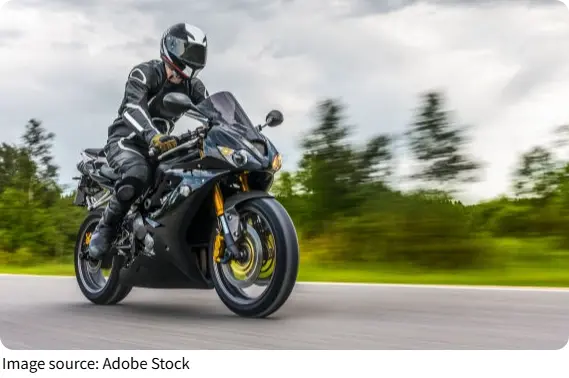
Your body position plays a significant role in your control, especially when navigating hills. On an incline, your body should be positioned in a way that maintains balance and prevents tipping over. On a decline, it's equally important to stay centered to prevent your bike from lurching forward too quickly.
How to maintain:
While going uphill, keep your body slightly forward, but relaxed. This helps distribute your weight in a way that prevents the bike from feeling too heavy in the rear. When riding downhill, shift your weight to the back of the bike to prevent the front wheel from dipping too much. Keep your knees close to the tank to help with stability and avoid leaning too far forward or backward.
5. Managing Road Conditions
Road conditions can drastically affect how you should approach both uphill and downhill riding. Gravel, loose dirt, or wet pavement can make your ride more challenging and increase the risk of losing traction.
How to maintain:
If you're riding uphill on a slippery surface, reduce your speed and avoid aggressive throttle inputs. Keep your body relaxed to help the bike absorb bumps and variations in the terrain. For downhill rides, be especially cautious if the road is wet or covered with debris. Use engine braking as much as possible, and avoid sudden movements that could cause you to lose control. In challenging conditions, consider dismounting and walking your bike if the incline is too steep or treacherous.
6. Anticipating Your Ride
Whether you're heading uphill or downhill, it's crucial to anticipate the terrain and adjust your riding technique accordingly. Too often, beginners find themselves reacting instead of anticipating, which can lead to overcompensation or abrupt movements.
How to maintain:
Before hitting a hill, observe your surroundings and think about how you'll approach the incline. Are there any obstacles ahead? How steep is the slope? Plan your gear shifts and braking accordingly. Similarly, when descending, stay aware of the gradient of the hill. If it's particularly steep, plan for more frequent braking and gear shifts. Practice riding on varied terrains to gain confidence in your ability to handle different inclines.
7. Staying Calm Under Pressure
Going up or down steep hills can be intimidating for many riders, especially if they've never encountered such slopes before. The key to maintaining control is staying calm and focused, which can be challenging when you feel like you're losing control.
How to maintain:
If you start to feel overwhelmed, slow down and focus on your breathing. Trust your skills and training, and remember to take it one step at a time. On steep inclines, break the ride into smaller, manageable sections. On descents, take it slow and remember that you're in control. Staying calm helps reduce panic and lets you make better decisions when riding through challenging terrain.
While uphill and downhill riding can feel intimidating at first, mastering these skills transforms every slope into a thrilling opportunity to build confidence and control. Remember to shift gears wisely, brake strategically, and keep your body balanced. Anticipate the terrain, stay calm, and practice consistently—every hill you conquer strengthens your skills and makes you a more confident rider. So gear up, embrace the challenge, and enjoy the ride!