Inside the Supercar

Finnegan Flynn
| 27-04-2026
 · Automobile team
The first time a supercar passes by, it doesn't just move—it announces itself.
The sharp lines, the low stance, the sound that echoes long after it's gone. But beyond the obvious spectacle lies a world of engineering decisions and surprising details that most people never notice.
They Sit Lower Than You Think
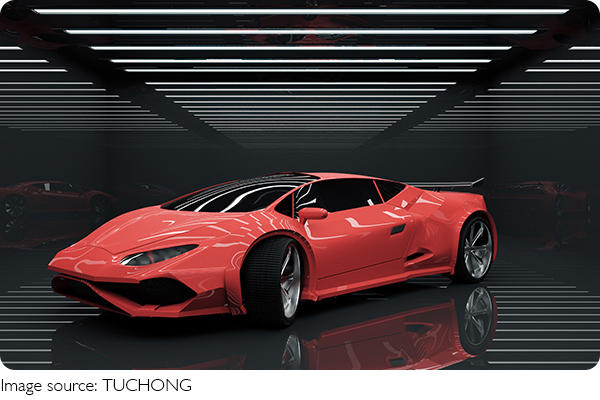
Supercars are designed with extremely low ground clearance, often just 100–120 mm. This isn't only for aesthetics—it directly improves aerodynamics and stability at high speeds. However, this design creates a practical challenge: even small speed bumps or driveway ramps can be obstacles.
To solve this, many models include a front lift system. At the press of a button, the front of the car raises temporarily, giving just enough clearance to pass everyday road features without scraping.
Materials Come From Aerospace Engineering
Supercars rely heavily on advanced materials to reduce weight while maintaining strength. Carbon fiber is the most iconic example, used in chassis, body panels, and even interior elements.
Compared to traditional steel, carbon fiber is lighter and significantly stronger. This improves acceleration, braking, and cornering performance simultaneously. Some manufacturers also use aluminum alloys and composite blends inspired by aerospace construction techniques, pushing efficiency even further.
Acceleration Feels Unreal
The numbers alone are impressive, but they don't fully describe the sensation. Many supercars can accelerate from 0 to 60 mph in under 3 seconds. What's fascinating is how they achieve this without losing control.
Launch control systems
These systems manage engine power and traction automatically, ensuring optimal grip during acceleration.
All-wheel-drive optimization
Some models distribute power across all four wheels to prevent slipping.
Advanced tire compounds
Specialized tires provide maximum grip under extreme forces.
The result is a controlled yet intense push that feels almost instantaneous.
Cooling Is a Major Design Focus
High-performance engines generate enormous heat. That's why supercars feature large air intakes, vents, and channels throughout the body.
These aren't decorative—they guide airflow to cool critical components like the engine, brakes, and transmission. Even the shape of the car is carefully sculpted to direct air efficiently. In some models, active aerodynamic elements adjust automatically depending on speed and temperature needs.
Brakes Are Built for Extremes
Stopping a high-speed vehicle safely requires just as much engineering as making it fast. Many supercars use carbon-ceramic brake systems.
These brakes offer:
• Exceptional heat resistance
• Consistent performance under repeated use
• Longer lifespan compared to traditional systems
They also reduce overall vehicle weight, contributing to better handling.
Production Numbers Are Surprisingly Low
Unlike standard vehicles, supercars are often produced in limited quantities. Some models are restricted to a few hundred units worldwide.
Exclusivity
Limited production increases rarity and desirability.
Craftsmanship
Many components are assembled by hand, ensuring precision.
Customization
Buyers can often personalize colors, materials, and finishes.
This combination makes each car feel more like a tailored product than a mass-produced item.
They Are Tested in Extreme Conditions
Before reaching customers, supercars undergo rigorous testing. Engineers push them through deserts, cold climates, and high-speed tracks to ensure reliability.
This process helps refine:
• Engine durability under stress
• Suspension response on different surfaces
• Aerodynamic stability at high speeds
What looks like effortless performance is actually the result of thousands of hours of testing and refinement.
Sound Is Carefully Engineered
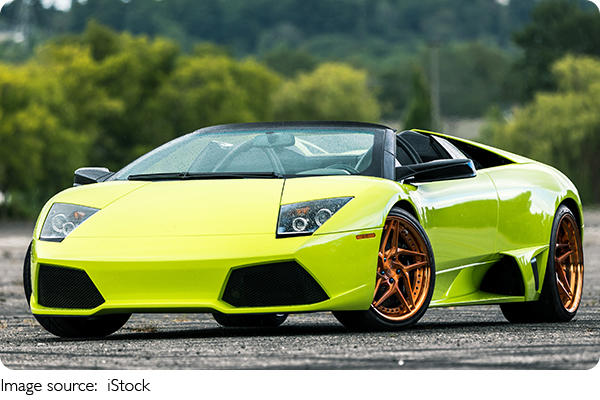
The distinctive sound of a supercar isn't accidental. Engineers tune the exhaust system to create a specific acoustic profile.
This involves:
• Pipe length and shape adjustments
• Valve systems that control sound levels
• Engine configuration influence
The result is a sound that enhances the driving experience without compromising performance.
Supercars are more than fast vehicles—they are a blend of design, engineering, and precision. Every curve, material, and component serves a purpose. Once you understand the details behind them, you start to see these machines not just as symbols of speed, but as carefully crafted expressions of innovation.