EV Economy Ripple

Nolan O'Connor
| 24-04-2026
 · Automobile team
You might notice more charging stations popping up near shopping centers and highways.
Electric cars aren't just about cleaner air—they're creating a ripple effect that's reshaping economies, influencing industries, and changing the job market.
From car manufacturers to energy providers, the shift to electric mobility touches nearly every corner of the economy.
Boosting New Industries
The electric car revolution is fueling the growth of entirely new industries.
Battery manufacturing has become a major economic driver, requiring investment in factories, raw materials, and research. Companies producing lithium-ion batteries are expanding rapidly to meet demand.
Charging infrastructure is another booming sector. From urban fast chargers to highway networks, the installation and maintenance of stations create jobs and attract private investment.
Recycling and battery reuse industries are emerging to handle spent batteries sustainably, opening opportunities for innovation and new businesses.
Actionable example: Local governments or private investors can partner to build community charging hubs, creating jobs while supporting electric vehicle adoption.
Impact on Traditional Automotive Jobs
Electric vehicles change how cars are built, affecting employment in established sectors.
EVs have fewer moving parts than gasoline vehicles, reducing the need for certain assembly line roles, particularly in engine manufacturing.
At the same time, demand for software engineers, electrical technicians, and battery specialists is rising sharply.
Training and reskilling programs help workers transition from traditional auto roles into EV-focused positions.
Actionable example: A traditional mechanic might take an EV maintenance course, expanding their services to include battery diagnostics and software updates.
Shifting Energy Markets
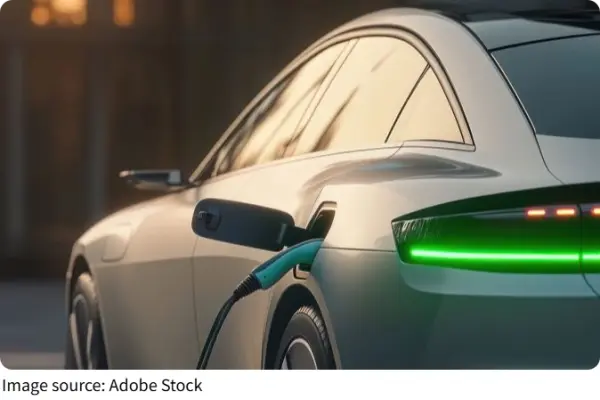
Electric vehicles are also reshaping energy demand and distribution.
With more cars charging from the grid, electricity providers see new revenue streams and must invest in capacity upgrades.
Renewable energy adoption often accelerates alongside EV growth, as clean energy reduces the carbon footprint of vehicles.
Smart grid technology and time-of-use pricing allow utilities to manage load efficiently and encourage off-peak charging.
Actionable example: Homeowners installing solar panels can charge their EVs during the day, reducing electricity costs while supporting grid stability.
Consumer Spending and Economic Ripple Effects
The EV transition affects consumer behavior and spending patterns.
Electric cars often have higher upfront costs but lower running expenses, freeing money for other purchases over time.
Reduced reliance on gasoline can shift household budgets toward other goods and services, indirectly boosting sectors like retail and entertainment.
Governments may offer incentives or tax breaks for EV purchases, stimulating economic activity in related industries.
Actionable example: A family saving on monthly fuel costs might redirect that money to home improvements, creating demand for local construction businesses.
Global Trade and Investment Changes
The electric car revolution isn't just local—it's influencing global economics.
Countries rich in lithium, cobalt, and nickel see increased export opportunities to supply battery manufacturers.
Automakers invest in international EV production and R&D hubs to stay competitive in a rapidly changing market.
International partnerships emerge, from battery supply chains to technology sharing, affecting trade balances and foreign investment.
Actionable example: An automaker may set up a regional EV battery plant to reduce shipping costs and tap into local incentives, generating jobs and investment locally.
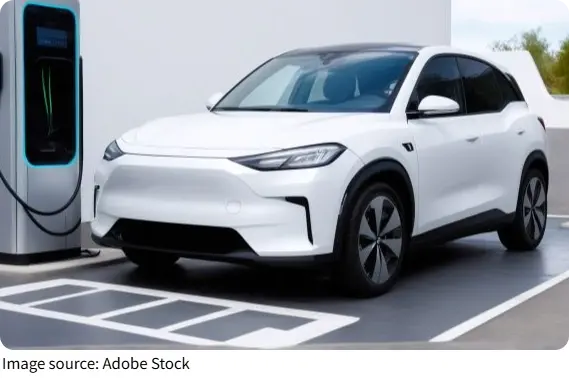
The rise of electric vehicles goes beyond cleaner transportation—it's a force reshaping industries, creating jobs, and influencing global trade. As more consumers embrace EVs, the economic landscape will continue to evolve, with opportunities for businesses, workers, and communities ready to adapt.
Paying attention to these changes helps individuals and companies position themselves strategically for a future powered by electric mobility.