How to Extend Engine Life

Chris Isidore
| 24-04-2026
 · Automobile team
Every time you start your car, your engine is doing a complex dance of pistons, fuel, and lubrication.
Treat it well, and it can last hundreds of thousands of miles.
Neglect it, and you could face costly repairs. Extending your engine's life isn't about secret tricks—it's about consistent care and smart driving habits.
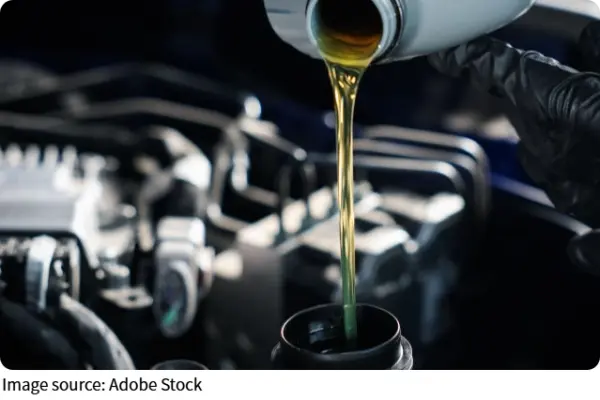
Stick to Regular Oil Changes
Oil is the lifeblood of your engine. It lubricates moving parts, reduces friction, and helps dissipate heat. Over time, oil degrades and loses its protective properties.
Example: One driver skipped oil changes for 10,000 miles beyond schedule and noticed reduced performance and louder engine noise. Correcting the schedule restored smooth operation.
Actionable tip: Follow the manufacturer's recommended oil change intervals. For high-mileage engines, consider synthetic oil, which maintains viscosity longer and protects better under stress.
Monitor Coolant Levels and Temperature
Engines generate heat, and coolant keeps temperatures under control. Running hot or low on coolant can warp engine parts and damage gaskets.
Example: A driver ignored a slow coolant leak. The engine overheated on a long drive, causing the head gasket to fail—a repair costing thousands.
Step-by-step: Check coolant levels monthly. Inspect hoses for cracks or leaks. If the temperature gauge rises above normal while driving, safely pull over, let the engine cool, and refill as needed.
Replace Air Filters on Time
A clean air filter ensures the engine gets the right air-to-fuel mixture. A clogged filter reduces efficiency and increases wear.
Example: A clogged filter caused a car to struggle during acceleration. Replacing it improved power and fuel economy immediately.
Tip: Check air filters every 12,000–15,000 miles or as recommended. In dusty areas, inspect more frequently. A simple replacement can prevent carbon buildup inside the engine.

Use Quality Fuel
Low-quality or contaminated fuel can clog injectors and damage pistons over time.
Example: A driver consistently used low-grade fuel and experienced misfires. Switching to recommended octane fuel resolved the issue and stabilized engine performance.
Advice: Always use the octane rating recommended by your car's manufacturer. Avoid topping up at unreliable stations when possible. Consider fuel system cleaners periodically to remove deposits.
Don't Ignore Warning Signs
Dashboard lights and unusual sounds are early alerts of engine stress. Ignoring them can accelerate wear.
Example: A check engine light indicated a minor sensor issue. Ignoring it led to catalytic converter damage. Addressing it early prevented costly repairs.
Actionable step: Investigate any unusual noises, vibrations, or warning lights immediately. Quick diagnostics often prevent major engine damage.
Warm Up and Cool Down Properly
Rapid temperature changes strain engine components. Cold starts and aggressive stops increase wear.
Example: A driver frequently drove hard immediately after starting in cold weather, causing oil starvation at key engine points. Adjusting driving habits reduced engine wear.
Tip: Let your engine idle for 30–60 seconds in cold weather before driving. Avoid turning off the engine immediately after high-speed drives; allow it to idle briefly to stabilize temperature.
Keep Up with Scheduled Maintenance
Belts, spark plugs, timing chains, and hoses degrade over time. Replacing them as scheduled prevents engine failure.
Example: A worn timing belt snapped during a long trip, causing major engine damage. Preventive replacement would have avoided the breakdown.
Step-by-step: Follow the service intervals in your owner's manual. Keep records of each replacement to stay ahead of potential failures.
Drive Smoothly
Hard acceleration, frequent stops, and high-speed driving put extra strain on engine components.
Example: Two identical cars were driven differently—one aggressively, the other conservatively. The aggressively driven car showed more wear and reduced lifespan after several years.
Tip: Accelerate gradually, avoid unnecessary high revs, and use cruise control on highways when possible. Gentle driving extends engine life and improves fuel efficiency.
Taking care of your engine doesn't require magic—just attention and consistent habits. Regular oil changes, timely maintenance, careful fueling, and smooth driving create a foundation for long-lasting performance.
Think of your engine as a partner: the better you treat it, the longer it keeps you on the road without costly interruptions. With a few simple steps, your car can serve you reliably for years, mile after mile.