The Evolution of Sports Cars

Ravish Kumar
| 21-04-2026
 · Automobile team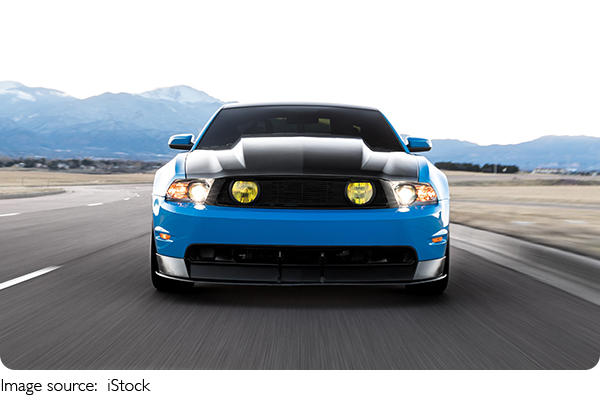
Sports cars have long been the epitome of speed, style, and engineering excellence.
These vehicles have evolved significantly from their early days, with advances in technology, design, and performance making them more powerful and efficient than ever before. But what exactly defines a sports car, and how did it go from a niche product to the cultural icons we see today?
In the early 20th century, the concept of a "sports car" was born out of a desire to create a vehicle that prioritized performance over comfort. The first sports cars were simple, lightweight machines designed for racing and fast driving on open roads. Models like the 1914 Vauxhall 25-hp were some of the earliest examples, setting the groundwork for the future of sports cars.
The Early Days: 1920s-1940s
The first true sports cars emerged in the 1920s, marking the beginning of an automotive revolution. Manufacturers like Mercedes-Benz and Alfa Romeo began creating cars that were not only fast but also stylish, combining powerful engines with sleek, aerodynamic designs.
The Birth of the Roadster
In the 1920s and 1930s, roadsters became a popular sports car style. These two-seater, open-top cars became symbols of freedom and adventure. The 1930s saw the introduction of iconic models like the Bugatti Type 35, known for its lightweight frame and high-speed capabilities.
Racing Origins
Sports cars were initially built with racing in mind. For instance, the Mercedes-Benz 300SL, introduced in the 1950s, was originally designed for motorsport before becoming a road car. Its distinctive gullwing doors and powerful engine made it one of the most iconic cars of its time.
The Golden Age: 1950s-1960s
The 1950s and 1960s marked a golden era for sports cars. During this period, manufacturers like Ferrari, Porsche, and Jaguar revolutionized the industry, creating models that are still revered by collectors today.
Ferrari's Legacy
The 1950s saw Ferrari take center stage with models like the Ferrari 250 GTO. Known for its race-winning performance and stunning design, the 250 GTO became one of the most valuable sports cars in history. This era solidified Ferrari as a symbol of luxury and high performance.
The Porsche 911
Introduced in the early 1960s, the Porsche 911 quickly became an icon. Its distinctive round headlights and rear-engine layout set it apart from other sports cars. Over the years, the 911 has evolved into one of the most enduring and recognizable sports cars in the world, with each new generation offering advanced technology while preserving its classic appeal.
The Muscle Car Era: 1970s-1980s
While sports cars in Europe were evolving towards sleek, sophisticated machines, American manufacturers took a different route. The 1970s and 1980s saw the rise of the muscle car, a uniquely American take on performance driving.
The Chevrolet Corvette
The Chevrolet Corvette, particularly the iconic C3 model released in the 1970s, became synonymous with American muscle. Known for its powerful V8 engine and aggressive styling, the Corvette was a symbol of American automotive pride, offering raw power at an affordable price.
The Ford Mustang
The Ford Mustang, introduced in the 1960s, continued to dominate through the 1970s and 1980s. The Mustang offered a combination of performance and style, making it a popular choice for those seeking a powerful yet affordable sports car. Its evolution into a more refined vehicle in the 1980s marked a shift towards the modern era of sports cars.
The Modern Era: 1990s-Present
The 1990s and beyond have seen significant advancements in technology, design, and performance in sports cars. Modern sports cars offer unparalleled speed, precision, and efficiency, thanks to improvements in engine technology, aerodynamics, and materials.
The Rise of Japanese Sports Cars
In the 1990s, Japanese manufacturers like Toyota and Nissan began to make a big impact on the sports car market. The Toyota Supra and Nissan Skyline GT-R became legends due to their performance capabilities, including turbocharged engines and exceptional handling.
The Tesla Roadster
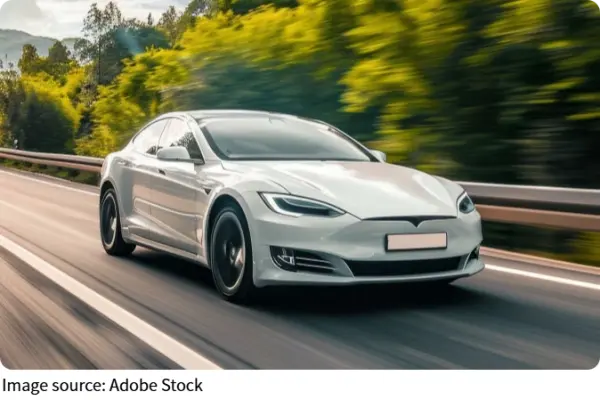
One of the most groundbreaking sports cars of the modern era is the Tesla Roadster. As the first all-electric sports car, it changed the game by proving that electric vehicles could be both environmentally friendly and high-performance. The Roadster's impressive acceleration and top speed paved the way for the future of electric cars in the performance sector.
Hybrid and Electric Sports Cars
As the demand for eco-friendly cars rises, manufacturers like Porsche and McLaren have introduced hybrid sports cars that combine performance with sustainability. The Porsche 918 Spyder, for example, boasts a powerful hybrid engine while offering a thrilling driving experience. These vehicles represent the next generation of sports cars, balancing speed with environmental responsibility.
What's Next? The Future of Sports Cars
The future of sports cars looks brighter than ever. As technology continues to evolve, we can expect to see even more advancements in performance, safety, and sustainability. From autonomous driving to fully electric powertrains, the possibilities for the next generation of sports cars are limitless.
Autonomous Sports Cars
In the coming years, we may see sports cars that offer fully autonomous driving capabilities. These cars will combine high-performance driving with the convenience and safety of self-driving technology, creating a new kind of driving experience.
Sustainable Performance
With the push for sustainability, future sports cars will likely focus on eco-friendly technologies, including hydrogen fuel cells and more advanced electric powertrains. This will help create cars that are not only fast but also environmentally responsible, appealing to a new generation of performance enthusiasts.
A Legacy of Speed and Style
Sports cars have come a long way from their humble beginnings. What started as lightweight, performance-focused vehicles has evolved into technological masterpieces that offer speed, style, and sustainability. As we look to the future, sports cars will continue to push the boundaries of automotive engineering, blending the best of performance with cutting-edge technology.
The journey from the past to the present shows just how much these vehicles have changed, but one thing remains constant—their ability to excite and inspire.