Safe Driving Rules

Arvind Singh
| 15-04-2026
 · Automobile team
Every time you get behind the wheel, you take on a responsibility that goes far beyond your own safety.
A single moment of distraction, hesitation, or poor judgment can change lives in an instant — not just yours, but those of passengers, pedestrians, cyclists, and everyone sharing the road with you.
Safe driving isn’t something you practice occasionally or only on long trips. It’s a standard you commit to every time you start the engine — whether you’re driving five minutes down the street or across an entire city. The habits you choose in those moments determine the outcome of every journey.
Keep Your Full Attention on Driving
Distracted driving is one of the most preventable causes of road accidents. Preventing it starts with a firm commitment before you turn the key:
1. Give 100% of your attention to driving — no multitasking, no exceptions
2. Put your phone away and keep all electronic devices out of reach while the vehicle is moving
3. Reduce speed — higher speeds leave less time to react and increase the severity of any impact
No notification, message, or adjustment is worth the risk. If something needs your attention, pull over first.
Practice Defensive Driving Every Trip
Defensive driving means anticipating problems before they happen rather than reacting after they already have. The core principles are straightforward:
1. Stay aware of every vehicle around you and expect the unexpected from all of them
2. Assume other drivers will make errors — be ready to avoid the consequences
3. Keep at least a three-second cushion between your vehicle and the one ahead
4. Extend that buffer to six seconds or more in bad weather or low visibility
A defensive mindset doesn't mean driving slowly everywhere. It means driving smart everywhere.
Plan Every Trip Before You Leave
A few minutes of preparation before departure can prevent rushed, high-risk decisions on the road:
1. Build extra time into your schedule for rest stops, food, and any necessary calls — handle them off the road
2. Adjust your seat, mirrors, and climate controls before shifting into gear — never while moving
3. Secure any cargo that could shift during the drive
4. Keep toll cards, passes, and anything else you'll need within easy reach before you start
Preparation removes the temptation to handle things while driving.
What to Do After an Accident
Accidents happen even to careful drivers. Knowing how to respond keeps a bad situation from becoming worse:
1. Check immediately for injuries — start with your own vehicle, then the other parties involved
2. Stay at the scene — leaving can result in serious legal consequences
3. Call emergency services right away and wait for an official report to be completed
4. If you're on a busy road, move to a safe location if possible; if not, remain inside the vehicle until help arrives
5. Stay calm — exchange contact and insurance information without confrontation
6. Contact your insurance provider as soon as possible to begin the claims process
Document what you can and collect witness contact information if available.
Speed Limits and Road Safety Laws
Speed limits exist for specific reasons tied to each road's layout, pedestrian activity, and risk level. Ignoring them puts everyone in danger and carries real consequences — fines, court appearances, license suspension, and higher insurance premiums. Beyond speed, a few critical rules every driver must follow:
1. Never pass a stopped school bus displaying its stop sign — children may be crossing
2. Pull to the side and stop when an emergency vehicle approaches from behind
3. Come to a complete stop at every stop sign and verify the intersection is clear before proceeding
4. When parking, obey all posted restrictions — including handicapped zones, fire hydrant clearances, bus stops, and permit areas
Winter Driving Requires a Different Approach
Snow, freezing rain, slush, and black ice transform familiar roads into genuinely hazardous conditions. Winter driving demands specific adjustments:
1. Always buckle up — seat belts are your most effective protection in any crash
2. Exercise extra caution at intersections, shaded areas, bridges, and overpasses where ice forms fastest
3. Monitor weather reports regularly and avoid driving during severe weather conditions when possible
4. Keep an emergency kit in the trunk — blankets, a first aid kit, and jumper cables at minimum
5. Start every winter trip with a fully charged phone and a full tank of fuel
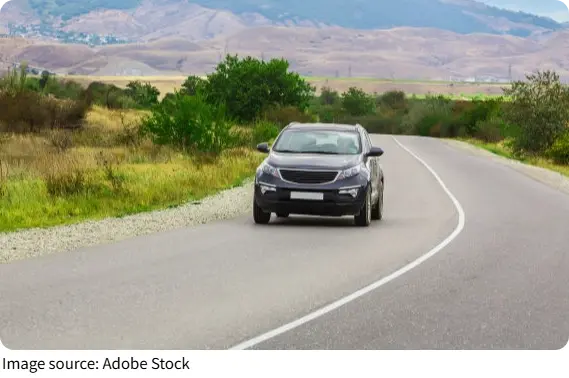
At its core, responsible driving isn’t about skill, speed, or experience — it’s about discipline. It’s about making the right decision every single time, even when the road feels easy, familiar, or empty.
The safest drivers aren’t the ones who react the fastest — they’re the ones who never put themselves in a position to need to. Stay focused, stay prepared, and stay consistent. Because in the end, it’s not one big decision that keeps people safe — it’s hundreds of small, correct ones made every time you drive.