Wheels of Liberty

Ethan Sullivan
| 26-03-2026
 · Automobile team
From the moment people first sat behind a steering wheel, cars have represented more than mere transport.
They've come to symbolize the ability to choose one's path, take control of one's daily life, and explore beyond familiar horizons.
This connection between automobiles and freedom has deep historical roots and remains powerful in modern culture — shaping identity, aspiration, and personal autonomy in profound ways.
The Historical Journey to Freedom
The evolution from horse drawn carriages to internal combustion engines marked a major shift in human mobility. With a car, people no longer depended on public timetables, animals, or physical stamina to travel; they could go where they pleased, whenever they pleased.
This combination of spontaneity, speed, and independence elevated the car into a symbol of individual liberty. Through the twentieth century, owning a car became synonymous with opportunity: reaching distant jobs, visiting family, and embarking on leisure trips with minimal constraints.
Automobiles in Cultural Imagination
Cars also occupy a central place in cultural storytelling. In films, literature, and art, they often stand in for freedom itself — the open road becomes a metaphor for life's possibilities. Sleek designs and powerful engines don't just communicate performance; they express personality and aspiration.
As described in discussions of automotive storytelling, cars have transcended their utilitarian roots to become cultural icons, capturing our collective imagination about freedom, identity, and mobility.
Personal Freedom on Wheels
At the individual level, cars offer psychological and practical freedom. They provide:
- Independence: Owners decide when, where, and how to travel without relying on public schedules.
- Privacy: Time spent in a car can be a personal space for reflection or solitude.
- Opportunity: Access to employment, education, and community life expands significantly with personal mobility.
This sense of control over one's environment and schedule reinforces the idea that driving is not merely a task, but a lived experience of autonomy.
Challenges to the Freedom Narrative
It's important to recognize that the symbolic freedom of cars coexists with real world constraints. Traffic congestion, costs associated with ownership, and regulatory requirements can limit mobility in practice.
Moreover, the cultural narrative of cars as freedom can overlook the accessibility barriers for those who cannot drive or afford a vehicle. But even with these complexities, the ideal of freedom tied to driving persists in cultural discourse, shaping how people view their independence and choices.
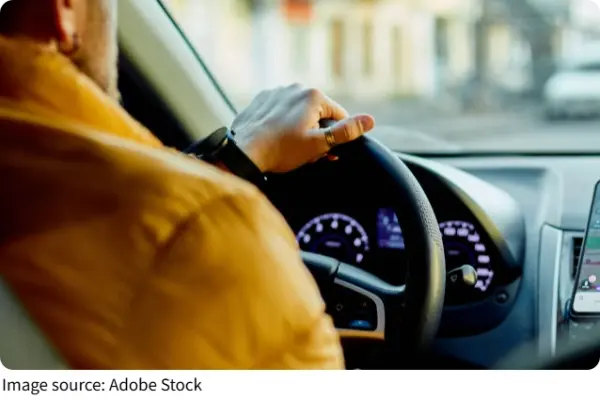
Conclusion: Freedom in Motion
Cars have become powerful symbols of freedom in modern life because they embody personal choice, movement, and control over one's environment. While not without limitations, the ability to drive is often seen as a rite of passage and a manifestation of autonomy.
This symbolic meaning continues to resonate because it connects everyday experiences — going to work, exploring new places, or simply taking a road trip — with a deeper human desire for self determination and possibility. As our mobility landscape continues to evolve, the cultural significance of cars may shift, but their role as emblems of freedom remains enduring.