EV vs Gas: The Real Cost

Santosh Jha
| 05-03-2026
 · Automobile team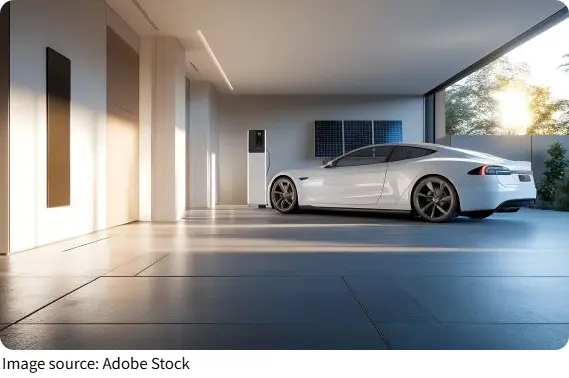
The decision often begins in a dealership parking lot. One car sits silently, ready to move with a gentle press of the pedal.
The other hums with a familiar engine note that many drivers grew up hearing.
The price tags may look comparable, but the real question stretches far beyond the sticker: over five or ten years, which vehicle truly costs more—and which feels better to live with every day?
Electric vehicles and gasoline-powered cars represent two fundamentally different engineering philosophies. Comparing them requires looking at total cost of ownership and the daily driving experience, not just purchase price.
Long-Term Ownership Costs
1. Energy vs Fuel Expenses
Electric vehicles generally cost less per mile to operate. According to data from the U.S. Department of Energy, charging an EV at home often results in a lower cost per mile than fueling a gasoline car, depending on local electricity rates and fuel prices. For example, if electricity costs around $0.15 per kWh and an EV consumes about 30 kWh per 100 miles, that equates to roughly $4.50 per 100 miles. A gasoline vehicle averaging 30 miles per gallon at $3.50 per gallon would cost about $11.67 for the same distance. Over 12,000 miles per year, the difference becomes significant.
However, public fast charging can narrow that gap. Fast-charging rates are typically higher than residential electricity prices, so drivers who rely heavily on public infrastructure may see reduced savings.
U.S. Environmental Protection Agency (EPA) notes: “The price of gasoline and electricity varies around the country, but it is typically cheaper to charge a PEV than to fill up a gas tank.”
2. Maintenance Requirements
Electric vehicles have fewer moving parts. They do not require oil changes, spark plugs, or exhaust system repairs. Regenerative braking can also reduce brake wear by converting kinetic energy into stored electricity. This often extends brake pad life compared to traditional vehicles.
Gasoline vehicles, by contrast, require regular oil changes, transmission fluid servicing, and more frequent mechanical inspections. Over several years, these routine services add measurable cost.
That said, EV owners must consider long-term battery health. Many manufacturers offer around 8-year/100,000-mile battery warranties (terms vary by brand and country).
Battery replacement costs have declined over time, but replacement outside warranty can still be a meaningful expense.
3. Depreciation and Incentives
Depreciation varies widely by model, market, and pricing changes. EV and gas resale values can shift quickly with incentives, new model pricing, and local demand, so it’s best to compare specific models in your region.
Government incentives can also change the financial equation. In some regions, purchase rebates or tax credits reduce upfront costs, effectively lowering total ownership expense.
Driving Experience in Daily Life
1. Acceleration and Responsiveness
Electric motors deliver instant torque. This means acceleration begins immediately when the driver presses the pedal, without gear shifts or engine revving. Even modestly priced EVs can feel quick in urban traffic because power delivery is smooth and continuous.
Gasoline vehicles build power progressively, often accompanied by engine sound and gear changes. Some drivers prefer this mechanical feedback, associating it with engagement and character.
2. Noise and Comfort
At low speeds, EVs are nearly silent. The absence of engine vibration can make city driving more relaxed. Cabin noise primarily comes from wind and tires rather than combustion.
Gasoline vehicles produce engine noise and vibration, especially during acceleration. For some drivers, this sound enhances emotional connection; for others, it contributes to fatigue during long commutes.
3. Refueling vs Charging Habits
Refueling a gasoline vehicle typically takes five minutes at a service station. The process is familiar and widely accessible.
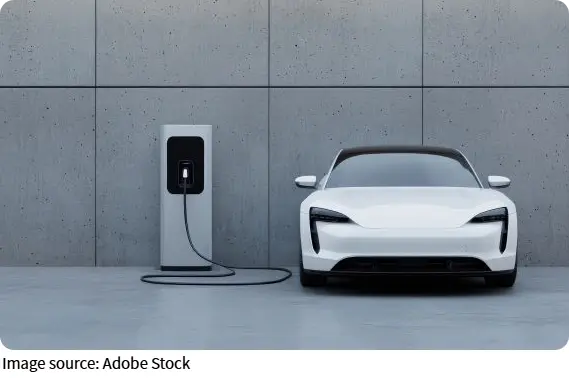
Charging an EV reshapes routine. Home charging allows drivers to start each day with a full battery, eliminating weekly fuel stops. However, long-distance travel requires planning around charging stations, with fast charging sessions often taking longer than a gas stop and dependent on the vehicle and charger.
Charging is also fastest in the middle of the battery, and it typically slows as the battery approaches a high state of charge.
Range also plays a psychological role. Many EVs now offer ranges that meet typical daily driving needs, but drivers accustomed to longer gasoline ranges may initially feel constrained.
Which Makes Sense for Whom?
1. Urban Commuters
Drivers with access to home charging and predictable daily routes often benefit most from electric vehicles. Lower operating costs and quiet performance align well with city use.
2. Frequent Long-Distance Travelers
Those who regularly drive extended highway distances may value the convenience and rapid refueling of gasoline vehicles, especially in regions with limited charging infrastructure.
3. Performance Enthusiasts
Some appreciate the immediate acceleration of electric motors. Others favor the mechanical rhythm and shifting dynamics of internal combustion engines. Preference here is deeply personal.
The debate between electric and gasoline vehicles is less about declaring a universal winner and more about aligning technology with lifestyle. Costs, infrastructure, and driving expectations vary by region and routine. Before choosing, it helps to examine not only the numbers on a spreadsheet but also the way you move through your days—how far you drive, where you park, and what kind of response you expect when your foot meets the accelerator.