E-Bikes: Design Revolution

Arvind Singh
| 05-03-2026
 · Automobile team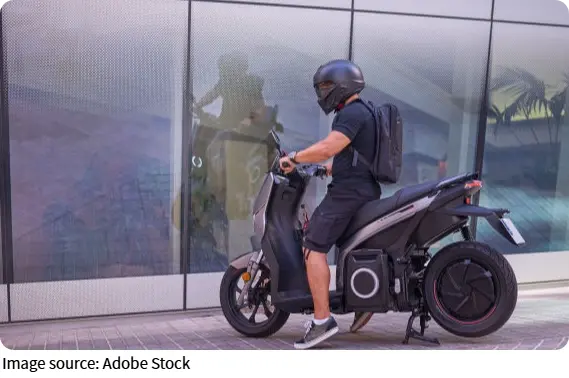
When I first walked past a showroom of electric motorcycles, I noticed how different they looked compared to traditional gas-powered bikes. The absence of a bulky engine and exhaust system immediately drew my attention.
It was a moment that made me wonder: how are electric drivetrains changing the very design of motorcycles, beyond just swapping fuel for electricity?
Redefining Weight and Balance
1. Lightweight Frames
Without the constraints of a combustion engine, designers can rethink the frame entirely. Many electric motorcycles now feature minimalist, yet incredibly strong, chassis made from aluminum alloys or carbon composites. This reduces overall weight, improving handling, maneuverability, and the rider's sense of control.
2. Optimized Center of Gravity
Battery packs, which serve as the primary power source, can be strategically placed low in the frame. This lowers the motorcycle's center of gravity, enhancing stability in turns and reducing rider fatigue over long journeys. The flexibility in positioning components also opens new possibilities for ergonomic design.
3. Balanced Aesthetics
The absence of traditional engine components allows for cleaner, more symmetrical lines. Designers can focus on seamless integration of functional elements like suspension, battery enclosures, and electric motors, resulting in a bike that is visually striking as well as functional.
Innovative Form Factors
1. Compact Motor Placement
Electric motors are smaller than traditional engines but can deliver comparable or superior torque. This compactness allows designers to experiment with unconventional forms, such as hub-mounted motors in wheels, freeing up space and giving the bike a futuristic look.
2. Integrated Technology
The extra space on the frame allows for integrated displays, GPS units, and connectivity modules without disrupting the sleek profile. Designers are now blending tech seamlessly into the motorcycle, creating an interface that feels both intuitive and visually cohesive.
3. Aerodynamic Advantages
Electric motorcycles benefit from reduced heat production and vibration compared to gas bikes. Designers can therefore employ streamlined shapes that minimize air resistance, enhancing efficiency and range. This has resulted in futuristic silhouettes that look fast even when stationary.
Customization and Modular Design
1. Swappable Batteries
Many new electric motorcycles feature modular battery designs, allowing riders to swap packs for extended trips or upgrades. This requires creative frame design that accommodates quick removal and insertion without compromising the bike's structure or appearance.
2. Adaptive Components
Motorcycles can now feature modular components such as adjustable footpegs, handlebars, and seat positions. The simpler electric drivetrain frees up space for these innovations, giving riders a personalized experience.
3. Future-Proofing
As technology evolves, modular design allows motorcycles to incorporate new batteries, motors, or connectivity features without needing an entirely new frame. Designers can plan for longevity, sustainability, and performance upgrades.
Seeing these designs in action, it's clear that electric motorcycles are not just about going green—they're redefining what a motorcycle can be. The shift from combustion to electric power has liberated designers, allowing bikes to become lighter, sleeker, and smarter. Riding one isn't just a commute; it's a glimpse into the future of transportation. Next time you see an electric motorcycle gliding silently down the street, notice the elegance in its simplicity and the engineering that makes it possible. It's a design revolution on two wheels.