Ideal Family Car

Nolan O'Connor
| 05-03-2026
 · Automobile team
Watching a busy morning unfold in a suburban driveway, it's easy to notice the subtle differences between family cars.
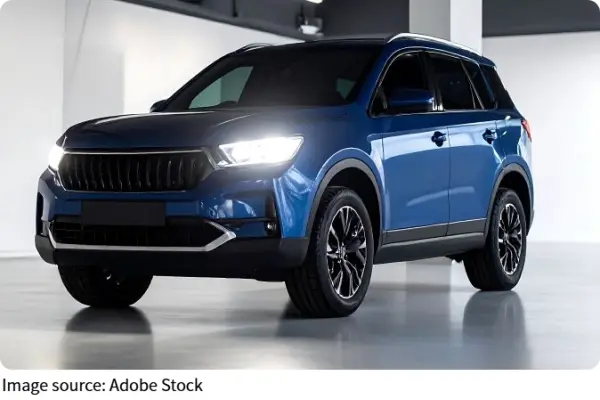
One minivan is packed with schoolbags, lunchboxes, and sports gear. Another SUV, sleek and modern, is carefully loaded with car seats and grocery bags.
Each vehicle tells a story about the family inside, and choosing the right car involves more than aesthetics or brand prestige. Parents weigh safety features, cabin space, and fuel efficiency, trying to find a balance that meets daily needs without compromising comfort or security.
Safety: Protecting What Matters Most
1. Crash Test Ratings
Safety begins with proven performance in standardized crash tests. Organizations such as the National Highway Traffic Safety Administration (NHTSA) and the Insurance Institute for Highway Safety (IIHS) provide ratings based on frontal, side, and rollover crash performance. Selecting a vehicle with high ratings in all categories ensures a foundational level of protection.
NHTSA says: “NHTSA's 5-Star Safety Ratings help consumers make smart decisions about safety when purchasing a vehicle.”
2. Active Safety Systems
Modern family vehicles are equipped with technology designed to prevent accidents before they occur. Features like adaptive cruise control, lane-keeping assistance, automatic emergency braking, and blind-spot monitoring help drivers avoid collisions, particularly during busy commutes or highway trips. While not a substitute for attentive driving, these systems provide an extra layer of defense.
3. Child Safety Considerations
For families with young children, proper installation of car seats and booster seats is critical. Look for vehicles with LATCH systems, clearly marked anchor points, and rear doors that open wide for easy access. Some vehicles include rear-seat reminder or rear-occupant alert features that encourage drivers to check the back seat.
Space: Comfort for All Passengers
1. Cabin Layout
The number of passengers dictates cabin configuration. Three-row SUVs and minivans offer versatility for larger families or carpooling needs. Adjustable second-row seats that slide and recline, along with fold-flat third rows, provide flexibility for both people and cargo. Evaluating legroom, headroom, and ease of entry is essential for daily comfort.
2. Storage and Cargo Capacity
Family life involves frequent trips with groceries, sports equipment, or strollers. Vehicles with deep trunks, underfloor storage, or modular cargo solutions allow for organized packing. Sliding or power liftgates enhance convenience, particularly when hands are full, while roof rails offer options for larger items like bikes or kayaks.
3. Interior Amenities
Long drives are more enjoyable when passengers are comfortable and entertained. Rear climate controls, USB charging ports, and infotainment screens improve the journey for children and adults alike. Even small touches, like cupholder placement or seat material that's easy to clean, add to daily usability.
Fuel Efficiency: Keeping Running Costs Manageable
1. Engine Options
Family vehicles now offer a range of engines, from conventional gasoline to hybrid or plug-in hybrid models. Smaller, turbocharged engines balance power and efficiency, while hybrid systems reduce fuel consumption for city driving. Choosing the right engine depends on driving patterns: frequent short trips benefit from hybrids, while long highway commutes may favor conventional engines with strong fuel economy.
2. Transmission and Drivetrain
Automatic transmissions are standard in most family vehicles, providing smooth operation during stop-and-go traffic. All-wheel drive adds traction for safety in wet or snowy conditions, though it can slightly reduce fuel efficiency. Evaluating the trade-offs between drivetrain benefits and running costs is crucial.
3. Real-World Fuel Considerations
Official fuel economy ratings provide a benchmark, but actual performance depends on load, driving style, and terrain. Families carrying multiple passengers and luggage should consider how efficiency changes under typical conditions. Modern vehicles with regenerative braking or engine start-stop systems can improve overall fuel usage, reducing the financial burden of daily commutes.
Making the Decision
Balancing safety, space, and fuel efficiency is rarely straightforward. A larger SUV may offer exceptional comfort and cargo capacity but come at the cost of higher fuel consumption. Conversely, a compact hybrid may excel in efficiency but compromise seating flexibility. Families must consider both short-term convenience and long-term practicality, often prioritizing features that improve safety and daily usability over luxury or styling alone.
Visiting dealerships, taking test drives, and evaluating real-world usability can reveal insights not captured in brochures. Observing how children fit in the back seat, how easily groceries load into the trunk, or how the car feels on your typical commute informs a practical decision. Feedback from other families can also provide perspective, highlighting common benefits or drawbacks of specific models.
Choosing a family car is more than a purchase; it's an investment in peace of mind and daily comfort. When a vehicle accommodates the family safely, efficiently, and comfortably, it transforms ordinary routines into manageable, even enjoyable experiences. Selecting wisely ensures that morning drop-offs, weekend road trips, and grocery runs all occur with confidence and ease, allowing families to focus on what truly matters inside the car—the shared moments of life.