The Art of Car Design

Mukesh Kumar
| 01-03-2026
 · Automobile team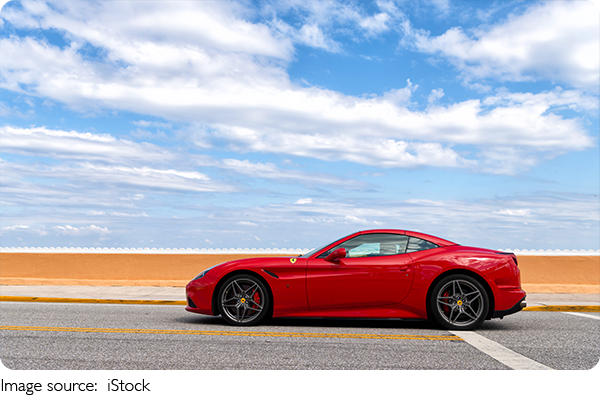
You might have noticed it while waiting at a traffic light: a sleek sedan gliding past or an SUV with bold lines and distinctive curves.
Something about these vehicles draws the eye—not just their size or color, but the way every surface seems purposeful, every detail deliberate.
That is the magic of automotive design: the marriage of art, engineering, and human experience that transforms metal and plastic into something both functional and emotionally resonant.
Understanding Automotive Design
1. The role of aesthetics
At its core, automotive design begins with visual appeal. Designers use proportion, line, texture, and color to create a sense of motion and character even when the car is stationary. For example, the flowing silhouette of a sports car communicates speed and agility, while a boxier SUV exudes strength and reliability. Designers also consider brand identity, ensuring that a vehicle reflects the philosophy and values of its manufacturer.
2. Functional engineering integration
A car's beauty is inseparable from its mechanics. Designers collaborate closely with engineers to ensure that curves, spoilers, and vents are not purely decorative—they improve aerodynamics, fuel efficiency, and performance. For instance, the placement of air intakes and diffusers can reduce drag by up to 10%, while ergonomic interior layouts enhance driver comfort and safety. This synergy between form and function is what distinguishes true automotive design from mere styling.
3. User experience and interaction
Modern automotive design increasingly emphasizes how humans interact with vehicles. Touchscreen interfaces, seating ergonomics, and visibility all shape the driving experience. Designers conduct extensive testing to optimize cockpit layouts, ensuring that controls are intuitive and that drivers maintain comfort over long journeys. Even subtle choices, such as the angle of a rearview mirror or the curvature of a dashboard, influence perception and satisfaction.
Stages of the Design Process
1. Concept development
The process begins with sketches, digital models, and mood boards. Designers explore different shapes, textures, and proportions, balancing creativity with practicality. Concept cars often push boundaries, experimenting with radical ideas that may influence future production models.
2. Digital modeling and prototyping
Once a concept gains approval, it is translated into 3D digital models. Computer-aided design (CAD) software allows precise control over every curve and dimension. Physical prototypes are then created using clay or 3D printing, providing tangible feedback on form, ergonomics, and spatial relationships.
3. Refinement and testing
The final stage involves rigorous testing, including wind tunnel evaluations, safety assessments, and road trials. Adjustments are made to ensure performance, durability, and user comfort. Designers refine materials, finishes, and lighting to achieve the desired visual and tactile effect. Only after these iterations does a vehicle move into production.
Trends Shaping Modern Car Design
Sustainability
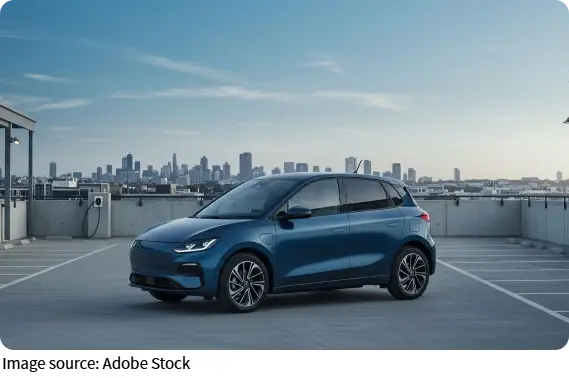
Eco-conscious materials and energy-efficient designs are transforming the industry. Lightweight composites, recycled plastics, and vegan interior options reduce environmental impact without compromising aesthetics. Designers are also adapting exterior forms to optimize aerodynamics, lowering energy consumption for electric vehicles.
Technological integration
Smart sensors, autonomous driving systems, and AI-assisted interfaces are influencing how cars are designed. Vehicle exteriors now accommodate radar and lidar units, while interiors prioritize displays, connectivity, and customizable dashboards. Designers must blend technology seamlessly with traditional aesthetics to maintain appeal.
Personalization
Consumers increasingly desire vehicles that reflect individuality. Modular interiors, customizable trims, and exterior color options allow drivers to create a car that aligns with their personality. Automotive designers now consider flexibility and personalization as essential elements, balancing standardization with creative freedom.
Automotive design is more than shaping metal and plastic—it is about crafting experiences. The next time a car catches your eye, notice not only its curves or headlights, but the careful orchestration of engineering, ergonomics, and emotion behind every line. Each vehicle tells a story, and behind it stands a team translating imagination into reality, reminding us that design drives not just motion, but connection.