Gas vs Electric

Caroll Alvarado
| 11-02-2026
 · Automobile team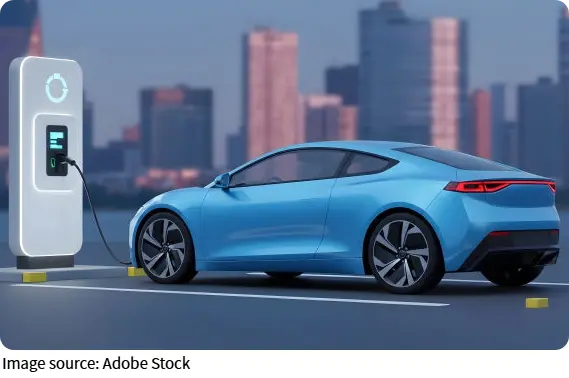
Walking through a car lot today, you might notice two types of vehicles catching your eye: traditional gasoline cars and sleek new electric models. Each has its fans and distinct advantages.
Choosing between them isn't just about fuel—it's about cost, convenience, performance, and lifestyle. Let's break down the comparison in a way that's practical and relatable.
Fuel and energy efficiency
The type of energy a car uses dramatically affects your monthly running costs.
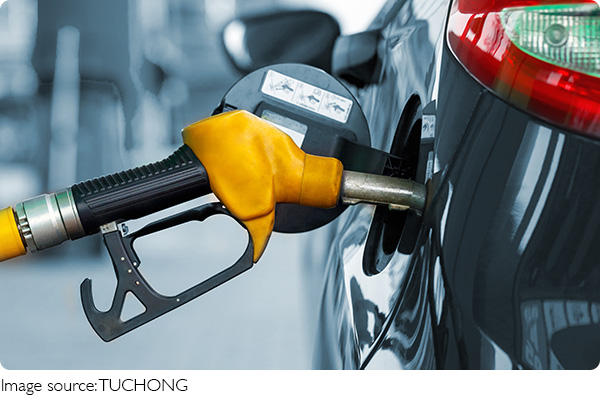
- Gasoline cars: They rely on fuel stations and offer quick refueling in a few minutes. For example, a compact sedan averaging 30 miles per gallon allows long drives without worrying about charging.
- Electric cars: They run on battery power, which can be charged at home or at public stations. A fully charged battery can often cover 200–300 miles, depending on the model. Plugging in overnight makes daily commuting simple.
- Cost comparison: While electricity is generally cheaper per mile than gasoline, initial EV purchase prices can be higher. For example, a small EV might save $500 a year in energy costs compared to a gasoline car but cost $5,000 more upfront.
Understanding energy efficiency helps balance upfront cost against long-term savings.
Maintenance and reliability
Maintenance needs differ significantly between gasoline and electric cars.
- Gasoline cars: They require regular oil changes, exhaust checks, and engine maintenance. A V6 engine might need more frequent servicing than a smaller four-cylinder model.
- Electric cars: They have fewer moving parts, so maintenance is simpler. You avoid oil changes, timing belt replacements, and exhaust issues. Brake wear is also reduced due to regenerative braking systems.
- Real-world examples: A typical EV owner may only need tire rotations and battery checks every few years, while gasoline car owners might spend hundreds annually on oil and tune-ups.
Fewer mechanical components often mean fewer surprises and less downtime with EVs.
Driving experience
How a car feels on the road can influence your choice.
- Gasoline cars: They offer smooth, familiar performance. Drivers who enjoy shifting gears or hearing engine roar may prefer gasoline models for the tactile and auditory experience.
- Electric cars: They provide instant torque and near-silent acceleration. For example, many EVs can reach 60 mph in under six seconds without the engine noise, making city driving more relaxed.
- Handling and comfort: Modern EVs often feature low centers of gravity due to battery placement, improving stability in turns. Gasoline cars, however, often feel lighter and more agile in smaller models.
Trying both types on similar routes helps reveal which driving experience suits your preference.
Environmental impact
Many people consider how cars affect the environment.
- Gasoline cars: They emit CO2 and other pollutants, contributing to air quality concerns. Even highly efficient engines produce emissions that accumulate over time.
- Electric cars: EVs have zero tailpipe emissions, reducing local pollution. However, the source of electricity matters—renewable energy makes EVs greener.
- Practical action: If environmental impact is important, choosing an EV and charging during off-peak hours with clean energy sources can significantly reduce your carbon footprint.
Understanding the broader impact of your choice can guide a more responsible purchase.
Practical considerations
Daily convenience and lifestyle influence the best option for you.
- Range anxiety: Gasoline cars let you fill up in minutes and drive long distances, making them ideal for frequent road trips.
- Charging needs: Electric cars are perfect for city dwellers with predictable commutes and access to home charging. Installing a fast charger at home adds flexibility.
- Resale and incentives: EVs often come with tax credits, rebates, or perks in certain regions, improving cost-effectiveness. Gasoline cars may depreciate slower in markets where EV infrastructure is limited.
Balancing convenience, cost, and lifestyle ensures the car you choose works with your routine.
Choosing between a gasoline car and an electric vehicle comes down to priorities. Gasoline cars offer familiarity, long range, and quick refueling, while electric cars provide lower maintenance, smoother driving, and environmental benefits.
By considering fuel efficiency, maintenance, driving experience, environmental impact, and practical daily needs, you can select the car that fits your lifestyle and goals best.