Night Drive Tips

Caleb Ryan
| 03-02-2026
 · Automobile team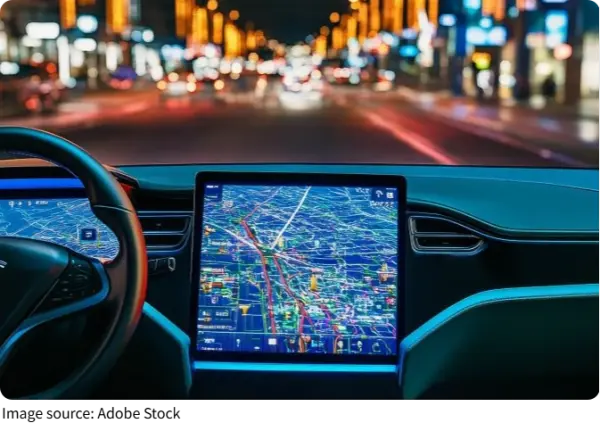
As night falls and the city lights flicker on, the urban scene transforms into a dazzling display of neon and motion.
Streets come alive with pedestrians, cyclists, and cars weaving through intersections, creating a vibrant nighttime atmosphere.
While this may look beautiful, night driving presents challenges that we can’t ignore. Reduced visibility, glare from oncoming lights, and the difficulty in judging distances make driving more stressful.
To enjoy a safe journey, we need to pay attention to every detail and adopt a few practical habits that make night driving less risky and more comfortable.
Controlling Speed and Distance
Managing speed is one of the simplest ways to stay safe at night. Slower driving gives us more time to react to sudden obstacles, like a pedestrian stepping off the curb or a car unexpectedly braking. A general guideline is to reduce our speed by 20–30% compared to daytime driving.
Increasing the distance between our car and the vehicle ahead is equally important. At night, we may not see hazards as early as during the day, so keeping a larger buffer zone allows us enough time to react. On city streets, lighting is often concentrated along the edges, leaving the road center dim. We must stay vigilant for people or cyclists crossing unexpectedly, especially from the left side, where shadows may hide them.
Smart Use of Lights
Lights are essential for both seeing and being seen. Using low beams is recommended when driving under 30 km/h, giving us clear visibility of around 30 meters. When driving faster than 30 km/h, switching to high beams can increase our view to about 100 meters, allowing us to spot potential hazards earlier.
Approaching intersections requires extra caution. We should start slowing down 50–100 meters before reaching a crossing. At this point, switching high beams back to low beams prevents dazzling other drivers and pedestrians. Using turn signals well in advance not only indicates our direction but also helps others anticipate our movement, reducing the risk of collisions.

Temporary Parking Tips
Sometimes, we may need to stop unexpectedly, whether due to traffic, emergencies, or checking directions. At night, it’s crucial to turn on parking lights and license plate lights to alert other drivers.
Overtaking at night should generally be avoided due to limited visibility. If overtaking is unavoidable, confirm that the road ahead is clear and safe. A quick honk can help signal the car in front to give way, but it should be used sparingly and courteously. Staying patient and cautious can prevent accidents caused by rushed decisions.
Practical Night Driving Habits
There are additional habits that make night driving easier and safer. Keeping the windshield clean reduces glare from streetlights and headlights, while adjusting side and rearview mirrors minimizes reflections. Checking headlights and tail lights before driving ensures that our vehicle is visible to others.
Scanning the road ahead consistently, using both central and peripheral vision, helps us detect unexpected movements early. Reflective signs, road markings, and even animals on the road become easier to notice when we maintain an alert, scanning routine.
Stay Calm and Focused
Night driving can be mentally exhausting. Long drives without breaks increase fatigue and reduce concentration. To stay sharp, take short breaks every 1–2 hours, stretch, and hydrate. Avoid distractions such as mobile phones or loud music, as these can reduce reaction speed.
Keeping the car interior dimly lit allows our eyes to remain adapted to the darkness outside. A calm, focused mindset ensures that we make quick, safe decisions when unexpected situations arise, allowing us to enjoy the night cityscape without stress.
Extra Safety Tips for Lykkers
We can add a few extra measures for peace of mind:
- Always keep a small flashlight or a phone flashlight handy in case of emergencies.
- Check tire pressure and brake lights before night trips, as these are harder to spot if malfunctioning.
- Avoid driving immediately after heavy meals or late at night when our alertness may drop.
- Familiarize ourselves with routes in advance to reduce the need for sudden stops or direction changes.
Drive Safe, Enjoy Night
Lykkers, night driving is both a challenge and a unique experience. By controlling speed, using lights wisely, maintaining safe distances, adopting practical habits, and staying focused, we can navigate urban roads safely and confidently. Night journeys can be smooth and enjoyable when we plan ahead and remain alert.
Let’s embrace these tips, making our nighttime trips safer, more comfortable, and stress-free. Safety begins with us, and preparation is the key to turning night driving into a confident adventure.