Smart Gear for Daily Rides

Caleb Ryan
| 22-01-2026
 · Automobile team
Most commuting rides are short. Ten minutes here. Twenty minutes there.
That's exactly why heavy, race-style gear often ends up hanging unused at home. It feels bulky. It takes too long to put on. And on warm mornings, it can feel like wearing winter clothing in summer.
However, skipping protection entirely isn't a real option. The solution isn't “more gear.” It's smarter, lighter gear—pieces that fit into your routine without slowing you down.
A good commuting setup should feel like part of your day, not a barrier to it.
Start With the “Always-On” Pieces
Your base layer should be items you never question wearing.
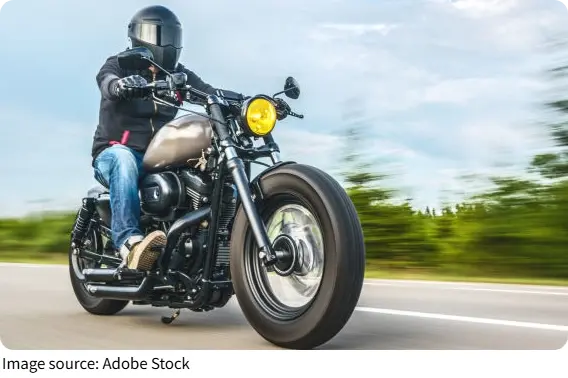
A lightweight helmet with good airflow
Slim gloves that still protect your palms
Shoes that support your ankles without looking bulky
These are the pieces you'll grab even when you're running late. They should feel natural, like putting on a watch before leaving home.
Action step: place these items in one fixed spot near your door. If you can reach them in three seconds, you'll never skip them.
This builds habit safety, faster starts, consistent protection.
Choose Breathable Upper Layers
A commuter jacket doesn't need to be thick. It needs to breathe.
Look for:
Mesh panels in high-heat zones
Thin padding at the shoulders and elbows
A cut that allows easy arm movement
The goal is airflow without feeling exposed. You should forget you're wearing it after five minutes.
Action step: test your jacket indoors. Sit, reach forward, twist. If it pulls or bunches, it won't feel good on the road.
You'll gain cool comfort, free movement, all-day wearability.
Keep Lower-Body Gear Simple
Many riders avoid leg protection because it looks awkward at work. Modern options solve that.
Riding jeans with built-in reinforcement
Thin knee sleeves worn under regular pants
Over-pants that slide on in seconds
You don't need all three—just one that matches your routine.
Action step: time yourself putting them on. If it takes more than 20 seconds, it's too complicated for daily use.
This offers low effort, clean appearance, everyday readiness.
Think in Layers, Not Bulk
Lightweight protection works best when layered.
Instead of one heavy piece, use:
A thin base shirt that manages sweat
A light jacket for structure
A compact outer shell for wind or rain
Each layer does one job. Together, they adapt to changing weather without adding weight.
Action step: pack a foldable outer shell in your bag. It weighs almost nothing and saves you on surprise weather days.
You get flexibility, year-round use, less fatigue.
Make Visibility Part of Protection
Protection isn't only about impact. Being seen matters just as much in daily traffic.
Add:
Reflective strips on gloves or jacket
A small reflective patch on your bag
Light-colored gear for early mornings
These don't change how you feel on the bike, but they change how others see you.
Action step: Stand 20 meters from your parked bike at dusk. If you can't spot yourself easily, add one reflective element.
This improves presence, awareness, confidence.
Build a “Grab-and-Go” System
The best gear is useless if it's inconvenient.
Create a system:
Helmet on a hook by the door
Gloves inside the helmet
Jacket hanging next to your bag
Everything lives together. No searching. No delay.
Action step: rehearse leaving once. From door to seat, aim for under one minute.
You'll experience smoother mornings, less friction, more consistency.
Upgrade One Piece at a Time
You don't need a full setup overnight.
Start with the item you skip most often. Replace it with a lighter version. Let that habit form. Then move to the next piece.
Over time, your entire system becomes something you enjoy using.
Action step: write down which item you avoid. That's your first upgrade target.
You build gradual improvement, personal fit, long-term comfort.
Daily riding isn't about looking like a racer. It's about arriving calm, steady, and ready for the day. Lightweight protection works because it respects real life. It moves when you move. It breathes when you stop. It fits into your routine instead of fighting it.
When your gear feels easy, you wear it. And when you wear it, every ride becomes a little more relaxed—and a lot more sustainable.