Humans & AI

Arvind Singh
| 15-01-2026
 · Automobile team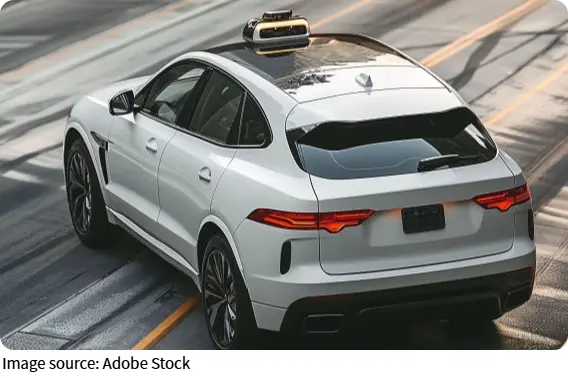
We're at a fascinating point in automotive history. Self-driving cars are no longer just a concept—they're a reality.
What happens when these intelligent machines share the road with human drivers?
The idea of collaboration between autonomous vehicles and traditional cars isn't just about technology; it's about building a partnership that ensures safety and efficiency. Let's explore how this collaboration is being made possible and how it could reshape our daily commutes.
Why the Need for Collaboration?
At the heart of this question is safety and practicality. While self-driving cars are impressive, they're still evolving, and human drivers bring a level of adaptability that AI can't quite match—yet. So, how do we make sure these two worlds don't collide?
1. Traffic Flow and AI Integration
For autonomous vehicles (AVs) to operate alongside human-driven cars, both must be able to predict and react to each other's movements. This means AVs need to communicate in real time with other vehicles on the road, both autonomous and human-controlled.
Some systems already use vehicle-to-vehicle (V2V) communication to predict actions like braking or lane changes. Think of it like a dance, where each partner has to stay in sync, even when one of them might miss a step.
2. Human Drivers Adapting to New Rules
The introduction of AVs also means that human drivers need to adjust to a new set of unwritten rules. For example, drivers must become familiar with how autonomous cars respond in certain situations. In some instances, human drivers may need to take the lead, such as during unpredictable weather conditions, while AVs can take over in less demanding scenarios. The key is mutual understanding and constant adjustment.
Real-Life Applications and Successes
In practice, there have already been successful tests of human-AI collaboration. One notable example is the Volvo XC90, which integrates autonomous driving features with the option for human control. This combination allows drivers to trust the technology without losing the sense of control when necessary.
3. Adaptive Traffic Systems
Cities are adapting to this future by creating smarter traffic systems. By using data from both AVs and human-driven cars, traffic lights and road signals can adjust in real-time to improve traffic flow. In some cities, systems are already in place where AVs communicate with traffic lights to reduce waiting times and congestion. This is a great example of how human and machine collaboration can lead to less time spent stuck in traffic.
4. Fleet Operations
Autonomous vehicles are also being deployed in fleet operations, such as shuttles or delivery trucks, where they can work alongside human-driven vehicles. For instance, it has been working on integrating its autonomous taxis with human drivers in a way that benefits both groups. Human drivers can take over in complex or emergency situations, ensuring a smoother transition between the two forms of driving.
The Road Ahead: Challenges and Opportunities
Despite the progress, a seamless transition between human and AI-driven vehicles is still a work in progress. There are a few challenges that need to be addressed:
5. Public Trust in Autonomous Vehicles
The trust issue is significant. Many people are still skeptical about the safety of self-driving cars. Ensuring that autonomous vehicles can handle a variety of unpredictable road scenarios is essential for gaining widespread acceptance. This means testing AVs in a variety of environments and conditions, from busy urban streets to rural roads.
6. Ethical and Legal Considerations
As AVs make decisions based on algorithms, questions around ethics and legality also arise. For instance, how should an autonomous vehicle react in an emergency? These are complex questions that require input from lawmakers, ethicists, and the public to shape the future of autonomous driving.
Working Together for a Safer Future
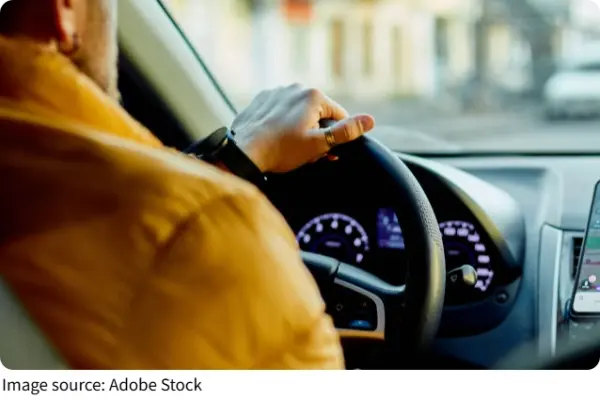
Ultimately, the future of driving is a blend of human intuition and machine precision. As self-driving technology continues to evolve, human drivers will still play an essential role in guiding these machines, ensuring a safe, efficient, and collaborative road environment.
The success of this partnership depends on adaptability, trust, and constant communication between human and machine. By embracing this collaboration, we can build a future where road safety is enhanced, traffic is streamlined, and driving is made more enjoyable for everyone.