Motorcycles and pedestrian

Camille Dubois
| 15-01-2026
 · Automobile team
Have you ever found yourself stuck in traffic, inching along while pedestrians breeze by?
That might be because cities are built around one dominant form of transportation: Cars. But there's an evolving trend that's challenging this norm: motorcycles.
They offer a flexible, space-saving solution, especially in cities prioritizing pedestrian zones. Here's how motorcycles and walkable urban spaces can actually complement each other for a more efficient, connected city.
Space Efficiency for Urban Areas
Urban space is precious, especially in pedestrian-heavy zones. Motorcycles take up significantly less space than cars, which means more room for sidewalks, bike lanes, or greenery. For example, in places like Copenhagen, which has embraced both walking and cycling, motorcycles have found their place in the traffic ecosystem without clogging up the streets. Instead of cars using up valuable curbside real estate, motorcycles can park in tighter spaces, leaving more open area for foot traffic and cycling lanes.
Tip: In cities where space is at a premium, advocating for designated motorcycle parking areas near pedestrian zones helps avoid congestion while maintaining pedestrian accessibility.
Decreasing Traffic Congestion
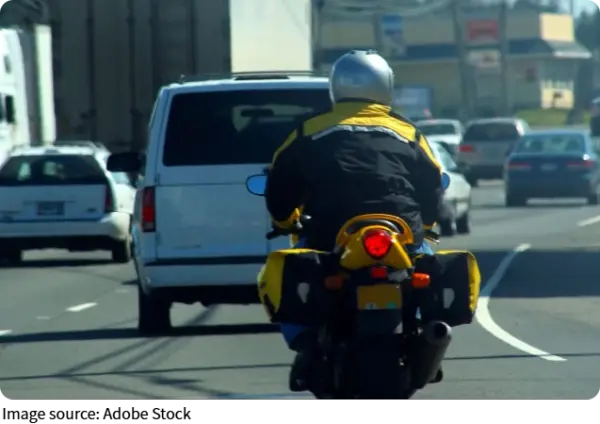
Motorcycles are far more nimble than cars. They can weave through traffic, bypassing long queues that tend to form in busy pedestrian areas. This ability makes them an ideal solution for reducing overall congestion. In cities like Tokyo, motorcycles help ease the pressure on roads during rush hours, ensuring that pedestrians have a smoother, less crowded walk.
Example: In Milan, motorcyclists are allowed to use bus lanes during high-traffic times, giving them an efficient route while keeping the roads free for walkers and cyclists. This improves traffic flow for everyone, whether they're on foot or on wheels.
Integrating into Smart City Plans
Many cities are looking to the future with smart city planning, integrating technology to improve mobility. Motorcycles can be a crucial part of these plans. Their smaller size makes them perfect for “last-mile” connectivity, bridging the gap between public transportation hubs and pedestrian-friendly areas.
For instance, in Barcelona, a city known for its pedestrian zones, motorcycles are included in shared mobility programs, making it easier for people to quickly transition from metro stations to pedestrian-friendly destinations without needing to take a car.
Actionable Advice: If you're in a city considering a shift towards smart transportation, push for policies that integrate motorcycles into the public transport network—whether through shared services or as an alternative to car rentals.
Enhancing Pedestrian Safety
It's a common misconception that motorcycles increase danger for pedestrians, but in many cases, they actually help improve safety. Motorcycles' smaller footprint allows them to navigate through urban spaces with minimal disturbance, allowing pedestrian areas to function more smoothly.
When motorcycles share the road with cars, they reduce the chances of dangerous interactions between cars and pedestrians by occupying more flexible, designated spaces.
Tip: Encouraging motorcycle-friendly infrastructure, such as dedicated lanes, can help keep riders safe while also making it easier for pedestrians to navigate.
Motorcycles might seem like an unlikely partner for pedestrian zones, but the two can work together to create more efficient, livable cities. The key is integrating them into the broader urban design, taking advantage of their compact size and flexibility. The next time you see a motorcycle weaving through traffic, remember: it might just be helping make the city more walkable for everyone.