Why Riders Never Quit

Caroll Alvarado
| 14-01-2026
 · Automobile team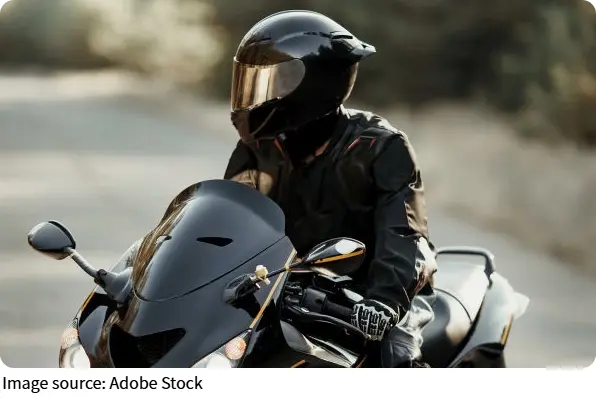
I once asked a rider why he rode to work even when the forecast looked unreliable. He shrugged, tapped his helmet, and said, "Because my head feels clearer when I arrive."
That answer stuck with me. Motorcycle enthusiasts aren't a single type of person, and they're not driven by one reason.
What connects them is a mindset shaped by attention, routine, and a deep respect for the machine beneath them.
To understand motorcycle enthusiasts, you have to look past the image and into the habits that keep them riding year after year.
What draws people into motorcycling
Most riders don't wake up one day and decide to become enthusiasts. The pull is gradual and practical.
One common entry point is commuting. Riders discover that navigating traffic on two wheels requires planning and anticipation. Over time, this mental engagement becomes rewarding. You're not just traveling; you're actively participating in every meter of the journey.
Another factor is the mechanical connection. Unlike cars, motorcycles expose their function. Riders feel engine feedback through the frame, notice changes in throttle response, and hear subtle differences in sound. This feedback loop teaches cause and effect in a way few other activities do.
A third draw is time efficiency. Riders learn to prepare quickly, pack light, and plan routes carefully. These small efficiencies spill into daily life, shaping how enthusiasts manage time beyond riding.
Together, these experiences turn riding from transportation into a practiced skill.
How enthusiasts choose and set up their bikes
Motorcycle enthusiasts are deliberate about their machines. The choices they make reflect how they ride, not trends.
Fit before appearance
Seat height, handlebar reach, and footpeg position matter more than style. Riders often test multiple setups to reduce fatigue and improve control over long rides.
Purpose-driven modifications
Adjustments like wind deflectors, suspension tuning, or different tires are chosen to solve specific problems. Comfort, stability, and predictability come first.
Maintenance as routine
Chain tension, tire pressure, and brake feel are checked regularly. Enthusiasts know that consistency in maintenance leads to consistency on the road.
These decisions show that enthusiasm isn't about owning a bike—it's about understanding it.
The learning curve riders respect
Experienced riders rarely brag. Instead, they talk about what they're still working on.
One area of focus is slow-speed control. Tight turns and balance drills improve confidence far more than high-speed riding. Many enthusiasts practice these skills in empty parking areas to sharpen coordination.
Another learning focus is road reading. Riders train themselves to spot surface changes, drainage patterns, and subtle camber shifts. This awareness helps them adjust smoothly rather than react late.
Weather adaptation is also part of the curve. Riding in cooler or warmer conditions teaches throttle finesse and braking restraint. Enthusiasts don't avoid these situations entirely—they learn how to handle them responsibly.
Progress comes from patience, not pushing limits blindly.
The quiet discipline of safety
Motorcycle enthusiasts think about safety constantly, but rarely talk about it in dramatic terms.
Protective gear as default
Helmets, gloves, and protective clothing are chosen for fit and function. Riders replace worn gear before it fails, not after.
Route planning habits
Enthusiasts choose routes with predictable traffic flow and good visibility. They adjust departure times to avoid unnecessary stress.
Skill refresh cycles
Many riders revisit training courses or practice drills each season. This keeps fundamentals sharp and habits intentional.
For enthusiasts, safety isn't fear-based. It's simply part of doing things well.
Community without noise
Despite stereotypes, motorcycle enthusiasm isn't always loud or showy. Much of it happens quietly.
Riders share route notes, maintenance tips, and riding techniques through casual conversations. Advice is practical and specific, based on experience rather than opinion.
Group rides, when they happen, are often structured. Clear signals, spacing rules, and pre-ride briefings keep things smooth. The goal is flow, not attention.
Online spaces also reflect this culture. Enthusiasts exchange setup details, trip planning insights, and long-term ownership lessons. The tone is problem-solving, not competition.
This shared respect for knowledge builds trust within the community.
What riding changes outside the bike
Motorcycle enthusiasm rarely stays confined to the road.
Riders tend to develop sharper focus. Managing multiple inputs at once improves attention in everyday tasks. Many say they listen better and react more calmly under pressure.
There's also a shift in risk awareness. Enthusiasts learn to separate calculated decisions from impulsive ones. That mindset often carries into work and personal life.
Finally, riding encourages reflection. Time spent focused and uninterrupted creates space to think. Many riders use their journeys to process ideas or reset after demanding days.
These changes explain why people keep riding long after the novelty fades.
Motorcycle enthusiasts aren't chasing an image or an adrenaline spike. They're refining a practice that rewards care, awareness, and humility. If you ever talk with one, listen closely. Beneath stories about roads and machines, you'll hear something more lasting: a respect for learning, and a quiet satisfaction that comes from doing one thing well, again and again.