Everyday Cars Explained

Matteo
| 03-11-2026
 · Automobile team
Cars are an essential part of everyday transportation, serving different purposes such as commuting, family travel, shopping, and long-distance journeys.
From compact hatchbacks and sedans to SUVs, hybrids, and electric vehicles, each category is designed around particular driving requirements.
Interior comfort, energy efficiency, safety technology, and maintenance all influence how well a vehicle meets its owner's needs. Understanding these features makes it easier to appreciate what contributes to a practical and enjoyable everyday driving experience.
Comfort and Practical Design
Comfort plays an important role in choosing a car, particularly for drivers who spend considerable time on the road. Seating support, legroom, visibility, climate control, and cabin layout all influence how comfortable a vehicle feels during different journeys.
Compact cars are well suited to urban environments, where convenient dimensions make parking and maneuvering easier. Sedans provide a balanced combination of passenger space and luggage capacity, while SUVs offer higher seating positions and flexible interiors that can accommodate families and additional belongings.
Interior features also contribute to convenience. Adjustable seats, accessible storage, smartphone connectivity, and well-positioned controls help create a more practical environment for everyday use.
Fuel and Energy Efficiency
Energy consumption is an important consideration for regular driving. Engine technology, transmission design, vehicle weight, tire specifications, and driving habits all influence how efficiently a car operates.
Smooth acceleration, steady driving speeds, appropriate tire pressure, and regular servicing can help improve efficiency. Choosing a vehicle that matches typical journey distances and transportation requirements can also make ownership more practical.
Hybrid and electric vehicles provide additional options. Hybrids combine an internal combustion engine with an electric motor, while fully electric vehicles operate using battery-powered motors. Their suitability depends on factors such as driving patterns, charging availability, operating costs, and personal preferences.

Safety and Driver Assistance
Safety technology is an essential part of modern vehicle design. Features such as airbags, anti-lock braking systems, electronic stability control, rearview cameras, and parking sensors help support drivers in everyday traffic conditions.
Many newer vehicles also offer advanced driver-assistance systems. Depending on the model, these may include lane-keeping assistance, blind-spot monitoring, adaptive cruise control, and automatic emergency braking.
These technologies complement attentive driving rather than replace it. Maintaining clear visibility, checking mirrors, observing road conditions, and understanding the vehicle's safety systems remain important parts of responsible driving.
Maintenance and Vehicle Care
Regular maintenance helps preserve a car's performance, efficiency, and reliability. Following the manufacturer's service schedule allows essential components to receive appropriate attention at recommended intervals.
Tire pressure and tread condition deserve particular attention because they affect braking, steering, road contact, and energy consumption. Engine oil, coolant, filters, brakes, and battery condition should also be checked according to the vehicle's requirements.
Dashboard indicators provide useful information about the vehicle's operating condition. Responding to maintenance reminders and keeping service records can help owners manage routine care and plan future appointments.
Technology in Everyday Driving
Modern automotive technology combines convenience, information, and vehicle control. Digital instrument displays, navigation systems, touchscreen interfaces, and smartphone integration make essential functions more accessible during journeys.
Other available features include automatic climate control, keyless entry, parking assistance, and adaptive cruise control. Their availability varies between models and equipment levels.
Hybrid and electric vehicles introduce additional systems, including regenerative braking, energy-consumption displays, and selectable driving modes. These technologies help drivers monitor energy use and understand how their vehicles operate.
Choosing a Car That Fits Your Needs
Selecting an everyday vehicle requires considering how it will be used. Passenger capacity, luggage space, typical travel distances, parking arrangements, and ownership expenses all influence the decision.
A compact hatchback may be suitable for regular city commuting, while a sedan can offer a comfortable option for longer journeys. Families may prefer an SUV for its flexible interior, whereas hybrid and electric models can appeal to drivers whose travel routines suit their energy requirements.
Comparing safety equipment, servicing needs, warranty coverage, interior dimensions, and energy consumption provides a clearer picture of long-term suitability. A test drive is also valuable for assessing seating comfort, visibility, steering response, and ease of operation.
Making the Most of Everyday Driving
A satisfying driving experience depends on more than a vehicle's specifications. The right combination of comfortable seating, practical storage, accessible technology, efficient operation, and appropriate safety features can make regular journeys more convenient.
Owners can also improve their experience by understanding their vehicle's features, following recommended maintenance schedules, and selecting accessories that serve practical purposes. These everyday considerations help ensure that a car remains suitable for changing transportation needs.
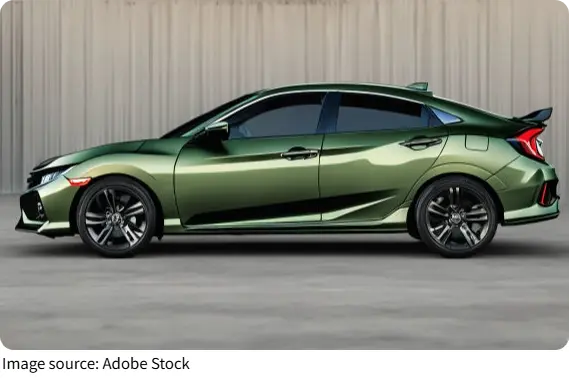
Designed for Everyday Journeys
Every category of car offers a different approach to daily transportation. Compact models emphasize convenience, sedans balance comfort and practicality, SUVs provide additional passenger space, and electric and hybrid vehicles offer alternative energy systems. The most suitable choice depends on individual requirements and driving habits. Ultimately, a well-designed everyday car brings together comfort, efficiency, safety, and dependable engineering to support a convenient driving experience.