SUV or Sedan: How to Choose

Sophie
| 03-11-2026
 · Automobile team
Walk into any dealership and the first question usually lands the same way: SUV or sedan?
Both have four wheels and a back seat, and both will get you to work on time. But they're built around different priorities, and those differences show up every single day you drive.
Where the height actually helps
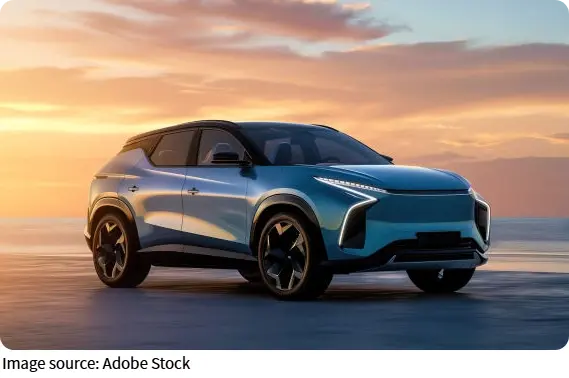
The most obvious gap is ride height. A typical sedan puts your hips around 25 to 30 inches off the ground. A compact SUV like a Toyota RAV4 sits closer to 33 or 34. Those extra few inches change how you see traffic ahead and how easy it is to slide a child into a car seat.
They also change the step in and out. Some people love climbing up into an SUV, while others find the lower sedan seat easier on their knees. Higher ground clearance helps on snowy or rough roads, though it does nothing for braking on ice. Sit in both before you decide.
The physics you feel in turns
Here's the part brochures skip. Tall vehicles carry more weight higher off the ground, so they lean more in corners. Drive a Honda Civic and a Honda CR-V back to back on the same on-ramp and you'll feel it: the sedan stays flat, the SUV rolls a little.
That's not a flaw, it's physics. If your commute is mostly highway and open road, you may never notice. If you take a lot of tight turns, you will.
Space that's shaped differently
Don't just compare trunk numbers, compare shapes. A sedan's trunk is a closed box, good for groceries and suitcases. An SUV's cargo area is taller and opens through a hatch, so a bike or a tall flat-pack box slides in upright.
A Honda Accord has about 16.7 cubic feet of trunk space. A RAV4 has roughly 37 behind the rear seats. Folding those seats widens the gap further, since a sedan's trunk opening limits what fits through. That's the kind of difference that decides whether you need a friend with a truck.
What it costs to run
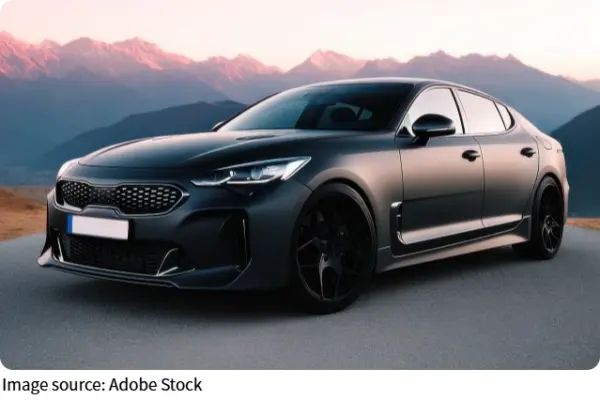
Weight and aerodynamics both work against you. A compact SUV often gets 2 to 4 mpg less than a sedan on the same platform. Tires cost more too, and all-wheel drive adds weight, a little drag on fuel, and one more system to service.
SUVs also usually cost more to buy than a comparable sedan from the same brand. Over five years, the difference can run into the low thousands, so it's worth pricing out before you fall for the bigger cabin.
Traction, towing and safety
All-wheel drive is not only an SUV feature. Some sedans, such as the Subaru Impreza, come with it as standard, so snowy winters alone don't require a taller car. Towing is different: SUVs are generally rated to pull more, which matters if you have a small boat or camping trailer.
Size plays a part in crash protection as well. The Insurance Institute for Highway Safety notes that larger, heavier vehicles generally protect their occupants better than smaller, lighter ones, but the crash-test ratings of the specific model still matter most.
Match the car to the week
Think about your actual week, not the one you'd like to have. If you park in a tight city garage, a sedan like a Mazda 3 is easier to place and easier to see out of when reversing. If you haul kids, dogs, or lumber, the SUV's hatch and height do real work.
Test drive both on the same route, at the same time of day, and check the back seat with your own child seat or your own dog. That test tells you more than any spec sheet.
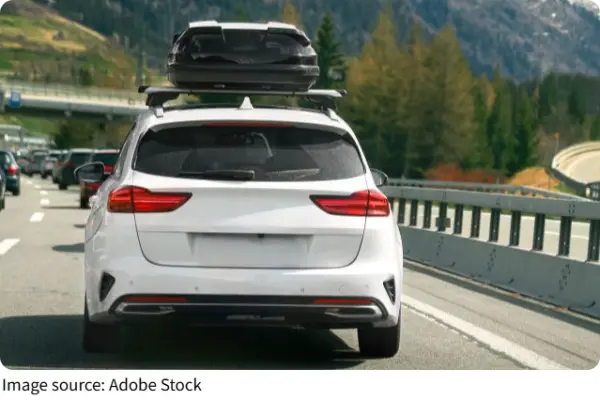
The short version: pick the sedan if fuel bills and cornering matter most, and the SUV if cargo space and easy access matter most. Neither is the smarter choice in general, only the smarter choice for your week.