Downhill Gearing Done Right

Darius
| 03-11-2026
 · Automobile team
Most drivers treat a long downhill grade the way they treat a flat highway: leave it in top gear and tap the brakes whenever the speed creeps up.
That works for a mile. On a real mountain pass, it's how you cook your brake pads by the halfway point. The fix isn't fancy driving, it's using the gearbox the way it was meant to be used on a descent.
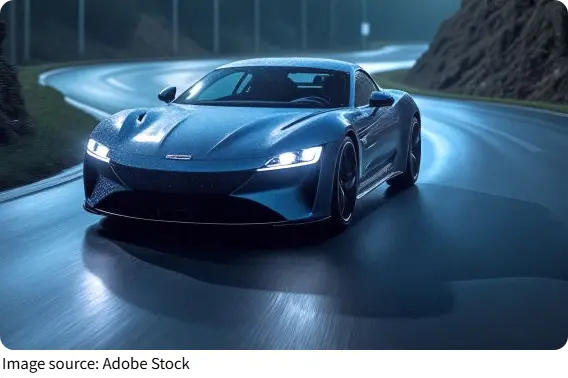
Why engine braking takes the load
When you drop to a lower gear, the engine's compression resists the wheels turning, so the car slows without you touching the pedal. That resistance is steady, and it doesn't overheat the way friction brakes do.
On a grade like the descent from Pikes Peak, a car left in a tall gear will ride the brakes almost constantly, while one shifted down a gear or two holds a steady speed with the pedal barely touched.
Brakes overheat on that road often enough that the Pikes Peak Highway runs a brake check for cars on the way down. Shifting down spreads the work between two systems instead of dumping all of it on one.
Pick a gear before the corner
The rule experienced drivers follow is simple: choose your gear before you enter a curve, not in the middle of it. If you're approaching a tight switchback with a posted limit of 25 mph, shift down early enough that the car is already at that speed when you turn the wheel.
On a descent the car keeps gaining speed through the bend, so a gear chosen early holds it in check. Shifting mid-corner upsets the car's balance and forces you to brake and steer at once, which is exactly when grip runs short. Shift first, then steer.
Match the gear to the grade
There's no single correct gear: it depends on how steep the road is and how heavy your car is. A gentle descent might only call for fourth instead of fifth. A steep, sustained drop can demand second or even first, especially with a full load of passengers.
A common rule of thumb is to use the same gear going down that you would need to climb the same hill. Then watch the speedometer: if it keeps climbing in a lower gear, go one lower. If the engine is screaming at 5,000 rpm and you're crawling, you've gone too far down.
Automatics need a nudge too
Many automatic transmissions won't downshift far enough on a hill unless you tell them to. Most have a manual mode, paddles or a low range marked L, 2, or 3 on the selector, so use it. Engine braking works the same way in an automatic as in a manual, as long as the transmission is held in a lower gear.
On a long descent in a car with a CVT (continuously variable transmission) or a standard automatic, dropping into a low gear lets the transmission hold a ratio instead of shifting up for fuel economy. That one habit saves a lot of wear on pads and rotors.
When to actually touch the brakes
You still need the brakes, just sparingly. Short, firm applications that shed a few mph and then release are far kinder to the system than a long, light drag that keeps the pads hot for minutes on end.
If you smell hot metal or feel the pedal go soft, pull over somewhere safe and let everything cool. A soft pedal often means the brake fluid is boiling, a sign you've already asked too much of the system.

Before a mountain drive, check your owner's manual for where the low range or manual mode sits, so you aren't searching for it at the first bend. Then drop a gear before the descent starts and let the engine hold your speed. You'll feel the difference in the first mile.