Night Driving Without Glare

Celia
| 03-11-2026
 · Automobile team
Most drivers settle in at night, lock their eyes on the road ahead, and assume that's the safest thing to do.
It isn't. Staring straight at the traffic ahead actually works against you after dark, and the reason comes down to how your eyes handle bright light against a dark background.
A few simple habits make a clear difference: where you point your eyes, how you use your beams, and how you look after the glass and screens around you.
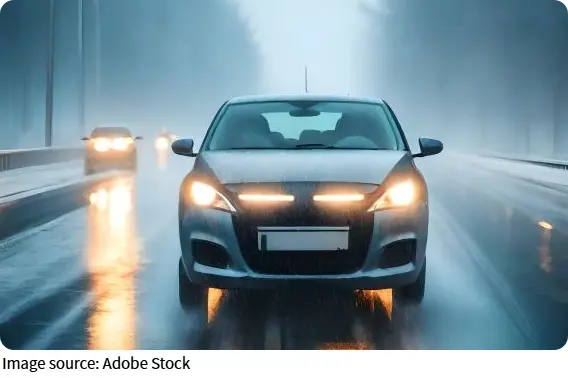
Why headlights blind you
When an oncoming car's headlights hit your eyes, your pupils shrink to cut the glare. Afterward, your eyes need time to readjust to the dark. On a two-lane road with steady traffic, that readjustment never finishes, and your night vision never fully recovers. So instead of fighting the light, work around it.
Look to the edge, not the source
The fix is simple: aim your gaze at the right edge of your lane, not at the oncoming headlights. Your peripheral vision still tracks the road, but you avoid the direct hit. Where there is a painted fog line, follow it. It gives you a steady reference point that doesn't move or flare.
Use the low beams properly
Dipping your high beams for oncoming traffic is the obvious move, but plenty of drivers leave them on too long or flip them back too early. The rule most driving schools teach is to dim them when the other car is about 500 feet away, and to flip back only after it passes.
Also, keep your own headlights aimed correctly, since a misaligned beam throws glare straight into other drivers' eyes.
Watch the shadows, not the light
Here's the part that surprises people: your eyes are better at spotting movement in dim light than detail. That's why a deer crossing at the edge of your beam is easier to catch as a moving shape than as a fully lit object.
Scan the road edges and the gaps between headlight pools, not just the bright center. Pedestrians in dark clothing near a crosswalk show up as motion long before you see a face.
Keep the glass clean
A dirty windshield turns every oncoming headlight into a smear of glare. Even a thin film of road grime scatters light across the glass. Wipe the windshield inside and out with a microfiber cloth now and then, and keep your mirrors clean and properly adjusted.
Top off the washer fluid before a long night drive, too. It's a five-minute job that makes a real difference on a rainy highway.
Dim the dashboard
Glare doesn't only come from outside the car. A bright dashboard display or phone screen pulls your eyes off the road at the moment they need to stay adjusted to the dark. The New England College of Optometry advises against looking at bright screens while driving at night. If you need to check something, pull over safely first.
Most cars also let you turn down the brightness of the instrument panel, which is worth doing before you set off.
Rest your eyes on long drives
Long stretches of night driving strain the eyes. On longer trips, the college recommends taking regular breaks to rest them and blinking often to keep them moist.
It also suggests a yearly eye exam where you mention any trouble seeing at night. If you wear glasses, an anti-reflective coating can reduce glare from headlights and street lamps.
Yellow-tinted night driving glasses are a different story. The evidence for them is mixed, and they reduce the total amount of light reaching your eyes, so talk to an optometrist before relying on them.
Your eyes do more work at night than most drivers realize. Before your next drive after dark, wipe the glass, check that your headlights are aimed correctly, and plan a stop or two if the trip is long.