Compact SUV Boom

Ravish Kumar
| 03-11-2026
 · Automobile team
Compact SUVs are gaining prominence in the automotive market as drivers seek vehicles that combine practical interior space, comfortable driving positions, and adaptable performance for everyday journeys.
Positioned between traditional passenger cars and larger SUVs, this category offers a versatile option for commuting, family travel, shopping, and weekend outings.
Their growing appeal reflects changing expectations about vehicle design. Many buyers want a car that accommodates passengers and luggage without requiring the dimensions of a larger vehicle. Manufacturers are responding with a wider selection of designs, powertrains, and technology features, making compact SUVs an increasingly significant part of the modern automotive landscape.
Practical Space for Everyday Life
Interior flexibility is one of the defining advantages of compact SUVs. Many models offer generous headroom, accessible rear seating, and cargo areas designed to accommodate everyday belongings. Folding rear seats can create additional room for larger items, allowing the cabin to adapt to different travel requirements.
These features make compact SUVs suitable for a range of routines, from daily commuting to family outings. Buyers can compare seating capacity, rear-door access, storage space, and cargo dimensions to determine which layout best matches their needs.
Comfort in the City and Beyond
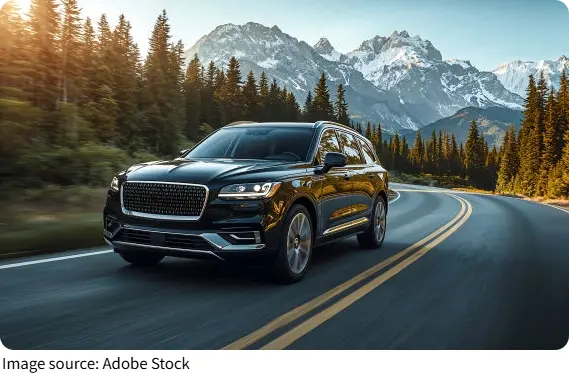
Compact SUVs aim to balance interior room with dimensions that remain practical for urban driving. Depending on the model, their size can make them suitable for residential streets, shopping areas, and longer highway journeys.
The elevated seating position is another appealing feature, giving many drivers a different perspective on the road. However, visibility, maneuverability, and parking convenience depend on the vehicle's design, including its mirrors, window layout, turning circle, and overall dimensions.
A test drive can help buyers assess seating comfort, steering response, cabin noise, and ease of parking before making a decision.
Technology Expands Driver Options
Modern compact SUVs increasingly incorporate digital displays, smartphone connectivity, parking cameras, and driver-assistance systems. Depending on the model and equipment level, features may include automatic emergency braking, lane-departure alerts, blind-spot monitoring, and adaptive cruise control.
These technologies can support awareness and help manage certain driving situations. Their capabilities vary, so buyers should review the available features and understand how each system operates.
Powertrain choices are also evolving. Conventional engines, hybrid systems, and fully electric models serve different driving needs. Hybrid vehicles can offer fuel savings under suitable conditions, while electric models provide driving without tailpipe emissions. Charging availability, driving range, purchase price, and typical journey length are important considerations when comparing options.
Market Demand Shapes the Segment
Compact SUVs occupy a substantial position in Europe's new-car market. Market figures published in September 2026 reported approximately 1.7 million registrations during the first seven months of the year, representing around 21% of new-car registrations in the covered market and a 12% increase compared with the same period in 2025.
This performance highlights continued interest in vehicles that combine adaptable interiors with SUV-style proportions. However, market preferences differ by region, and the popularity of individual models depends on pricing, available features, fuel costs, and local driving requirements.
Manufacturers are responding with updated designs, additional powertrain options, and a wider range of equipment packages. These developments give buyers more ways to compare vehicles according to their priorities.
Efficiency and Ownership Value
The overall value of a compact SUV depends on more than its purchase price. Fuel or electricity costs, insurance, scheduled maintenance, financing, and expected resale value can all influence the cost of ownership.
Hybrid models may suit drivers who frequently encounter congested traffic, while conventional engines can remain appropriate for other driving patterns. Electric models may offer particular advantages to households with convenient charging access and predictable daily journeys.
Comparing official efficiency figures and estimating annual expenses provides a clearer picture of long-term value. Buyers should also consider passenger comfort, storage requirements, safety equipment, and the conditions in which the vehicle will usually be driven.
What Comes Next for Compact SUVs?
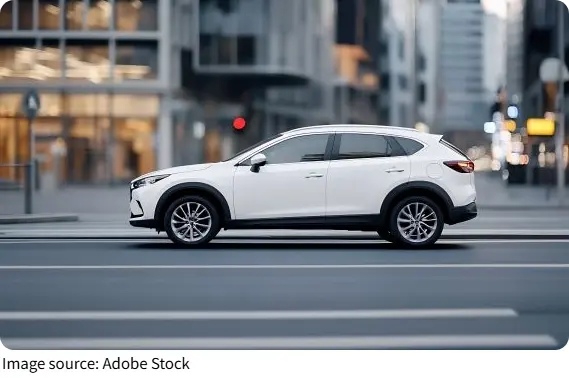
Compact SUVs are positioned to remain an important vehicle category as manufacturers refine their designs and expand their powertrain choices. Their appeal lies in bringing passenger space, practical storage, modern technology, and everyday usability together in a single format.
Future development will depend on how effectively manufacturers meet expectations for comfort, efficiency, safety, and affordability. For buyers, the most suitable choice will be the model that fits their regular journeys, available budget, and transportation needs.
The continued development of compact SUVs illustrates how vehicle design is adapting to changing lifestyles. By combining versatile interiors with evolving technology and a broader range of powertrains, the segment continues to offer drivers a practical choice for modern mobility.