SUV Cargo Space

Elise
| 30-10-2026
 · Automobile team
When choosing an SUV, a generous cargo-capacity figure may suggest plenty of room for furniture, luggage, and household purchases.
However, total volume does not guarantee that larger belongings will fit through the rear entrance or sit comfortably inside.
The shape and dimensions of the cargo area are just as important as its overall capacity. Understanding these details helps you identify a vehicle that accommodates your belongings and makes everyday transportation more convenient.
Rear Opening Dimensions
The rear entrance determines the size of the items you can load into an SUV. Even when the interior provides considerable storage space, a narrow or low opening can limit access.
Measure the narrowest width and lowest height of the rear opening. Consider the dimensions of furniture, boxes, and other large belongings you expect to transport. This helps establish whether they can enter comfortably.
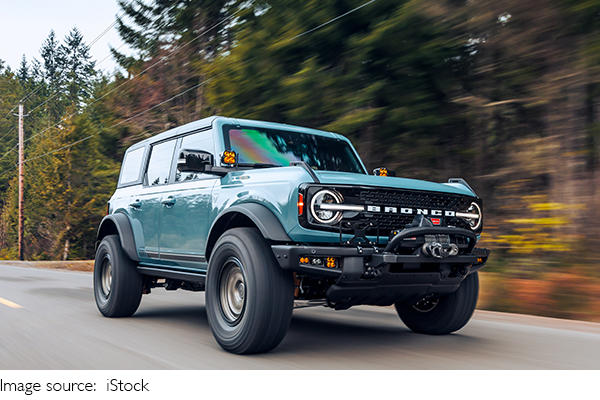
Roofline and Tailgate Design
The exterior shape of an SUV influences the available room near the rear entrance. A sloping roofline can reduce vertical clearance, while a more upright design generally provides additional height for taller belongings.
Check the clearance near the tailgate and throughout the cargo area. This is particularly useful when carrying tall boxes or other items that require sufficient overhead space.
Loading Height and Floor Design
The distance between the ground and the cargo floor affects how easily belongings can be loaded. A lower floor generally requires less lifting, making it convenient when transporting heavier household items.
Also examine the rear entrance sill and the transition between the loading area and the folded seats. A relatively level surface can make it easier to position and arrange larger belongings.
Width Between the Wheel Arches
The wheel arches occupy part of the lower cargo area and determine how much uninterrupted width remains available. This measurement is particularly important for wide furniture, rectangular boxes, and flat-packed purchases.
Measure the distance between the inner edges of the wheel arches rather than relying on the overall interior width. This provides a more useful indication of the space available for larger items.
What to Check Before Choosing
Before selecting an SUV, examine these essential measurements:
- Rear opening: Check its width and height to establish loading clearance.
- Cargo floor length: Determine whether longer belongings can fit.
- Interior width: Measure the space between the wheel arches.
- Cargo height: Check the available vertical clearance.
- Loading height: Consider how easily items can be lifted inside.
- Seat arrangement: Examine how the rear seats fold and whether they create a level loading surface.
If possible, bring the dimensions of an item you regularly transport and compare them with the actual cargo area during a showroom visit.

Choose an SUV That Fits Your Needs
A suitable SUV should provide more than an impressive cargo-capacity figure. Its rear opening, interior dimensions, loading height, and seat arrangement all contribute to everyday practicality.
Taking time to examine these measurements before purchasing helps you make a more informed decision. The best choice is a vehicle whose storage space accommodates your belongings comfortably and makes everyday loading and transportation convenient.