Sudden Braking Effects

Hiro
| 24-10-2026
 · Automobile team
Dear Lykkers, have you ever pressed the brake pedal suddenly because the vehicle ahead slowed down? Quick braking can help us respond to danger, but it also places extra pressure on several vehicle parts.
By understanding these effects, we can protect our cars, improve our driving habits, and make each journey safer.
How Tires Are Affected
Tires connect our vehicle to the road and provide the grip needed to slow down. During sudden braking, they experience a rapid change in force. If the wheels lock or slide, the rubber may wear unevenly, particularly in one area of the tread. Repeated hard stops can also create extra heat and stress.
Tire condition matters, too. Worn tread, incorrect air pressure, and wet roads can reduce grip and make stopping more difficult. We can lower these risks by checking tire pressure regularly, inspecting the tread, and replacing worn tires when needed.
Extra Wear on Braking Parts
The braking system uses friction to slow the wheels. When we press the pedal, brake pads press against rotating discs, producing heat. A sudden stop creates heat quickly and places greater stress on these parts than gradual braking.
Occasional emergency stops are part of normal driving, but repeated hard braking can speed up wear on the pads and discs. Excessive heat may also reduce braking performance. We should watch for warning signs such as unusual sounds, pedal vibration, or changes in braking response. If these appear, a qualified technician can inspect the system.
Pressure on the Suspension
Have you noticed the front of a car dipping when the driver brakes firmly? This happens because the vehicle's weight shifts toward the front wheels as its speed decreases. The suspension manages this movement and helps keep the tires in contact with the road.
One hard stop does not automatically damage the suspension. However, frequent strong braking can add stress to springs, dampers, and connecting parts, especially when these components are already worn. Unusual bouncing, uneven tire wear, or changes in handling may indicate that an inspection is needed.
Effects on the Drivetrain
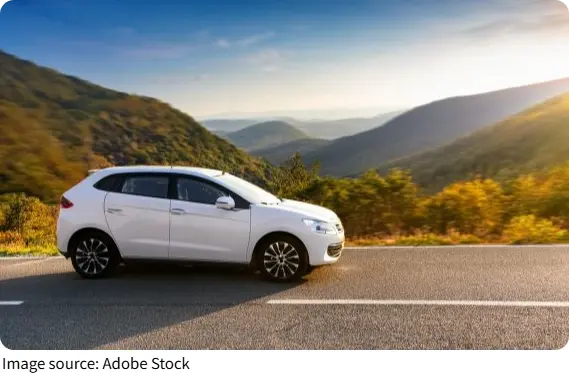
The drivetrain transfers engine power to the wheels. Sudden changes in speed can create extra forces through connected components, particularly when braking is combined with abrupt gear changes.
Modern vehicles are designed to handle normal braking, including emergency stops. Still, repeated harsh driving can place unnecessary stress on shafts, joints, and transmission components. We can reduce this pressure by looking ahead, easing off the accelerator early, and slowing down smoothly whenever conditions allow.
Why Road Safety Matters
Sudden braking can affect nearby drivers as well as our own vehicle. A car following too closely may not have enough time to stop, increasing the risk of a rear-end collision. On slippery roads, abrupt braking can also reduce grip and make steering less predictable.
Keeping a safe following distance gives us more time to react. Looking farther ahead helps us notice traffic lights, pedestrians, and slowing vehicles earlier. In rain or poor visibility, reducing speed and leaving extra space can make a meaningful difference.
When an emergency happens, braking firmly may be necessary. In vehicles with an anti-lock braking system, drivers should generally maintain firm pressure on the pedal rather than repeatedly pumping it. Knowing how our vehicle responds can help us stay in control.
Building Better Braking Habits
We can reduce unnecessary wear with a few simple habits. Maintain a steady speed, leave enough space between vehicles, and release the accelerator early when approaching junctions or slowing traffic. Regular maintenance also helps keep tires, brakes, and suspension components in good condition.
Road surfaces matter, too. Rain, loose gravel, and uneven pavement can reduce available grip. Smooth braking helps the tires maintain contact with the road, while sudden movements may make control more difficult.
Final Thoughts
Sudden braking is sometimes necessary, and safety always comes first. However, frequent hard stops can increase wear on tires, brakes, suspension parts, and the drivetrain. By looking ahead, maintaining distance, and braking smoothly when possible, we can protect our vehicles and improve road safety.
Lykkers, do you usually slow down early, or do you tend to brake at the last moment? Think about one driving habit you could improve, and share your thoughts with us!