Driving Safely on Gravel

Caleb Ryan
| 23-10-2026
 · Automobile team
Driving on a gravel road can feel very different from traveling on smooth pavement. Loose stones shift beneath the tires, dust may reduce visibility, and unexpected bumps can make steering less predictable.
Even a familiar route can become challenging when the surface changes after rain or heavy use. The key to handling these roads safely is to stay calm, adjust your driving style, and give yourself enough time to respond to changing conditions.
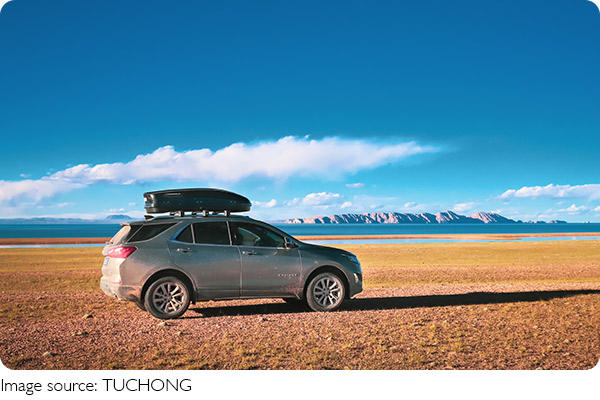
Reduce Your Speed Before Entering
Speed is one of the most important factors when driving on loose surfaces. Gravel generally provides less consistent tire grip than paved roads, which means sudden braking or sharp steering can make it harder to maintain control.
Slow down before leaving the paved section rather than waiting until the vehicle is already on loose stones. Choose a speed that allows you to steer smoothly, see the road ahead, and stop within the distance you can clearly observe.
There is no single speed that suits every gravel road. A wide, well-maintained surface may be easier to handle than a narrow track filled with loose stones, potholes, or sharp bends. Always consider the available visibility, road condition, and posted limits instead of relying on a familiar speed.
Keep Steering Movements Smooth
Gravel can cause the tires to slide slightly when the driver makes sudden movements. Turning the steering wheel sharply, accelerating aggressively, or braking hard can make this more difficult to manage.
Aim for gradual inputs. Approach bends at a controlled speed, steer steadily through the turn, and avoid abrupt corrections. Looking toward the path you want to follow can help you anticipate the road's direction instead of reacting at the last moment.
When the surface becomes uneven, keep both hands positioned comfortably on the steering wheel and remain attentive. If the vehicle feels less stable, avoid making several quick corrections.
Leave More Space Between Vehicles
Loose surfaces can increase stopping distances, especially when the road is uneven or the tires have limited grip. Dust from the vehicle ahead may also make it difficult to see potholes, bends, or approaching traffic.
For this reason, leave a larger gap than you would normally maintain on a dry paved road. More space gives you additional time to notice changes and reduces the chance of being caught in another vehicle's dust cloud.
Avoid following closely just because traffic is moving slowly. The vehicle ahead may brake unexpectedly or encounter a rough patch. A generous gap also helps protect your windshield and paintwork from stones thrown backward by other tires.
Brake Early and Gently
Braking requires extra care on gravel. Applying the brakes suddenly can cause the tires to lose traction, making the vehicle more difficult to control. Whenever possible, reduce speed before reaching a bend, steep section, or rough patch.
Use steady pressure and allow enough room to slow down gradually, particularly when visibility is limited. If your vehicle has an anti-lock braking system, follow the manufacturer's guidance for using it on loose surfaces. Downhill sections deserve particular attention because gravity can increase the vehicle's speed.
Be Careful Around Loose Edges and Potholes
Gravel roads are not always even from one side to the other. Loose material may collect near the edges, while deeper stones, washouts, and potholes can appear with little warning.
Keep a safe position on the road and scan ahead for changes in texture or elevation. Avoid moving abruptly toward the shoulder to avoid a small obstacle, especially when the edge is soft or unstable.
Prepare Your Vehicle Before the Trip
A little preparation can make gravel driving easier. Check that the tires are properly inflated according to the vehicle manufacturer's recommendations and look for visible damage or unusual wear. Make sure the brakes, lights, and windshield wipers are working correctly.
Remove loose objects from inside the cabin so they do not shift during travel. If the route is remote, plan your journey in advance and ensure you have enough fuel or battery charge to reach your destination and any planned stops. Do not assume that a vehicle with four-wheel drive can handle every gravel surface without difficulty.

Gravel roads are easier to manage when drivers adapt rather than drive as they would on pavement. On your next gravel trip, slow down before the pavement ends and keep every steering and braking input gentle until the surface feels predictable.