Car Care Checklist

Pankaj Singh
| 23-10-2026
 · Automobile team
Dear Lykkers, has your car been parked for weeks or months without being driven? Perhaps you have been traveling or working from home. Before turning the key and heading out, we should check a few important parts.
Long periods of inactivity can affect the battery, tires, fluids, and other components. Let's explore ten simple checks that can help us prepare for a safer journey.
1. Check the Battery
A car battery gradually loses charge while the vehicle is parked. Electronic systems may continue using small amounts of power, making it harder to start the engine. Look for loose connections, damaged cables, or corrosion around the terminals. If possible, use a suitable tester to check the voltage. If the battery seems weak, arrange charging or professional testing before driving.
2. Inspect the Engine Oil
Engine oil lubricates moving parts and helps reduce friction. Park on level ground and follow the owner's manual to check the oil level. With a dipstick, remove it, wipe it clean, insert it fully, and check the reading again. The level should fall between the minimum and maximum marks. If it is low, add the recommended oil gradually. Follow the service schedule when deciding whether a replacement is needed.
3. Check the Coolant
Coolant helps control engine temperature. When the engine is completely cool, check the reservoir level against its markings. If the level is low, look for leaks around hoses or beneath the vehicle. Add the correct coolant mixture according to the manual. Never open a hot cooling system, as pressurized liquid can cause burns. If the level keeps falling, arrange an inspection before traveling.
4. Measure Tire Pressure
Tires can gradually lose air during long periods of parking. Use a pressure gauge to check all four tires when they are cold. Compare the readings with the recommended pressures on the driver's door label or in the owner's manual. Inspect the tread and sidewalls for cracks, bulges, or other damage. Remember to check the spare tire if your vehicle has one.

5. Test the Brakes
Moisture can create light surface rust on exposed brake discs. Check that the parking brake releases properly and that the brake pedal feels firm. Look for fluid leaks near the wheels or beneath the car. In a safe, open area, test the brakes gently at low speed. If the pedal feels unusually soft or braking seems weak, stop and arrange a professional inspection.
6. Test the Lights
Working lights help us see clearly and communicate with other road users. Test the headlights, turn signals, hazard lights, brake lights, and reversing lights. Walk around the vehicle to confirm that each light works. Ask someone to help check the brake lights if needed. Replace failed bulbs and repair damaged connections before driving at night.
7. Examine the Wipers
Wiper rubber can become stiff or cracked after long exposure to sunlight. Inspect the blades for splits and worn edges. Check the washer reservoir and spray nozzles, too. Clean the windshield and test the wipers with washer fluid. Replace damaged blades so they can clear rain effectively and maintain good visibility.
8. Inspect the Exhaust
Check the exhaust pipes and muffler for heavy rust, loose parts, or visible damage. After starting the engine outdoors, listen for unusual rattling or excessive noise. Never run the engine in a closed garage. If exhaust fumes enter the cabin or you notice a strong unusual smell, switch off the engine when safe and seek professional help.
9. Examine the Exterior
Walk around the car in good light. Look for scratches, chipped paint, cracked windows, loose trim, and signs of rust. Rain and moisture can damage exposed surfaces over time. Clean away accumulated dirt with suitable products, and arrange repairs for damage that could affect visibility or safe operation.
10. Inspect the Engine Compartment
Open the hood while the engine is off and cool. Look for leaking fluids, damaged hoses, loose wires, or signs of small animals entering the compartment. Check for chewed cables and nesting material. Avoid touching electrical connections or moving parts. If you find damaged wiring, arrange a professional inspection before driving.
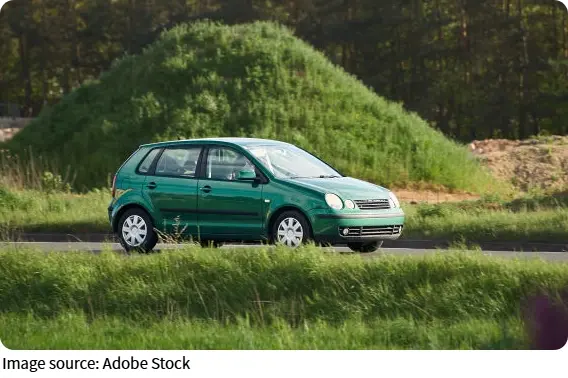
Final Thoughts: Prepare for the Road
Lykkers, returning a parked car to regular use starts with careful checks. Once everything looks normal, start the engine and check the dashboard for warning lights. Take a short, gentle test drive in a safe area and pay attention to unusual sounds, steering, and braking.
How long has your car stayed parked without being driven? Share your experience and tell us which check you find most useful. A few minutes of preparation can help us enjoy a smoother return to the road.