Why Luxury Cars Stand Out

Kwame Johnson
| 23-10-2026
 · Automobile team
Luxury cars are about more than an impressive badge or an expensive price tag. Their appeal comes from the way different elements work together, from the feel of the cabin to the smoothness of the drive.
Careful design, thoughtful features, strong performance, and attention to detail can make everyday travel feel more comfortable and enjoyable. Although each brand has its own approach, luxury vehicles generally aim to deliver a more refined experience than simply getting from one place to another.
Elegant Design and Careful Craftsmanship
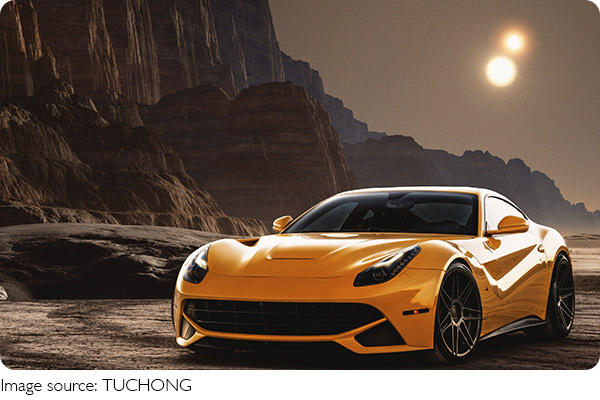
One of the first things people notice about a luxury car is its design. Clean body lines, distinctive lighting, balanced proportions, and carefully shaped details give many models a recognizable appearance. Some favor a restrained, understated look, while others use bold styling to stand out on the road.
The same attention often continues inside the cabin. Materials may include carefully finished leather, wood trim, metal accents, or other premium surfaces, depending on the model and specification. Stitching, switches, door handles, and dashboard controls can receive extra attention to create a consistent finish.
Quality is not determined by appearance alone. How well the components fit together, how easily the controls work, and how the materials hold up over time all influence the ownership experience. A well-designed interior should look appealing while remaining practical for everyday use.
A More Comfortable Driving Experience
Comfort is a major part of the luxury-car experience. Seats may offer extensive adjustment, supportive cushioning, heating, ventilation, or massage functions on selected models. These features can help drivers and passengers find a more comfortable position during longer journeys.
Cabin insulation is another important consideration. Reducing wind, tire, and road noise can make conversations easier and create a calmer environment. Suspension systems may also be tuned to absorb bumps and uneven surfaces while keeping the vehicle stable.
Technology That Supports Daily Travel
Modern luxury vehicles often include a wide range of technology designed to make driving more convenient. Depending on the model, features may include digital instrument displays, large infotainment screens, wireless smartphone integration, navigation, and personalized driver settings.
Driver-assistance systems can also contribute to convenience and safety. Depending on the equipment fitted, a vehicle may offer blind-spot monitoring, adaptive cruise control, lane assistance, or cameras that help with parking. These systems can support the driver, but they do not replace attention, judgment, or control of the vehicle.
Technology is most useful when it is easy to understand. Well-organized menus, clear displays, and accessible controls help drivers use the available features without unnecessary distraction. A long list of functions is less valuable when basic tasks become complicated.
Performance Beyond Straight-Line Speed
Luxury cars often provide strong performance, but speed is only one part of the picture. Smooth acceleration, responsive steering, predictable braking, and stable handling all contribute to how a vehicle feels on the road. Some models use powerful gasoline engines, while others feature hybrid or fully electric powertrains, each with a different driving character.
Suspension design, transmission behavior, tire selection, and sound insulation also influence the overall experience. A well-balanced vehicle should respond confidently to driver inputs while remaining composed during ordinary journeys. The goal is not simply to produce impressive numbers, but to make performance feel controlled and accessible.
Brand Reputation and Ownership
A well-known badge can signal quality, much like a respected label in fashion. Long-established carmakers work to protect that reputation, and brands such as Mercedes-Benz, Audi, and BMW bring a premium feel even to compact hatchbacks like the A-Class, A1, and 1 Series.
Still, a badge alone does not guarantee luxury. For many enthusiasts, the real measure is the experience of ownership, shaped by prestige, history, or long admiration for a particular model. To some drivers, a well-kept first-generation Volkswagen Golf means more than a modern supercar.
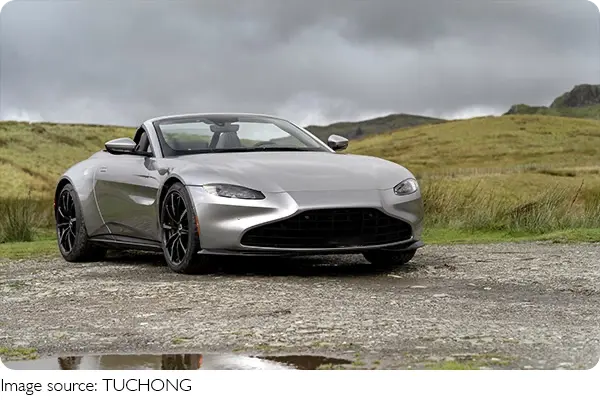
When comparing luxury cars, test-drive several models on familiar roads and pay attention to seat comfort, cabin noise, and how easily the controls work. Over years of ownership, these everyday details often matter more than the badge or the top speed.