Why Car Grilles Keep Growing

Kwame Johnson
| 22-10-2026
 · Automobile team
Modern cars often feature front grilles that look much larger than those on older models. From wide decorative panels to bold mesh patterns, the front of a vehicle has become an important part of its overall identity.
Although grilles traditionally help cool engines, their growing size is often driven by styling decisions rather than a need for additional airflow. Brand recognition, changing vehicle proportions, and the desire to stand out all help explain this noticeable trend.
Grilles Help Cars Stand Out
A car's front end is one of the first things people notice, making it an important place for manufacturers to express their design identity. A distinctive grille can help drivers recognize a brand even when several vehicles have similar body shapes.
Manufacturers use different outlines, patterns, and finishes to create recognizable designs. Some favor wide openings, while others use prominent vertical shapes or intricate details. Making the grille larger gives designers more space to create a memorable appearance.
This approach is especially useful in a competitive market where many vehicles share similar proportions. A recognizable front end helps a model develop its own character without requiring an entirely different body structure.
Does a Bigger Grille Improve Cooling?
Traditional grilles allow outside air to enter the engine compartment, helping the radiator release heat and maintain suitable operating temperatures. Mesh inserts or slats also help protect components behind the opening from road debris.
However, a larger grille does not automatically mean better cooling. Modern vehicles are designed to manage airflow according to their particular engineering requirements. Some feature active grille shutters that open when additional cooling is necessary and close when less airflow is needed.
Many oversized grilles also contain sections that do not allow air to pass through. Such areas are primarily decorative, showing that the visible size of a grille does not always reflect its practical function.
Why Larger Vehicles Often Have Bigger Grilles
The popularity of SUVs and other large vehicles has influenced front-end design. Their taller bodies and wider fronts give manufacturers more room to create prominent grille shapes. A substantial grille can make a vehicle appear wider and more imposing, helping its front end match the proportions of the rest of the body.
Combined with distinctive headlights and bumper details, it can produce a strong visual identity. Manufacturers may also use different grille designs to distinguish vehicles that share an underlying platform. This allows models to maintain separate appearances even when they use similar engineering foundations.
Electric Cars Are Changing Grille Design
Electric vehicles have introduced new possibilities for automotive styling. Because they do not use conventional combustion engines, their cooling requirements differ from those of traditional cars. Many can therefore use smoother front panels with smaller openings.
Despite this freedom, some electric vehicles retain large grille-shaped panels. These features can preserve a familiar brand identity or provide a space for decorative patterns and integrated technology. Electric vehicles still need to manage the temperature of batteries, motors, and electronic components, so some airflow openings remain useful. However, a large traditional-style grille is not automatically necessary for that purpose.
Why the Trend Divides Drivers
Oversized grilles attract mixed reactions. Some drivers enjoy bold exterior styling, while others prefer simpler designs with balanced proportions. The grille's relationship with the headlights, bumper, and body shape can make a significant difference to the overall appearance.
A large grille may help a vehicle look distinctive, but excessive size can overwhelm other design elements. Manufacturers must balance originality with the preferences of buyers who may favor a more understated look.
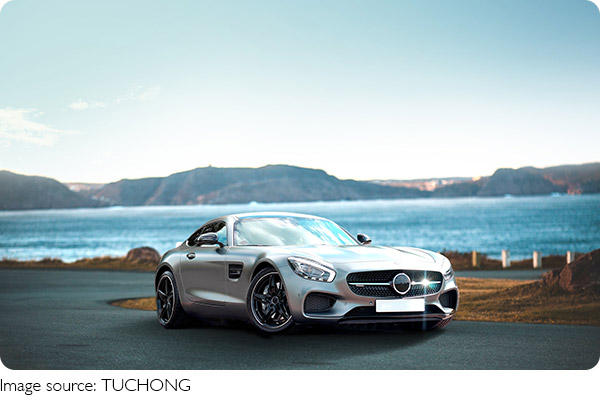
The size of a car grille today says more about brand identity and vehicle proportions than about cooling. When comparing models, look at which parts of the grille are actually open: this shows how much of it serves the engine and how much is there for style.