Rear Drive in Muscle Cars

Eleanor
| 21-10-2026
 · Automobile team
Muscle cars are known for their strong acceleration, bold proportions, and engaging driving character, and rear-wheel drive plays an important role in that experience.
Instead of sending engine power to the front wheels, this layout uses the rear wheels to push the car forward. But why has rear-wheel drive remained such a natural choice for high-powered muscle cars?
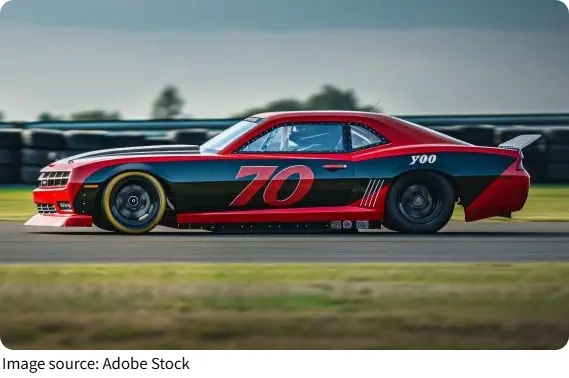
How Rear-Wheel Drive Works
In a rear-wheel-drive car, the engine sends power through the transmission and driveshaft to the rear axle. The rear wheels then provide the force needed to move the vehicle forward, while the front wheels primarily handle steering.
This arrangement separates two major jobs: the front tires guide the car, while the rear tires deliver engine power. That division can be particularly useful in a performance car because the front tires are not simultaneously responsible for steering and delivering engine torque.
Weight Transfer Helps Traction
Muscle cars have long been associated with strong straight-line acceleration, and rear-wheel drive suits that focus well. When a car accelerates, its weight shifts toward the rear. This increases the load on the rear tires, which are also the tires responsible for putting engine power onto the road.
That extra load helps the driven tires maintain traction during a hard launch. This matters most when a vehicle produces substantial torque, because the more power a car makes, the more important traction management becomes. Tires, suspension tuning, road conditions, and electronic systems that limit wheel slip all influence how effectively that power reaches the road.
Steering Stays More Focused
Because the front wheels do not transmit engine power, they are free to concentrate on changing the car's direction. This can give the steering a direct and natural feel, particularly when a driver is accelerating through a corner.
Weight Distribution Matters
The rear-wheel-drive layout can also support a balanced vehicle design. In a typical muscle car, the engine sits up front while the transmission, driveshaft, and rear differential run toward the back, spreading weight across the chassis.
Good weight distribution can help a car feel more predictable when changing direction. However, rear-wheel drive by itself does not guarantee perfect balance. Suspension design, wheelbase, tire selection, engine placement, and overall vehicle weight all influence handling.
It Creates an Engaging Driving Feel
There is also a reason enthusiasts appreciate rear-wheel drive beyond technical advantages. The layout gives drivers a strong connection between throttle input and the car's movement.
When acceleration is applied, the rear of the vehicle responds to the increase in power, while the front remains focused on steering. With the right conditions and proper control, this can make the car feel responsive and rewarding, especially in performance-oriented driving, where drivers can feel how throttle, steering, braking, and weight transfer interact.
Why Not Front-Wheel Drive?
Front-wheel drive can be an excellent choice for many vehicles, particularly where packaging, efficiency, and everyday practicality are important. However, it places both propulsion and steering duties on the front wheels.
In a high-powered car, this can cause torque steer, a tug on the steering wheel under hard acceleration. Weight also shifts away from the front as the car speeds up, reducing grip at the very wheels that must deliver the power. That is why high-powered muscle cars have stayed with rear-wheel drive.
This does not mean one layout is universally better. Each drivetrain configuration has advantages depending on the vehicle's purpose, power output, weight distribution, and intended driving conditions.
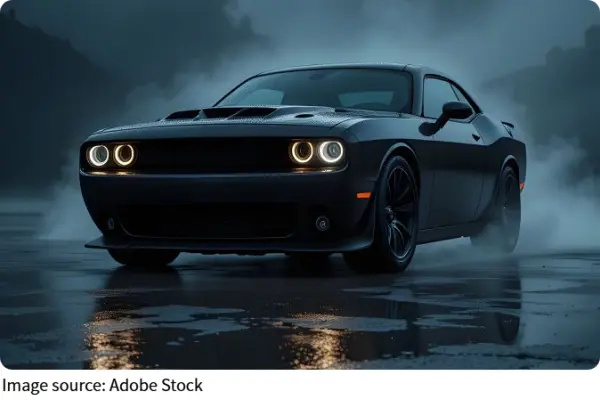
Rear-wheel drive fits the muscle-car formula because it suits powerful acceleration and performance-focused handling. The trade-off shows up in poor weather: on wet or icy roads, a rear-wheel-drive car needs gentle throttle, good tires, and working traction control, so those deserve as much attention as horsepower when choosing one.