Safe Night Driving

Claire
| 20-10-2026
 · Automobile team
Night driving can feel very different from driving during the day. Have you noticed how different familiar roads look after sunset?
Dim streetlights, bright headlights, and unexpected movement can make even a short trip more challenging. By staying alert and adjusting our driving habits, we can reduce risks and help everyone reach their destination safely.
Keep a Safe Distance
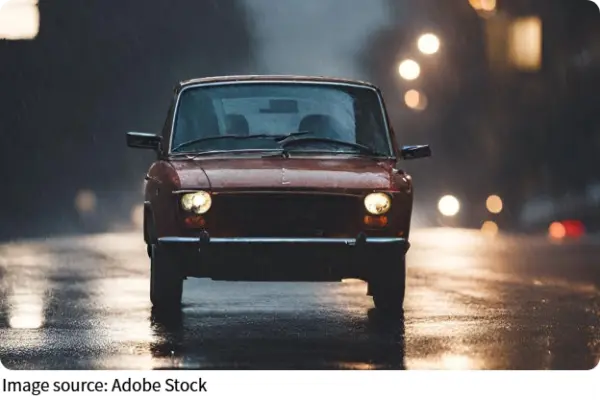
At night, it can be harder to judge distances and notice sudden changes in traffic. A vehicle ahead may brake quickly, or a pedestrian may appear near the roadside. We should leave enough space between our car and the vehicle in front to give ourselves time to react.
On wet roads, narrow streets, or poorly lit routes, increase that distance. Looking further ahead also helps us notice changing conditions before they become urgent.
Choose a Suitable Speed
Quiet roads may tempt us to drive faster, but fewer vehicles do not always mean fewer risks. A sharp bend, cyclist, or parked car may be difficult to see until we are close.
We should adjust our speed to match the road, weather, and available light. Speed limits provide guidance, but poor visibility may call for slower travel. Driving at a controlled pace gives us more time to respond and helps make the journey smoother.
Use Headlights Properly
Headlights help us see the road, but bright beams can affect drivers approaching from the opposite direction. Switch to low beams when meeting other vehicles, following local rules and road conditions.
If another car's lights seem dazzling, avoid looking directly at them. Keep your attention on the road ahead and use lane markings as a guide when visible.
Watch for Crossing Pedestrians
People may cross unexpectedly near intersections, shops, bus stops, and lines of waiting traffic. Someone walking between stationary cars can be difficult to notice in the dark.
When approaching these areas, ease off the accelerator and scan both sides of the road. Pay attention to gaps between vehicles and places where people might step out. Even when we have the right of way, we should remain ready to slow down when necessary.
Rest When Feeling Tired
Driving late at night can make us sleepy, particularly after a busy day. Repeated yawning, heavy eyelids, and difficulty concentrating are signs that we should stop.
Before a long trip, get enough rest and plan suitable breaks. If tiredness develops, find a safe, permitted place to park and rest before continuing. Opening a window or playing loud music cannot replace proper rest. If we cannot stay alert, arranging another driver is a safer choice.
Stay in Your Lane
At night, our view of the road ahead is often limited. Bends, hills, and mountain routes require extra care because approaching vehicles may remain hidden until the last moment.
We should stay within our lane and slow down before reaching a sharp turn or hill. Avoid cutting corners or crossing lane markings. On narrow roads, steady steering helps us keep a safe line when another vehicle approaches.
Overtake With Care
Passing another vehicle after dark requires careful judgment. Poor visibility makes it harder to estimate the distance of oncoming traffic or notice obstacles.
Before overtaking, check the mirrors, signal clearly, and confirm that passing is permitted. Make sure the road ahead is visible and there is enough space to complete the move safely. If we cannot see far enough ahead, remain behind the other vehicle and wait for a better opportunity.
Read Road Signs Early
Road signs warn us about sharp turns, steep slopes, narrow bridges, and other changes ahead. We should watch for these signs throughout the journey, especially on unfamiliar roads.
When a warning indicates a difficult section, reduce speed before reaching it rather than braking suddenly at the last moment. Follow lane markings and choose an appropriate gear on steep roads.
Safe night driving depends on preparation, patience, and attention. Before your next trip, check that all your lights work, plan your route, and make sure you are rested. Which habit do you find most helpful when driving after dark?
What to do to make driving at night safer
Video by Defensive Driving