Motorcycle Care Guide

Arvind Singh
| 20-10-2026
 · Automobile team
Dear Lykkers, owning a motorcycle offers flexibility, convenience, and an enjoyable way to travel.
Keeping it in excellent condition requires consistent maintenance, suitable equipment, and responsible riding habits.
With a practical care routine, you can preserve your motorcycle's performance, improve riding comfort, and prepare for daily journeys with confidence.
Perform Pre-Ride Checks
Before setting off, inspect the essential parts of your motorcycle. Check tire pressure against the recommended specifications, examine the tread, and ensure the brakes respond correctly. Test the headlights, taillight, brake light, and turn signals.
Adjust the mirrors to provide a clear view of surrounding traffic. Look for visible damage, loose components, or fluid leaks. These quick checks help you assess whether your motorcycle is ready for the journey.
Maintain Tires and Brakes
Tires play an essential role in grip, stability, and handling. Check their pressure regularly, preferably when they are cold, and inspect the tread for wear, damage, or embedded objects. Replace tires when they reach the manufacturer's wear limit or show damage that affects their condition.
Check the brake levers, pedal response, and brake fluid level where applicable. Any change in braking feel deserves prompt attention from a qualified technician. Proper maintenance of these components supports predictable handling and dependable stopping performance.
Follow a Maintenance Schedule
Consult your motorcycle's owner's manual for recommended service intervals and maintenance procedures. Depending on the model, routine care may include changing engine oil, replacing filters, inspecting the drive chain, checking the battery, and servicing the cooling system.
For chain-driven motorcycles, maintain the chain's lubrication and adjustment according to the manufacturer's instructions. Keep a simple record of completed services and upcoming maintenance to organize essential tasks and monitor the motorcycle's condition over time.

Wear Appropriate Riding Gear
Suitable riding gear combines protection, comfort, and freedom of movement. Choose a properly fitted, certified helmet that meets the applicable safety requirements, and fasten its chin strap securely.
Gloves, a protective riding jacket, long trousers, and sturdy footwear covering the ankles provide additional protection. Select clothing appropriate for the weather, and consider reflective details or brighter colors to improve visibility to other road users.
Inspect your gear regularly and replace items when their protective features, fit, or condition are no longer suitable.
Keep the Motorcycle Clean
Regular cleaning preserves the motorcycle's appearance and makes routine inspections easier. Use suitable cleaning products and materials for the bodywork, wheels, mirrors, and other surfaces.
Follow the manufacturer's cleaning instructions around electrical components, controls, and sensitive parts. After washing, dry the motorcycle as recommended and check that the lights and controls operate correctly.
Cleaning also provides an opportunity to notice changes in the motorcycle's condition, helping you decide when closer inspection or maintenance may be appropriate.
Practise Smooth Riding Techniques
Good riding technique supports comfort, stability, and control. Match your speed to traffic, visibility, road surfaces, and surrounding conditions. Maintain an appropriate following distance and signal clearly before turning or changing lanes.
Look ahead to anticipate bends, intersections, and changes in traffic. Use gradual acceleration, smooth braking, and controlled steering rather than abrupt inputs. Check your surroundings before changing position and remain attentive to pedestrians and other road users.
Developing these habits helps make everyday journeys more predictable and comfortable.
Adapt to Weather Conditions
Weather influences visibility, grip, and riding comfort. Check the forecast before longer journeys and select clothing suited to the expected temperature and conditions.
On wet roads, reduce speed smoothly, increase your following distance, and avoid sudden steering or braking. Ensure your visor is clean and clear, and confirm that the motorcycle's lights are functioning properly.
Allow extra time when conditions require a more measured pace, and choose a suitable alternative journey when the weather makes riding impractical.
Store Your Motorcycle Correctly
Choose a stable parking location with suitable protection from the elements. Use the recommended stand and position the motorcycle securely on an appropriate surface.
For extended storage, follow the owner's manual regarding battery maintenance, fuel-system preparation where applicable, tire care, and other model-specific requirements. A purpose-designed cover can help protect the motorcycle from dust and weather exposure when used according to its instructions.
Before returning to regular use, check the tires, brakes, lights, fluid levels, and other essential components.
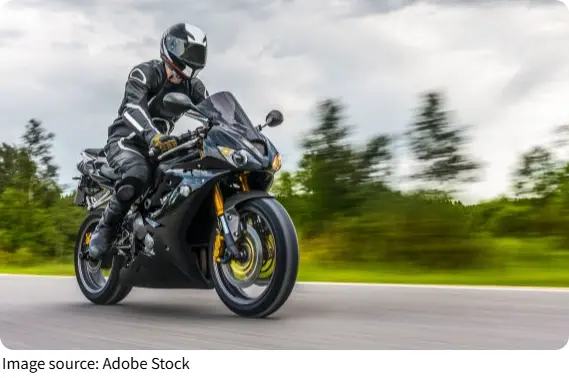
Make Every Ride Count
Excellent motorcycle ownership begins with consistent care. Pre-ride inspections, scheduled servicing, appropriate protective equipment, and smooth riding techniques form the foundation of a practical maintenance routine.
By understanding your motorcycle's requirements and making these habits part of everyday use, you can preserve its condition, support dependable performance, and enjoy a more comfortable riding experience. A well-maintained motorcycle is better prepared for the journeys ahead.