Eco, Comfort, or Sport?

Pankaj Singh
| 13-08-2026
 · Automobile team
Modern cars are designed to do more than simply move from one place to another. They are expected to feel efficient in city traffic, comfortable on long journeys, and responsive when quick acceleration is needed.
Because a single setup cannot deliver the best result in every situation, many vehicles now offer selectable driving modes that adjust electronic systems to suit different driving conditions.
These modes do not change the engine’s mechanical design. Instead, they alter how the vehicle responds to the driver, creating clear differences in fuel efficiency, comfort, and performance.
Why Driving Modes Matter
Driving modes allow the car to adapt to changing road conditions and driving priorities. Depending on the model, the system may adjust throttle response, transmission behavior, steering assistance, suspension settings, and the energy used by features such as climate control.
The purpose is simple: to make the vehicle feel more appropriate for the moment, whether the driver wants maximum efficiency, a smooth and relaxed ride, or quicker and more engaging responses.
Eco Mode: Designed for Efficiency
Eco mode is intended to reduce fuel consumption and encourage smoother driving habits. The accelerator responds more gradually, helping avoid unnecessary bursts of power. Automatic transmissions typically shift to higher gears earlier, keeping engine speed lower and improving efficiency. Some vehicles may also reduce the energy used by climate-control systems.
This mode is particularly useful for daily commuting, stop-and-go traffic, and steady urban driving. While acceleration may feel less immediate, the smoother behavior often makes the car easier to drive and more economical over time.
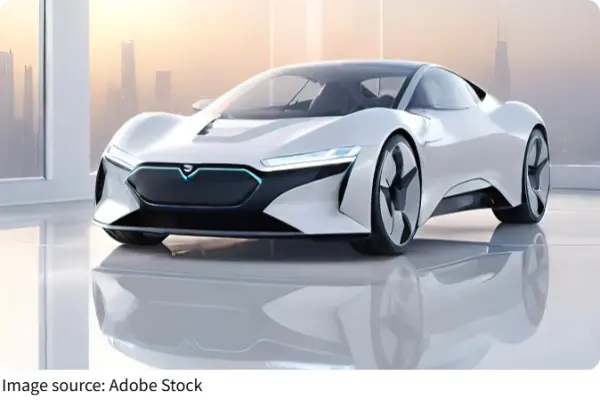
Comfort Mode: The Best Everyday Balance
Comfort mode is usually the default choice for everyday driving. Throttle response feels natural, gear changes are smooth, and the vehicle is tuned for refinement rather than aggression. In models with adjustable suspension, the ride is often softer, while steering becomes lighter for easier maneuvering.
This setting works especially well for long highway journeys, uneven roads, family travel, and general daily use. It provides a balanced combination of comfort, efficiency, and responsiveness, which is why many drivers use it most of the time.
Sport Mode: Sharper and More Responsive
Sport mode is designed for situations where faster reactions are desirable. The accelerator becomes more responsive, the transmission holds lower gears longer, and downshifts occur more readily. Steering may feel heavier, and some vehicles firm up the suspension to improve body control during cornering.
This mode is particularly useful for highway merging, overtaking, and driving on winding roads. The trade-off is usually higher fuel consumption and a firmer ride, but many drivers appreciate the more connected and responsive driving experience.
Choosing the Right Mode
The most effective driving mode depends on the situation rather than personal preference alone.
- Heavy traffic: Eco
- Daily commuting: Comfort
- Long highway journeys: Comfort
- Fuel-saving priority: Eco
- Quick overtaking: Sport
- Winding roads: Sport
Changing modes when conditions change is often the easiest way to get the best balance of efficiency, comfort, and responsiveness from the same vehicle.
What Driving Modes Do Not Change
Although the difference can feel significant, driving modes do not transform the car into a completely different machine. The engine, brakes, tires, and overall mechanical capability remain the same. The system mainly changes how quickly and aggressively the vehicle responds to driver inputs.
A performance car in Eco mode is still a performance car, and a comfortable sedan in Sport mode does not become a track-focused vehicle. The vehicle’s underlying character remains unchanged.
The Real Benefit
The greatest advantage of selectable driving modes is flexibility. Instead of forcing the driver to choose between efficiency, comfort, and responsiveness when buying the car, modern vehicles can provide all three to different degrees. A single button or dial can make the car feel calmer in traffic, smoother on a long trip, or more alert when faster reactions are needed.
Used thoughtfully, these modes can improve fuel economy, reduce driving fatigue, and make the vehicle feel better suited to the road ahead.
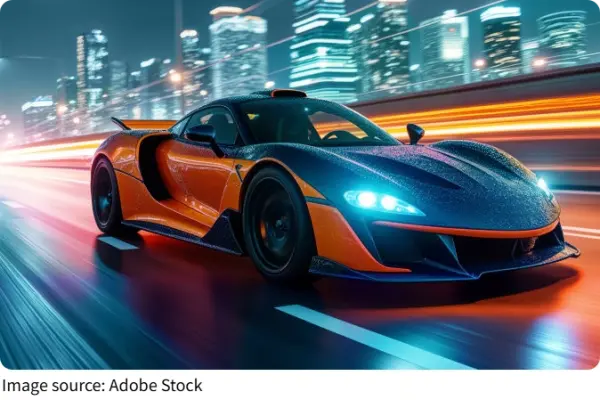
Selectable driving modes are one of the most practical technologies in modern vehicles because they allow a single car to adapt to different driving needs. Eco mode focuses on efficiency, Comfort mode delivers the smoothest and most balanced experience, and Sport mode provides quicker reactions and a more engaging feel.
Rather than leaving the vehicle in one setting all the time, drivers can benefit from choosing the mode that best matches the road and the journey. Understanding how each mode influences acceleration, shifting, steering, and overall behavior is a simple but effective way to use the vehicle more intelligently and enjoy a better driving experience in every situation.