Why Wheels Get Big

Camille Dubois
| 13-08-2026
 · Automobile team
Hi, Readers! Take a quick look at newer cars, and one thing jumps out fast: the wheels keep getting bigger, like every model went shopping and came back with extra-large sneakers.
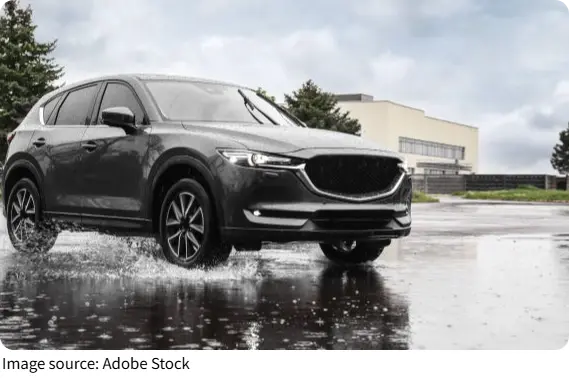
A bigger wheel can make a car look lower, wider, and more planted, even when the rest of the body barely changes. That visual punch is a huge reason large wheel designs have become more common.
In car tuning and mainstream vehicle design alike, wheel size often shapes first impressions before anyone notices engine output, cabin space, or storage. There is also a packaging reason behind the trend. Larger wheels can create room for bigger brake components, which is useful on heavier vehicles and performance-focused models. As cars gain weight through added safety systems, battery packs, and comfort features, braking demands rise too. A larger wheel helps engineers fit brake discs and calipers that would be harder to package inside a smaller rim. So while style gets the spotlight, hardware is quietly part of the story too.
Why designers like them
A large wheel fills the wheel arch more completely, which gives the car a tighter, more deliberate stance. It is the footwear effect: the right pair can change the whole outfit. Designers often use bigger rims with lower-profile tires to make side surfaces look cleaner and more premium. This can help a vehicle appear more upscale without changing its core structure. For many buyers, that crisp look signals performance and modern design, even if the driving character stays fairly ordinary.
What changes on the road
The catch is that a larger wheel usually means a shorter tire sidewall if the total tire diameter stays similar. That sidewall works like a cushion between the car and the road. Shrink the cushion, and bumps, rough pavement, and sharp edges are felt more clearly inside the cabin. In simple terms, the car may look dressed for a photo shoot while riding like it forgot its comfy shoes. Steering can feel more direct, which some drivers enjoy, but comfort often takes a hit.
Bigger wheels can also add weight, especially if the wheel and tire package is not carefully engineered. Extra unsprung weight makes life harder for the suspension because those parts move with the road surface rather than with the main body. That can affect ride quality, handling balance, and responsiveness over rough ground. Depending on the setup, acceleration and efficiency may also suffer a little because the car has more rotating mass to manage.
Cost and practicality
There is a wallet angle too. Larger wheels and lower-profile tires usually cost more to buy and replace. Tire damage may become more likely on rough roads because there is less sidewall to absorb impacts. That does not mean large wheels are always fragile, but the margin for forgiveness gets smaller. If you drive mostly in places with patched pavement, sharp edges, or frequent road imperfections, giant rims can turn daily commuting into a mildly annoying endurance test.
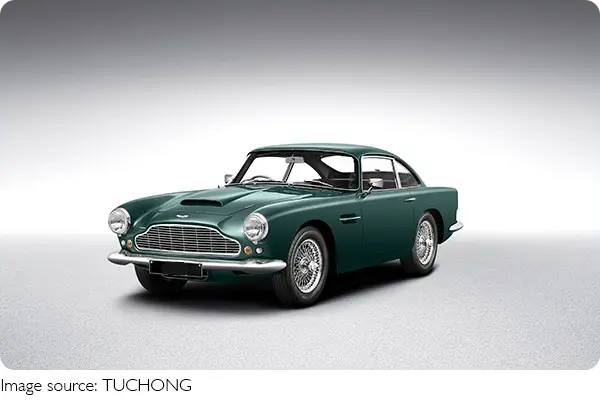
Another practical issue is that wheel size changes need to stay balanced with tire diameter, suspension tuning, and steering calibration. Carmakers do not simply bolt on huge rims and call it a day. They tune spring rates, damper settings, and tire specifications so the vehicle still behaves predictably. Even then, different trim levels often reveal the compromise clearly: the version with smaller wheels may ride better, cost less to maintain, and deliver slightly better efficiency, while the larger-wheel version wins the beauty contest in the parking lot.
The real trade-off
So why are wheel hubs and rims getting larger? Because modern car design is a balancing act between appearance, braking needs, handling feel, market trends, and everyday usability. Large wheels can improve visual appeal and help package bigger brakes, but they often bring firmer ride quality, higher replacement costs, and possible efficiency penalties. It is less a simple upgrade and more a choose-your-own-adventure setup, where every shiny gain may ask for a small sacrifice somewhere else.
If you are choosing between wheel sizes, the best answer depends on how you use the car. If you love crisp styling and do not mind paying more for tires, a larger setup may feel worth it. If comfort, durability, and value matter more, a modest size can be the quiet hero. Big wheels are a bit like fancy shoes: they can look fantastic, but the smartest pick is the pair you still enjoy wearing after a long day.