Old Speed, New Wisdom

Mariana Silva
| 11-08-2026
 · Automobile team
A vintage sports car offers something modern performance machines sometimes smooth away: mechanical feedback, simple controls, and a stronger sense of connection.
For Lykkers, enjoying one is not about treating it like a fragile museum piece. It is about understanding how older engineering behaves, what deserves extra attention, and how to keep each drive rewarding without expecting modern-car manners.
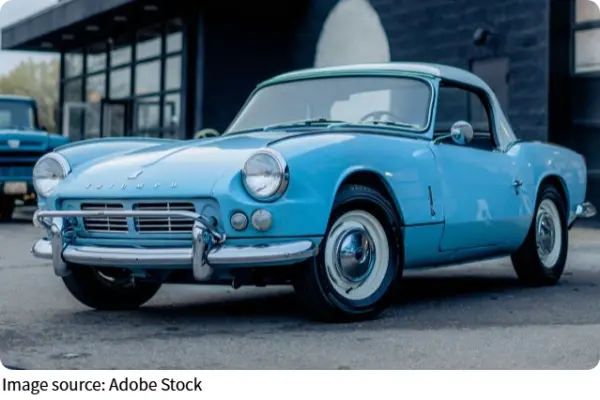
Drive With The Car
Older sports cars often ask more from the driver because steering, braking, cooling, and shifting systems may provide fewer electronic corrections. That sounds demanding, but it is also where much of the charm comes from.
Give every control a little more time
Modern cars often respond instantly and hide small mistakes, while an older sports car may prefer slower, more deliberate inputs. Feed in the accelerator progressively, turn the steering smoothly, and avoid rushing gear changes until you understand how the transmission feels.
This slower rhythm does not make the drive boring. In fact, you may find yourself more involved because every movement produces a clear response. The reward comes from getting the sequence right rather than simply going quickly.
Expect braking to feel different
Depending on age and design, braking effort may be heavier and stopping distances may feel less familiar than in a current vehicle. Before joining heavy traffic, learn the pedal response in a safe, legal area and leave more space ahead until the behavior becomes predictable.
Do not judge the system entirely by modern expectations. What matters is whether it performs correctly for that specific model and whether any recent change in pedal feel deserves professional inspection.
Watch the temperature gauge
Cooling systems deserve close attention in older performance cars, especially during slow traffic or hot weather. Make a habit of checking the temperature gauge occasionally rather than waiting for a warning sign.
If the reading climbs beyond its normal range, reduce stress on the engine and stop safely when necessary. Cooling problems are much easier to manage when you notice the first unusual change rather than the final dramatic one.
Listen before the car has to shout
Vintage cars communicate through small sounds, vibrations, and smells that modern insulation often hides. Learn what your car normally sounds like at idle, during acceleration, and over uneven roads. A new squeak, vibration, or change in engine note does not automatically mean something serious, but it is worth investigating. Familiarity becomes a useful diagnostic tool because you notice small differences sooner.
Own The Age, Not Just The Style
Vintage sports-car ownership becomes much easier when you accept that age changes the rules. Preventive care, thoughtful storage, and realistic trip planning matter more than chasing perfect cosmetic condition.
Check rubber components regularly
Age affects more than mileage. Hoses, seals, weather protection, and tires can deteriorate even when the car is driven infrequently.
Inspect visible rubber parts for dryness, swelling, leaks, or unusual wear, and pay close attention to tire age as well as tread depth. A tire can look respectable while still being too old for confident performance.
For an older sports car, condition matters more than whether something appears original.
Keep records like a detective
Maintenance history becomes especially valuable as a vehicle gets older. Keep receipts, service notes, replacement dates, and part numbers together so you can track what has already been done.
Over time, this creates a useful timeline. If a cooling hose was replaced several years ago or the brake fluid service date is unclear, you do not need to rely on memory.
A well-organized folder may not look exciting, but it can prevent repeated work and expensive guessing.
Do not let long storage become neglect
A vintage sports car that sits for long periods still needs attention. Follow model-specific guidance for battery care, fluids, tires, fuel, and storage conditions, especially if the vehicle will remain unused for several months.
Short, occasional movement is not always the same as a proper drive, so avoid inventing random storage routines. Good preservation comes from using the right procedure for the particular vehicle.
Carry a small model-specific kit
Older cars may benefit from a few carefully chosen spares and tools based on known weak points. Rather than filling the trunk with everything imaginable, ask an experienced specialist what commonly matters for your model.
Useful items might include selected fuses, bulbs, basic hand tools, gloves, a flashlight, and contact details for roadside support. The goal is preparation, not turning every weekend drive into an expedition.
Plan routes around enjoyment
A vintage sports car often feels best on flowing roads where you can enjoy steering feedback, gear changes, and engine character without needing extreme speed.
Choose routes with reasonable road surfaces and enough opportunities to stop if necessary. The journey becomes more relaxed because you are working with the car rather than forcing it into situations it was never designed to enjoy.
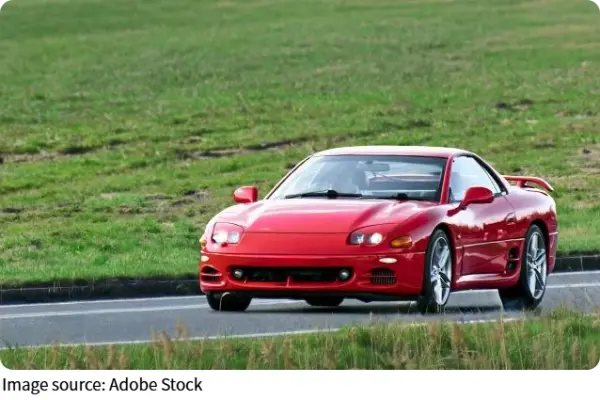
A vintage sports car isn't just a machine – it's a conversation between driver and engineering, spanning decades of design philosophy. The joy lies not in perfection, but in the honest feedback of every control, every sound, every slight vibration through the steering wheel.
Accept its quirks, learn its rhythms, and maintain it with care rather than frustration. When you stop comparing it to modern cars, you start appreciating it for what it truly is – a time capsule of driving purity, waiting for someone patient enough to listen.