Motorcycle Control Guide

Naveen Kumar
| 11-08-2026
 · Automobile team
Motorcycle control depends on how several inputs work together rather than on any single control.
The throttle, clutch, brakes, body position, and available traction all influence how the motorcycle accelerates, slows, turns, and stays balanced.
Learning to coordinate these inputs smoothly helps riders maintain predictable control in changing riding situations. For Lykkers, understanding this relationship can make everyday riding more precise and composed.
Throttle Controls Acceleration
The throttle controls engine output, so smooth wrist movements are important for predictable acceleration. Gradual inputs help prevent abrupt changes in acceleration and unnecessary weight transfer.
Before a corner, reduce speed to a suitable level and avoid sudden throttle changes while leaned over. As the motorcycle begins to straighten on the exit, acceleration can be increased progressively, allowing the rider to build speed while maintaining control.
Clutch Supports Low-Speed Control
The clutch is especially useful when precise control is needed at low speeds. Managing the friction zone allows the rider to regulate power delivery during starts, tight turns, parking maneuvers, and other slow-speed situations.
Clutch control works best with steady, measured throttle input. Coordinating both controls helps maintain smooth power delivery and reduces abrupt changes that can disturb the motorcycle's balance.
Braking Manages Speed
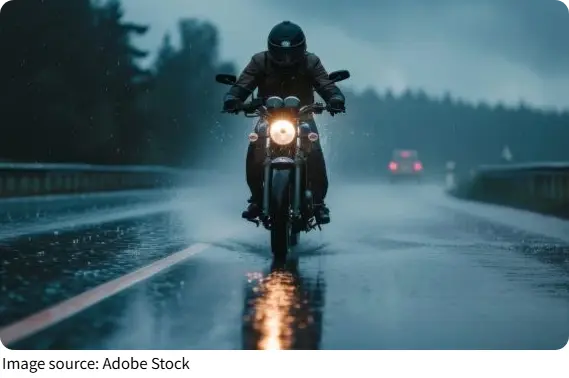
Braking is part of the same speed-management process as throttle control. When slowing down, close the throttle smoothly and apply the brakes progressively rather than making abrupt inputs.
Both front and rear brakes contribute to controlled deceleration, with the front brake generally providing a greater share of stopping force because braking transfers weight toward the front wheel. When braking while cornering, braking and cornering place combined demands on available tire traction, making smooth inputs particularly important.
Body Position Supports Control
Body position influences how naturally the motorcycle responds to steering and control inputs. A relaxed upper body, slightly bent elbows, and a stable position on the motorcycle allow the rider to make controlled steering adjustments without unnecessary tension.
Looking toward the intended path through a turn can also support smoother steering. The rider's body should complement the motorcycle's movement rather than create unnecessary shifts or resistance.
Traction Sets The Available Margin
Tires have a finite amount of grip that must support acceleration, braking, and cornering. When several of these demands occur together, less traction remains available for additional inputs.
Road conditions can also change the amount of grip available. Wet surfaces, loose material, uneven pavement, and temperature changes can affect tire performance and surface traction. Smooth steering, braking, and throttle inputs help the rider use the available grip more effectively.
Control Comes From Coordination
The greatest benefit comes from combining these skills into one continuous process. Before a corner, the rider can adjust speed and select an appropriate gear. Through the turn, smooth steering and controlled throttle help maintain a steady line. As the motorcycle becomes more upright, acceleration can be increased progressively.
The same principle applies to everyday stops and starts. Coordinating the throttle, clutch, and brakes reduces abrupt movements and makes transitions between acceleration, deceleration, and low-speed control more predictable.
Make Smooth Inputs A Habit
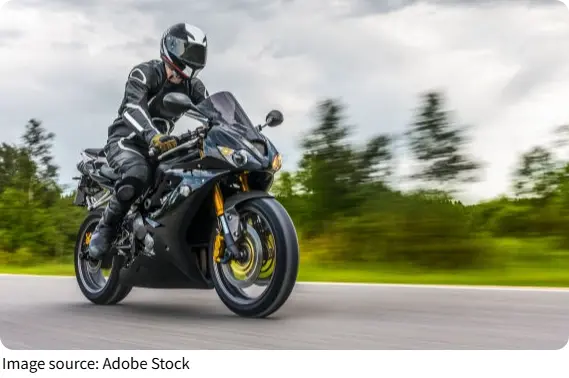
Effective motorcycle control comes from timing, consistency, and practice. Throttle, clutch, braking, body position, and traction are not separate skills; they are connected parts of the same control system.
For Lykkers, the essential principle is simple: use every input deliberately, progressively, and in proportion to the traction available. With consistent practice, smooth coordination becomes a natural part of riding and helps the motorcycle respond more predictably.