Choose the Right Bike

Pardeep Singh
| 29-07-2026
 · Automobile team
Hi, Readers! Picking a bicycle can feel a bit like choosing a travel buddy for a long road trip.
The right one makes every ride smoother, easier, and more fun. The wrong one feels like wearing shoes two sizes off and pretending everything is fine.
A solid bike choice starts with one simple question: where and how will you ride? The article from REI explains that different bikes are built for different jobs, so matching the bike to your usual riding plans is the first big step.
If you ride mostly on paved roads and want speed and efficiency, a road bike is usually the go-to option. These bikes are light, quick, and designed for smooth surfaces. If your rides mix pavement, dirt paths, and rougher ground, gravel bikes and cyclocross bikes offer more versatility. Mountain bikes are built for trails, rocks, roots, and steep terrain, with features that help with control and comfort off-road. Hybrid bikes sit in the middle, blending comfort and everyday practicality, which makes them a friendly choice for commuting, fitness rides, and casual weekend spins.
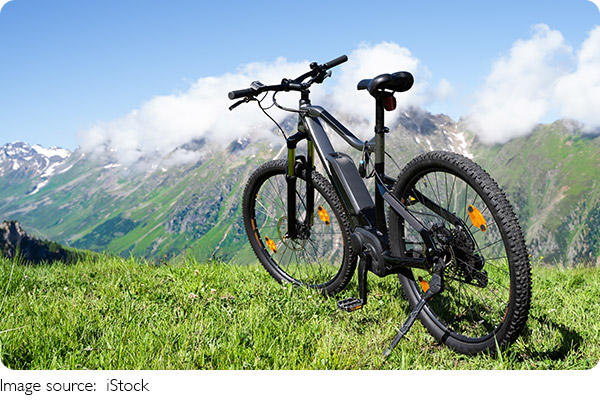
Match the bike to the ride
The article highlights several main bike categories. Road bikes focus on efficiency on pavement. Their drop handlebars and narrow tires help riders move fast with less rolling resistance. Mountain bikes are made for rugged trails and come in different styles depending on the terrain, from cross-country riding to more technical trail use. Hybrid bikes combine features from road and mountain bikes, aiming for comfort, stability, and usefulness in daily riding. There are also specialty options like comfort bikes, electric bikes, folding bikes, cargo bikes, and gravel bikes. Each type has a purpose, so the smartest move is to think less about what looks coolest and more about what fits your real-life routine.
Fit matters more than flair
A bike can have all the shiny features in the world, but if it does not fit you well, it will be a headache on two wheels. The REI article stresses bike fit as a major factor. Frame size should match your height and proportions, and riders should pay attention to standover clearance, reach to the handlebars, and overall riding position. A more upright position usually feels more comfortable for casual riders, while a more stretched-out position may suit riders focused on speed and performance. If a bike shop can help with sizing or a test ride, that is extremely useful. Even a short ride can reveal whether a bike feels natural or awkward.

Features that change the ride
Components matter because they affect comfort, control, and maintenance. The article points out that suspension can be useful on rough terrain, especially on mountain bikes, while many road and hybrid bikes may not need it. Tire width also plays a big role. Narrow tires are generally faster on pavement, while wider tires offer more grip and comfort on uneven surfaces. Gears help riders handle hills and different riding conditions, and braking systems also deserve attention. Disc brakes often provide stronger and more consistent stopping, especially in wet conditions, while rim brakes can be lighter and simpler. None of these features are automatically better for everyone. It depends on where you ride and what kind of feel you want.
Budget and practical choices
Another key idea in the article is balancing budget with needs. It is easy to get distracted by flashy upgrades, but the best value often comes from choosing a reliable bike that suits your riding style. You may also need to budget for essentials like a helmet, lock, pump, repair kit, and lights. Those extras are not glamorous, but they are the supporting cast that keeps the whole show running smoothly. If you plan to ride often, it can be worth spending a bit more for quality and long-term comfort, but there is no need to chase features you will never actually use.
In the end, choosing a bicycle is really about matching the machine to your daily life, not to a fantasy version of yourself. Think about your terrain, comfort, fit, and budget, then test a few options if possible. That way, you will end up with a bike that feels less like a puzzle and more like a trusty sidekick ready to roll wherever you want to go.