Why Car Color Matters

Liam Reilly
| 28-07-2026
 · Automobile team
Hi, Readers! Car color can feel like a simple style choice at first, but it actually touches a lot more of daily driving than most people expect.
The color of a car affects how visible it is on the road, how much heat it absorbs in the sun, how quickly it looks dusty, and even how often it may need cleaning to keep that just-washed look.
Some shades stand out clearly in different light, while others can blend into the background in ways that matter when traffic is heavy or weather turns gray.
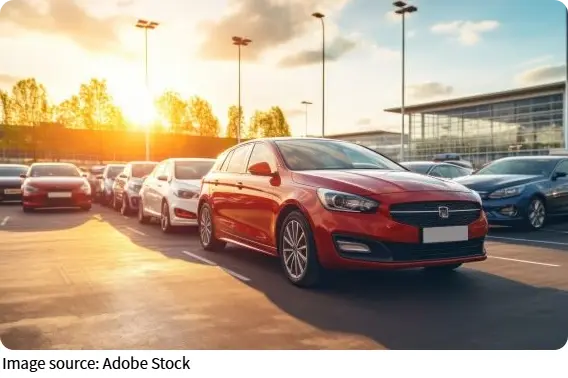
Brighter, lighter colors are often easier to see in many driving conditions. White, yellow, orange, and similar shades tend to stand out better during the day and around dawn or dusk. Darker colors, especially black, can be harder to spot at night and in low-light settings.
That does not mean a dark-colored car is unsafe by itself, but it does mean visibility can be different depending on the surroundings, the weather, and the time of day. When a vehicle is easier for other drivers to notice, that extra bit of visibility can make a real difference.
Visibility on the Road
One of the biggest reasons color matters is contrast. A car that clearly stands apart from the road, nearby buildings, trees, or the sky is generally easier to notice. White cars often do well in darker settings, while yellow and orange can remain eye-catching in a wide range of environments.
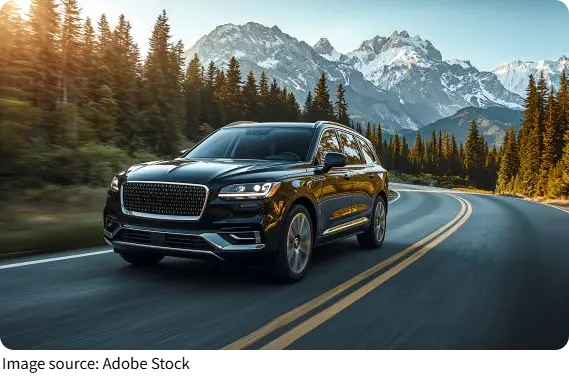
Gray, silver, and black can sometimes blend into rainy streets, cloudy skies, or dim evenings. If someone drives often in low light, in storms, or on long commutes, color becomes more than a style detail. It becomes part of how noticeable the vehicle is in everyday life.
Heat and Comfort
Color also affects how hot a car gets when it sits outside. Dark shades absorb more heat from sunlight, which can make the cabin warmer when you open the door after it has been parked for a while. Lighter colors reflect more sunlight and may help keep interior temperatures a bit lower.
This may not sound dramatic at first, but over time it can change how comfortable the car feels, especially in places with strong sun and long warm seasons. It can also influence how hard the cooling system needs to work to bring the cabin back to a comfortable temperature.
Cleaning and Everyday Upkeep
Another thing people notice quickly is how color changes the way dirt, dust, and marks show up. Black cars can look striking when freshly cleaned, but they often reveal dust, water spots, and surface marks more easily. White cars may hide dust better in some cases, though mud and road grime can still be obvious.
Silver and gray are often described as practical choices because they can disguise everyday dust fairly well. For anyone who wants a car to keep looking tidy between washes, this part matters more than many buyers expect at the start.
Resale and Personal Preference
Color can also play a part when it is time to sell or trade in a car. Neutral shades such as white, black, gray, and silver often appeal to more buyers, simply because they feel familiar and versatile. Brighter colors can be loved by some people and passed over by others. That does not make bold shades a poor choice, of course.
It just means color can shape how broad the next buyer pool might be. At the same time, personal taste still matters. A car is something many people live with every day, so enjoying the look of it has real value too.
Making a Smart Choice
Choosing a car color is really about balancing appearance with practical life. Someone who parks outdoors every day may care a lot about heat. Someone who drives home after sunset may put more value on visibility. Someone who wants less noticeable dust may lean toward a mid-tone shade.
There is no one perfect answer for everyone, but there are smart reasons to think beyond style alone before making the final pick.
In the end, car color matters because it quietly affects safety, comfort, maintenance, and future value all at once. If you are choosing a vehicle soon, it helps to pause and think about your driving habits, your local weather, and how much upkeep you want.
Sometimes the smartest color choice is not just the one that looks best in the driveway, but the one that fits your life most comfortably every single day.