Beat Blind Spots

Ethan Sullivan
| 28-07-2026
 · Automobile team
Hi, Readers! Blind spots are like those sneaky corners in your kitchen where crumbs hide until guests show up. Around a vehicle, though, these hidden areas are far more serious.
A driver cannot always see every space around the car, truck, or SUV, even with mirrors doing their best impression of helpful sidekicks.
These unseen areas, often called blind zones, can put nearby people, bicycles, and other vehicles at risk, especially when a vehicle is backing up or changing lanes.
Blind zones exist in different places depending on the size and shape of the vehicle. Larger vehicles usually have bigger hidden areas behind them and along the sides. Even smaller cars can miss a person, a stroller, or a bicycle if mirrors are not adjusted well or if someone is standing in just the wrong spot.
Backing incidents are especially risky because the area directly behind a vehicle can disappear from the driver’s view like a sock in a laundry machine.
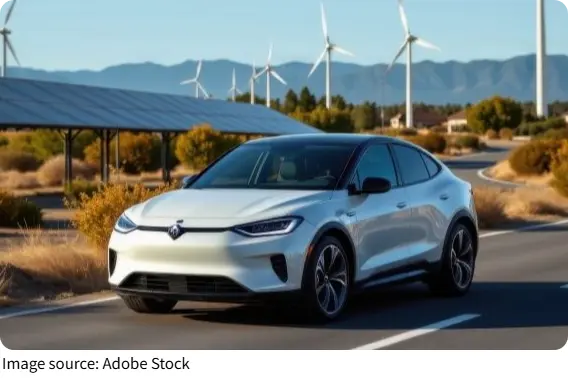
Know where blind zones are
The first step is simple but important: understand that every vehicle has blind zones. These can appear behind the rear bumper, beside the rear doors, and near the front corners. SUVs, vans, and pickup trucks often have larger rear blind zones than drivers expect.
A good habit is to walk around the vehicle before getting in, especially in driveways, parking lots, and residential areas where children may be nearby. It takes only a moment, but it can prevent a serious mistake.
Adjust mirrors the right way
Mirrors help, but only if they are set properly. Drivers should adjust side mirrors to reduce overlap with the rearview mirror and widen the field of view along both sides of the vehicle. The goal is to catch vehicles moving up from behind before they slide into that invisible pocket.
Rearview mirrors should give a clear view straight back, while side mirrors should cover the lanes beside the vehicle. Think of it like arranging lamps in a dim room. Put them in the wrong places, and the shadows stay put.
Back up with extra care
Before reversing, always look around the entire vehicle. Check mirrors, look over your shoulder, and move slowly. If the vehicle has a rearview camera, use it as a helper, not as the whole plan. Cameras can improve visibility, but they do not show everything.
Some objects or people may still be outside the camera’s view. For that reason, direct visual checks still matter. Keeping the speed very low while backing gives the driver more time to react if something appears unexpectedly.
Use technology, but do not lean on it too much
Many newer vehicles come with rearview video systems and other driver assistance features. These tools can make hidden areas easier to monitor and can reduce the chance of backover incidents. Still, technology is not magic.
Sensors may miss certain objects, and screens can create a false sense of confidence if drivers stop checking with their own eyes. The safest approach is to combine technology with careful habits, not swap one for the other.
Protect children and pedestrians
Children are especially hard to see because they are shorter and can move quickly into a blind zone without warning. Drivers should never assume a child is in a safe place just because they were seen a moment earlier. Keep car keys out of children’s reach so they cannot move a vehicle accidentally.
In homes with driveways, it helps to teach children not to play in or around parked vehicles. When another person is available, asking them to help guide the driver while backing can also make things safer.
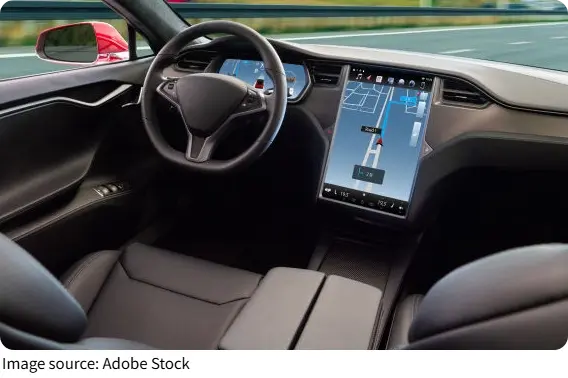
Stay alert in traffic
Blind spot risk is not only about backing up. It also shows up during lane changes and turns. Before changing lanes, use mirrors and turn your head to check the lane beside you.
That quick shoulder check can catch a motorcycle, bicycle, or car hiding just out of mirror view. In heavy traffic, signal early and give yourself time to confirm the lane is clear. Rushing this step is like trying to thread a needle while running for a bus. It rarely ends well.
Blind spots may be invisible, but dealing with them should not be a mystery. A quick walk-around, properly adjusted mirrors, careful backing, and smart use of cameras can make a big difference. If you treat every hidden zone like a spot that deserves respect, you give yourself and everyone around you a much safer ride.