The Rise of Green Cars

Pardeep Singh
| 09-05-2026
 · Automobile team
You pull up at a traffic light and notice a sleek car silently gliding past. No engine roar, no exhaust fumes—just smooth motion.
This is not science fiction; it's the reality of green vehicles.
These cars aren't just about cutting emissions—they're shaping how we think about transportation, energy, and sustainability.
What Defines a Green Vehicle
A green vehicle is more than just “eco-friendly” in appearance. It's designed to minimize environmental impact throughout its life cycle, from production to disposal. This can include reducing fuel consumption, using alternative energy, and limiting harmful emissions.
Key points:
- Electric vehicles (EVs) rely entirely on electricity, eliminating tailpipe emissions.
- Hybrid vehicles combine internal combustion engines with electric motors to improve fuel efficiency.
- Hydrogen fuel cell vehicles convert hydrogen into electricity, producing only water as a byproduct.
For example, fully electric cars demonstrate how a zero-emission vehicle can handle daily commuting without contributing to urban air pollution.
Technologies Driving Green Innovation
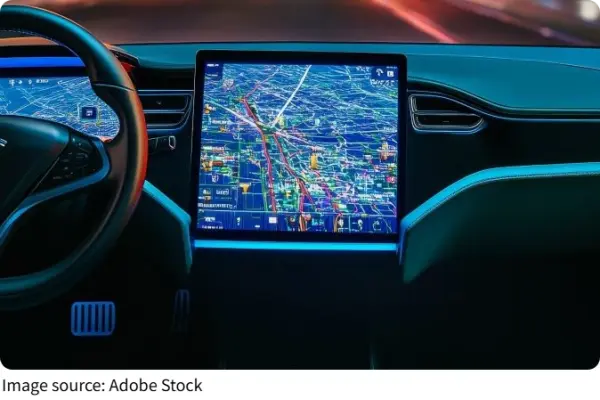
Modern green cars are powered by a range of innovative technologies designed to reduce environmental impact. Batteries, regenerative braking, lightweight materials, and smart energy management all play a role.
Actionable examples:
- Regenerative braking captures energy usually lost during deceleration, feeding it back to the battery—this extends driving range and reduces energy waste.
- Using carbon-fiber or aluminum frames lowers vehicle weight, improving efficiency and decreasing energy consumption.
- Smart onboard systems optimize battery usage, route planning, and power delivery to maximize sustainability.
Energy-efficient electric cars often use regenerative braking and optimized powertrains to achieve longer ranges while minimizing energy waste.
Environmental Benefits and Impact
Green vehicles offer measurable environmental benefits, from cleaner air to reduced greenhouse gas emissions. Beyond the obvious reduction in exhaust pollutants, they also contribute to quieter streets and less dependence on fossil fuels.
Actionable insights:
- Switching a conventional sedan to a hybrid or electric model can reduce CO₂ emissions by several tons per year.
- Urban planners can encourage adoption by installing EV charging stations in public areas.
- Businesses can adopt electric delivery fleets to cut operational emissions and reduce fuel costs.
In Norway, for example, widespread adoption of electric vehicles has dramatically lowered urban emissions in cities, showing that large-scale impact is possible with the right incentives.
Challenges and Solutions
Despite their benefits, green vehicles face obstacles such as battery costs, limited charging infrastructure, and consumer awareness. Addressing these challenges is crucial for widespread adoption.
Practical strategies:
- Governments and companies can offer subsidies or tax incentives to offset initial costs.
- Expanding fast-charging networks makes EVs more convenient for long-distance travel.
- Educational campaigns can inform buyers about the long-term savings and environmental benefits of green cars.
A study found that pairing EV sales with bundled home charger installation increased customer adoption rates by 40%, showing how convenience and education matter.
The Road Ahead for Sustainable Mobility
Green technology continues to evolve, promising lighter, faster, and more efficient vehicles. Integration with renewable energy, smart grids, and autonomous driving could further enhance the sustainability of transportation systems.
Forward-looking tips:
- Monitor developments in solid-state batteries, which could dramatically improve range and safety.
- Encourage corporate fleets to transition to hybrids or EVs as a pilot before full-scale adoption.
- Explore solar-assisted vehicles for niche applications, reducing energy draw from the grid.
By combining technological innovation with practical adoption strategies, green vehicles can shift the entire transportation landscape toward sustainability.
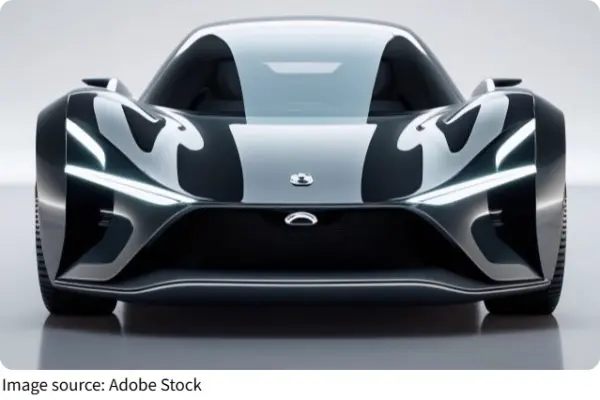
Green cars are no longer a futuristic dream—they're a tangible part of our streets today. By embracing these vehicles and supporting the technology behind them, we're not just reducing emissions; we're paving the way for a cleaner, quieter, and more sustainable future. Every ride, every charge, and every choice matters in shaping this new mobility landscape.