Dark Road Guide

Chandan Singh
| 09-05-2026
 · Automobile team
Night driving has a different rhythm. The road feels quieter, lights stretch into the distance, and everything seems a little less predictable.
For new drivers, it's not the darkness itself that feels challenging—it's how quickly small details can disappear if you're not paying attention.
Once you adjust your habits, though, it becomes surprisingly manageable.
Use your headlights the right way
Headlights aren't just about turning them on—they're about using them properly.
• Switch to low beams when another car is approaching
• Use high beams on darker roads when no one is nearby
• Make sure headlights are clean and aligned
Bright lights can help you see further, but using them incorrectly can make things harder for others and even reduce your own visibility in certain situations.
Slow down more than you think
At night, your visible range is shorter. That changes everything.
• You have less time to react to obstacles
• Road signs appear later
• Unexpected movement is harder to detect
Driving slightly slower than usual isn't hesitation—it's smart adjustment to limited visibility.
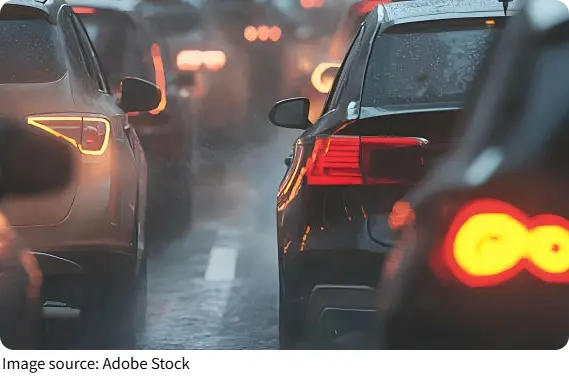
Look slightly to the side, not directly at lights
Oncoming headlights can feel intense, especially on darker roads.
• Avoid staring directly at bright lights
• Focus on the lane markings or the right edge of the road
• Let your peripheral vision guide you
This small shift reduces glare and helps you maintain direction without straining your eyes.
Keep your windshield and mirrors clear
Light reflections can multiply quickly if surfaces aren't clean.
• Wipe the inside of the windshield regularly
• Adjust mirrors to reduce glare from behind
• Use the anti-glare mirror setting if available
Clear glass makes a bigger difference at night than during the day.
Watch for subtle movement
Not everything shows up clearly at night. Movement often appears before details do.
• Look for shadows or slight motion near the road
• Pay attention to reflective surfaces
• Be cautious in areas with limited lighting
This habit helps you react earlier, even when visibility isn't ideal.
Stay alert to fatigue
Night driving naturally makes people feel more tired.
• Take breaks if your focus starts to drop
• Keep the cabin slightly cool and fresh
• Avoid pushing through long stretches without stopping
Fatigue doesn't always feel obvious—it builds gradually and affects reaction time before you notice it.
Give yourself more space
Distance matters even more at night.
• Increase following distance slightly
• Avoid driving too close to other vehicles
• Leave room for unexpected stops
Extra space gives you more time to respond calmly instead of reacting suddenly.
Night driving isn't about mastering something complicated. It's about adjusting small habits—how you look, how fast you go, and how much space you leave. Once those changes settle in, the road at night starts to feel less uncertain and a lot more steady.