MotoGP: From Tracks to Glory

Pankaj Singh
| 09-05-2026
 · Automobile team
The roar of engines, the blur of colors, and the thrill of cornering at top speed—MotoGP is more than a race; it's a spectacle that has captured fans for decades.
Watching riders push machines to their limits, it's easy to forget that this global championship has a rich history shaped by innovation, daring riders, and unforgettable moments.
The Birth of the Championship
MotoGP began in 1949 as the FIM Road Racing World Championship, bringing together the best motorcycle racers on the planet. Initially, races were shorter and primarily focused on smaller engine classes, but the excitement quickly drew attention worldwide.
Key early developments:
The 500cc class became the premier category, attracting the fastest and most skilled riders.
Early circuits were often public roads, demanding incredible precision and bravery.
Teams experimented with engine tuning and lightweight materials, laying the groundwork for modern technology.
For example, legendary rider Geoff Duke dominated the early 1950s with his precise riding style and innovative use of aerodynamic body positioning, inspiring future generations.
Technological Evolution on the Track
As MotoGP grew, machines evolved from basic two-stroke engines to highly sophisticated prototypes. Every season introduced new technologies that reshaped the sport.
Major technical milestones included:
Introduction of four-stroke engines in the 2000s, which enhanced power and reliability.
Advanced electronic systems like traction control, data telemetry, and ride-by-wire technology.
Lightweight materials and aerodynamic designs, improving speed and cornering precision.
A practical example: Modern MotoGP bikes can generate over 250 horsepower while maintaining stability in tight corners, a leap unimaginable in the championship's early years. Engineers and riders now collaborate closely to fine-tune every detail, turning bikes into extensions of the racer's instincts.
Global Expansion and Iconic Circuits
From its European origins, MotoGP expanded globally, hosting races across five continents. Iconic tracks like Mugello, Silverstone, and Phillip Island became arenas where legends are made.
Notable points:
Each circuit presents unique challenges: elevation changes, long straights, or tight chicanes.
Riders must adapt strategies depending on weather, track grip, and tire performance.
International venues attract diverse fan bases, growing the championship's worldwide appeal.
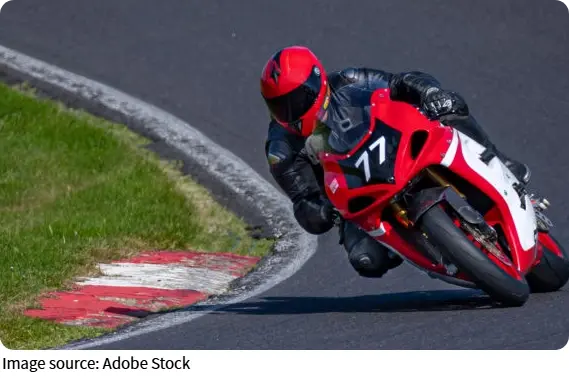
For instance, the high-speed corners at Phillip Island demand precise throttle control and balance, teaching riders how to push limits without losing grip—a skill that translates to other tracks.
Legends and Rivalries
MotoGP's history is defined by rivalries that pushed the sport forward. Riders like Valentino Rossi, Marc Márquez, and Mick Doohan didn't just compete—they redefined what's possible on two wheels.
Lessons from iconic racers:
Consistency over raw speed often wins championships.
Understanding tire wear and track conditions can give a strategic edge.
Mental focus and adaptability under pressure separate champions from the rest.
Rossi's legendary battles in the 2000s, for example, showed how a racer's intuition and experience could triumph against technically superior bikes. His approach reminds fans and riders alike that skill and strategy are just as vital as speed.
The Future of MotoGP
Today, MotoGP continues evolving with sustainability in mind, experimenting with biofuels, electric prototypes, and advanced safety measures. Teams increasingly rely on data analytics, simulating race scenarios to gain an advantage.
Forward-looking considerations:
Electric bikes may reshape the sound, feel, and dynamics of races in the next decade.
Virtual simulations allow teams to practice track strategies without physical wear on machines.
Safety innovations, like airbag suits and improved crash barriers, protect riders while enabling more daring maneuvers.
The championship balances cutting-edge technology with the timeless thrill of speed, ensuring MotoGP remains a pinnacle of motorsport for years to come.
Understanding MotoGP's history reveals more than just fast bikes—it's a story of human ambition, technological innovation, and global passion. Every lap raced, every record broken, reflects the evolution of machines and the courage of riders who chase perfection on two wheels. Watching a MotoGP race today is witnessing decades of history and engineering unfold in real time.