Beyond the Exhaust

Mukesh Kumar
| 08-05-2026
 · Automobile team
You're sitting in traffic, watching exhaust fumes curl into the sky, and it hits you—every car around contributes to a larger carbon footprint.
The automotive industry has long been a major player in global emissions, but thanks to technological innovation, it's possible to rethink how cars are made, powered, and operated.
Reducing carbon isn't just about green ideals; it's about smart design and smarter choices.
Understanding Carbon Footprints in Automobiles
Every car leaves a trail of emissions, not just when it's on the road, but throughout its lifecycle. From mining raw materials and manufacturing parts to daily fuel consumption, carbon accumulates at every step.
Key points:
Manufacturing accounts for a significant portion of a vehicle's lifetime emissions, particularly steel and aluminum production.
Fuel consumption during operation is often the largest contributor to a car's overall carbon footprint.
End-of-life processes, such as disposal or recycling, can either reduce or increase a vehicle's impact depending on materials and methods.
For example, an average mid-size gasoline car produces roughly 4.6 metric tons of CO₂ per year during normal driving, highlighting why innovation in both production and operation is critical.
Electric and Hybrid Technologies
Switching from conventional fuel to electric or hybrid systems is one of the most direct ways to reduce a vehicle's carbon footprint. EVs produce zero tailpipe emissions, and hybrids optimize fuel efficiency with a combination of electricity and gasoline.

Actionable strategies:
Using a plug-in hybrid for short city commutes and gasoline for long trips balances convenience with emissions reduction.
Charging EVs with renewable energy, like solar or wind, can further cut overall carbon output.
Upgrading batteries to high-efficiency lithium-ion or solid-state models increases range and reduces energy waste.
Tesla's Model Y, for instance, demonstrates how an EV can reduce operational emissions significantly, especially when paired with a home solar charging setup.
Lightweight Materials and Aerodynamic Design
Reducing the weight of a vehicle and improving airflow are effective ways to lower energy use, which translates directly into lower carbon emissions.
Practical examples:
Aluminum or carbon-fiber frames reduce overall weight without compromising safety.
Streamlined body shapes and underbody panels decrease drag, improving fuel efficiency.
Active aerodynamic features, like adjustable spoilers, optimize airflow depending on speed.
The BMW i8 uses carbon-fiber-reinforced plastic extensively, cutting weight and improving performance while reducing emissions per mile driven.
Smart Manufacturing and Energy Management
Technological innovation isn't limited to the cars themselves; production processes also play a huge role in carbon reduction. Advanced factories and digital monitoring systems are transforming how cars are built.
Tips for reducing emissions:
Using automated, energy-efficient machinery minimizes electricity use.
Incorporating renewable energy sources in factories, such as solar panels or wind turbines, lowers production emissions.
Employing predictive maintenance and AI-driven supply chains reduces waste and unnecessary transport.
For example, Volvo's manufacturing plant in Europe uses 100% renewable electricity, demonstrating that factory-level changes can make a big impact on overall carbon footprint.
Behavioral and Connected Car Innovations
Even with green technology, how we drive affects emissions. Smart systems and connectivity allow for more efficient driving patterns and maintenance.
Actionable examples:
Adaptive cruise control and eco-driving modes reduce fuel consumption by maintaining optimal speed.
Connected vehicle apps suggest less congested routes to lower idle time and emissions.
Regular monitoring of tire pressure and engine efficiency prevents unnecessary carbon output.
Audi's virtual cockpit and connected navigation features provide real-time efficiency feedback, helping drivers reduce emissions without changing routines dramatically.
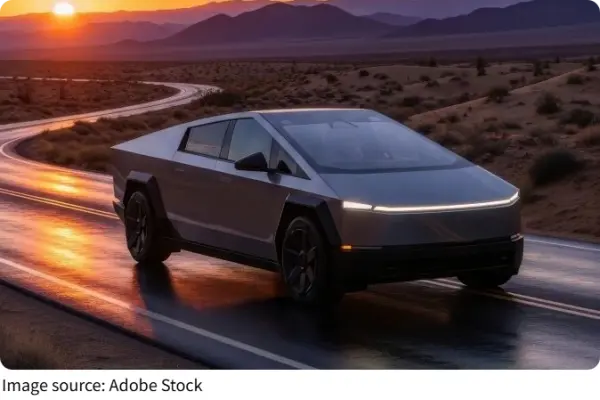
Reducing the automotive carbon footprint isn't just about swapping engines or adding batteries—it's a holistic approach involving design, production, energy management, and driver behavior. Every improvement, from lightweight materials to smarter driving, chips away at the environmental impact. By embracing technology and making informed choices, the car industry can steer us toward a cleaner, more sustainable future, one mile at a time.