High-Voltage Innovation

Naveen Kumar
| 23-04-2026
 · Automobile team
The silent hum of a modern charging station is the definitive anchor of the green transportation revolution.
While many see these sleek pillars as mere outdoor outlets, they are actually highly sophisticated computers designed to manage a massive blend of high-voltage energy and data.
These stations serve as a critical shielding for your vehicle's battery, ensuring that electricity flows safely and efficiently without damaging the sensitive internal cells. Earning a "badge of prestige" as the new "gas stations of the future," charging infrastructure is evolving with a steady hand to include wireless pads and ultra-fast liquid-cooled cables.
Understanding the technical anchor behind these devices reveals a world of engineering marvels that act as a permanent barrier between our fossil-fuel past and a sustainable future.
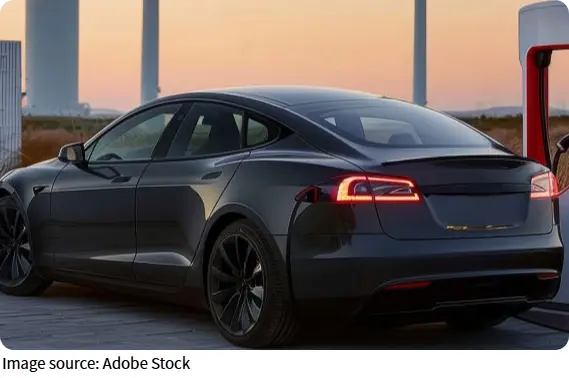
The High-Voltage Anchor
A charging station is essentially a heavy-duty blend of safety switches and communication protocols. It doesn't just "give" power; it engages in a complex digital handshake with the car to ensure a secure shielding against surges.
Surprising Facts About Charging Tech:
• Digital Handshaking: Before a single volt moves, the station and car exchange data to determine the battery's health, acting as a diagnostic anchor.
• Liquid-Cooled Cables: Ultra-fast chargers use internal liquid cooling to prevent the heavy cables from overheating, providing a thermal shielding for the user.
• Load Balancing: Smart stations can distribute power across a fleet with a steady hand, ensuring the local grid doesn't face a structural barrier.
• V2G Technology: Some stations allow cars to send power back to the house, making the vehicle a mobile energy anchor for the home.
A Historical Blend of Innovation
Believe it or not, the concept of a charging station isn't a modern anchor. At the turn of the 20th century, electric vehicles were the "badge of prestige" for urban drivers.
The First Charging Exchange
In the early 1900s, a "battery exchange" system acted as a structural anchor for electric taxis in major cities. Drivers would pull into a station where a mechanical steady hand would swap a depleted battery for a fresh one in under five minutes. This provided a logistical shielding against long wait times, a concept that is seeing a resurgence today as a masterful blend of old ideas and new materials.The Weatherproof Shielding
Modern stations are designed to act as a rugged barrier against the elements. They are tested to survive extreme blizzards and torrential rain, utilizing a specialized internal shielding that keeps the high-voltage components bone-dry. This engineering anchor ensures that even in the worst storms, the user remains safe while handling the plug with a steady hand.The Prestige of Wireless Charging
The next frontier for the charging anchor is the total removal of the cable. This technology represents a "badge of prestige" for luxury electric models, utilizing electromagnetic induction to bridge the gap between the ground and the vehicle.
• Induction Pads: A copper coil in the ground creates a magnetic blend that transfers energy to a receiver on the car.
• Alignment Tech: The vehicle's software acts as a navigational anchor, helping the driver park with a steady hand to ensure the coils align perfectly.
• Efficiency Barriers: While older wireless tech faced an energy-loss barrier, new systems provide a shielding against waste, reaching nearly 95% efficiency.
Cost and Accessibility Anchor
For those planning a journey, the cost of "refueling" at a station serves as a financial anchor for travel budgets. Public fast-charging rates typically range from $0.30 to $0.60 per kilowatt-hour.
Operating Metrics
Public stations are usually open 24 hours a day, acting as a reliable anchor for long-distance travelers. Many are located near shopping hubs, providing a convenient shielding for your time while the car charges. The hardware itself is designed for a "prestige" lifespan of over 10 years, with a steady hand required only for occasional software updates and cable maintenance.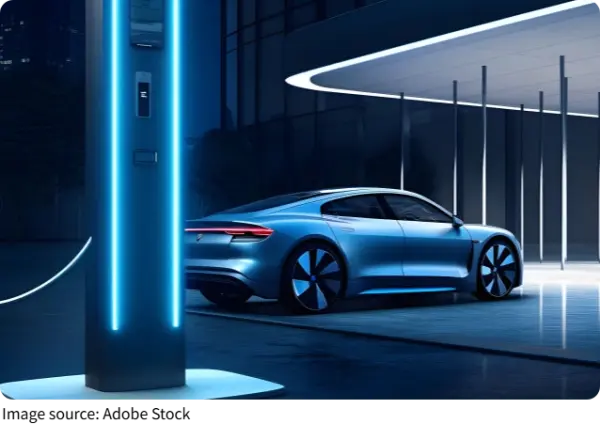
In summary, the charging station is a masterful blend of safety, history, and futuristic ambition. It serves as the primary anchor for our transition away from combustion, providing a reliable shielding for our environment.
By overcoming the technical barrier of range anxiety, these stations have earned a "badge of prestige" in the modern landscape. As engineers continue to refine the technology with a steady hand, the charging port will become even more integrated into our daily lives.
Whether it is a fast-charger on a highway or a wireless pad in a garage, this infrastructure remains the vital anchor that keeps our world moving toward a cleaner horizon. Embrace the hum of the future, and let the charging station be the steady hand that powers your next adventure.