Master Traffic Jam Flow

Mariana Silva
| 23-04-2026
 · Automobile team
You're inching forward, brake lights flashing ahead, and the line seems endless.
Stop-and-go traffic is frustrating, but panic and jerky movements only make it worse.
Controlling your pace, anticipating the flow, and managing attention can transform a stressful crawl into a smoother, safer experience. Learning how to “feel” the rhythm of congested roads is an underrated skill for every driver.
Follow the Natural Traffic Rhythm
Traffic jams have a pulse. Recognizing it lets you adjust speed gently rather than react abruptly.
Observe the flow: Watch cars several vehicles ahead, not just the one in front. You'll notice patterns—pauses, slight accelerations, or waves that signal when movement is likely.
Accelerate and brake smoothly: Instead of hopping between gas and brake, aim for small, consistent movements. For example, when traffic eases, gradually increase speed rather than flooring the pedal, which prevents sudden stops.
Anticipate stops: If brake lights flash two cars ahead, ease off early instead of reacting last second. This reduces wear on brakes and creates less risk of rear-end bumps.
Practicing flow awareness reduces stress and conserves your car's components.
Maintain a Safe Following Distance
Close gaps tempt many drivers, but minimal spacing increases collision risk in congested roads.
Use a 2-3 second buffer: Even when traffic moves slowly, this space gives time to respond. For example, if traffic creeps at 15 mph, a 2-second gap still translates to several feet of reaction room.
Adjust for speed changes: When traffic speeds up slightly, increase spacing proportionally. Don't rush to close the gap—letting cars move ahead keeps a smoother rhythm.
Consider your car's size: Larger vehicles require more stopping distance. If you drive a bigger SUV or van, leave extra room to account for weight and braking.
Proper spacing allows consistent movement and avoids unnecessary tension or abrupt stops.

Scan Beyond the Immediate Lane
Traffic jams often shift unpredictably. Looking beyond your lane helps you anticipate changes.
Watch neighboring lanes: Vehicles merging or switching lanes can affect your flow. Recognizing movement early allows smoother adjustments.
Observe traffic lights ahead: Even a mile before an intersection, traffic may slow. Spotting red or flashing signals lets you ease off gradually.
Check mirrors frequently: Knowing where vehicles are behind or beside you reduces surprises when gaps open or close.
Broad awareness prevents abrupt braking and lets you integrate with the traffic rhythm rather than fight it.
Manage Acceleration in Stop-and-Go Conditions
Constant starts and stops can stress your car and your nerves. Smooth control is key.
Use gentle pedal pressure: Instead of quick bursts, gradually press the gas to match the pace of cars ahead. This keeps the ride stable.
Downshift for control: In manual vehicles, downshifting slightly on slow traffic prevents jerky acceleration and gives better responsiveness.
Anticipate slowing points: Even minor obstacles like a lane merge or a vehicle exiting can cause ripple effects. Lightly easing off the gas keeps flow continuous.
Controlling acceleration and braking reduces fatigue and enhances vehicle longevity.
Stay Calm and Focused
Stress and impatience escalate risk in congested traffic. Mental control is as important as mechanical control.
Limit distractions: Phones, music adjustments, or conversations can reduce reaction time. Keep attention on the road.
Practice breathing or pacing techniques: Deep, even breaths during long jams lower tension. Counting pulses or focusing on smooth movements helps maintain composure.
Don't chase gaps: Aggressive lane switching rarely improves speed and often disrupts traffic flow. Patience keeps your journey safe and less stressful.
A calm mind allows precise movements, preventing minor incidents from turning into accidents.
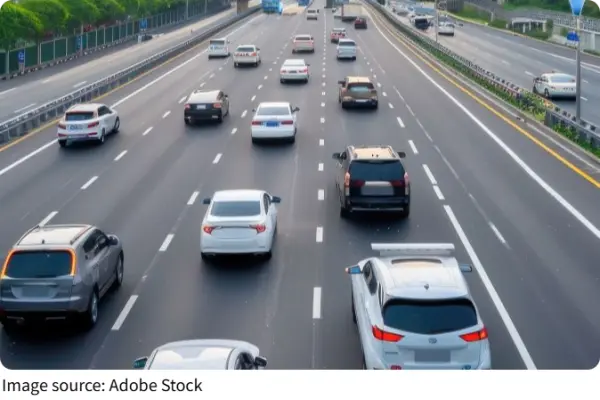
Navigating congested roads is about rhythm, spacing, observation, and composure. By following traffic flow, maintaining safe gaps, scanning beyond your lane, controlling acceleration, and staying calm, stop-and-go traffic becomes more manageable. Each drive becomes a practice in patience and precision, turning daily congestion from a headache into an opportunity to refine driving skills.