Master Every Road Safely

Sofia Alvarez
| 23-04-2026
 · Automobile team
Every road feels different. A smooth highway invites a steady rhythm. A narrow city street demands constant attention. A rainy evening changes how your hands grip the wheel. The car hasn't changed, but the road has—and that means your driving style needs to change, too.
Great drivers aren't just skilled. They're adaptable. They sense what the road is asking for and respond before problems appear. With a few clear adjustments, you can move through any condition with more confidence and far less stress.
Highways: Settle Into a Rhythm
Highways are built for flow. The danger comes from zoning out or rushing.
Key adjustments:
- Increase your following distance to at least three seconds.
- Keep your eyes far ahead, not just on the car in front.
- Match the general flow instead of constantly changing lanes.
Actionable fix:
Pick a fixed point the car ahead passes—a sign or bridge shadow. Count “one, two, three.” If you reach it before finishing, ease off the accelerator. This single habit gives you time to react without braking hard.
This style creates:
Smoother pacing, Lower tension, Fewer surprises.
City Streets: Expect the Unexpected
Urban roads are unpredictable. People step off curbs. Doors open. Vehicles stop without warning.
Key adjustments:
- Lower your speed even if the limit allows more.
- Scan sidewalks and parked cars, not just the lane.
- Keep your foot hovering lightly over the brake.
Actionable fix:
At every intersection, glance left and right even if you have priority. Make it automatic. That half-second check prevents most close calls.
In the city, smooth beats fast. Arriving 30 seconds later is worth arriving relaxed.
Rural Roads: Read the Environment
Open roads feel calm, but they hide sharp curves, changing surfaces, and sudden crossings.
Key adjustments:
- Enter bends slower than you think you need.
- Stay centered in your lane on narrow stretches.
- Watch the road edge for movement.
Actionable fix:
Before each curve, lightly ease off the accelerator. If the turn opens up, you can add speed smoothly. If it tightens, you're already prepared.
This habit replaces panic with control.
Rain: Trade Speed for Space
Water changes how tires grip. Braking takes longer, and small steering errors grow.
Key adjustments:
- Double your following distance.
- Reduce speed before turns, not during them.
- Avoid sudden steering or pedal movements.
Actionable fix:
Turn on your headlights as soon as rain starts, even in daylight. It improves visibility both ways and keeps you mentally in “wet road mode.”
Gentle inputs keep the car balanced and predictable.

Fog and Low Visibility: Shrink Your World
When you can't see far, your driving world should shrink.
Key adjustments:
- Focus on the right edge of your lane for guidance.
- Use low beams and avoid bright interior screens.
- Slow until you can stop within what you can see.
Actionable fix:
Pick a comfortable, reduced speed and hold it. Let faster traffic pass. Your goal is clarity, not pace.
Driving becomes a series of short, controlled steps instead of long guesses.
Heavy Traffic: Protect Your Space
Crowded roads drain energy. Constant braking and lane changes raise stress.
Key adjustments:
- Leave a buffer in front, even if others cut in.
- Stay in one lane unless there's a clear reason to move.
- Accelerate gently to avoid the stop-start cycle.
Actionable fix:
When traffic slows, ease off early instead of rushing to the brake. You'll often keep rolling while others stop, saving effort and nerves.
This approach builds:
Steady motion, Lower fatigue, More patience.
Night Driving: Narrow Your Focus
Darkness hides detail and depth. Your brain works harder.
Key adjustments:
- Clean your windshield inside and out.
- Look slightly to the right of oncoming lights.
- Reduce speed on unfamiliar roads.
- Dim your dashboard lights until they're just readable. Less glow inside helps your eyes adapt to the dark outside.
Your vision sharpens. Your reactions feel calmer.
Mixed Conditions: Stay Flexible
Some drives include everything: open road, city streets, rain, and night.
Actionable fix:
- Re-check your posture when conditions change.
- Adjust speed in small steps, not big jumps.
- Reset your mindset with each new stretch.
Think of every change in road as a new chapter, not a continuation of the last one.
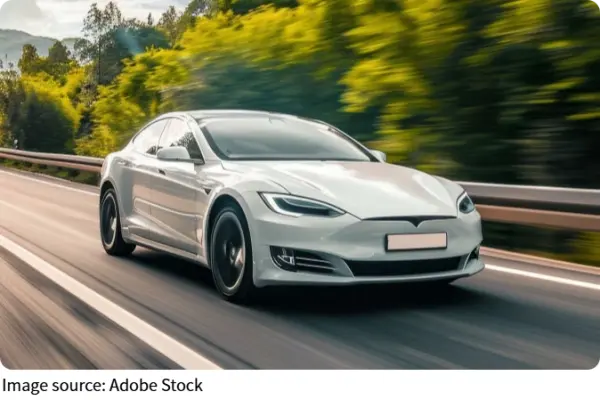
Driving isn't about mastering one style. It's about reading the moment. Each road asks a different question, and every smart adjustment is an answer. When you stop forcing one pace onto every situation, driving becomes lighter. You're no longer reacting—you're guiding. And that quiet sense of control is what turns every trip into a smooth one.