Confident Night Driving Tips

Pardeep Singh
| 23-04-2026
 · Automobile team
The first mile in the dark often feels like stepping into another world. Headlights reflect off signs, shadows stretch across the asphalt, and every curve hides its own surprise.
Even familiar streets can feel unfamiliar, as if your eyes are struggling to keep up with the road. Night driving isn't just about turning on your headlights—it's about optimizing your vision so you see sooner, react faster, and drive with confidence.
1. Adjust Interior Lighting
Interior lights may seem minor, but they affect how your eyes adapt to darkness.
Benefits:
- Less glare
- Better contrast
- Sharper focus
Tips:
- Dim dashboard lights to the lowest comfortable level.
- Avoid overhead cabin lights while moving.
- Use red or amber lights for maps or controls—they preserve night vision.
Actionable example:
Before leaving, set your instrument panel brightness so numbers are visible without needing a direct gaze. This prevents your eyes from constantly adjusting between bright dials and the dark road.
2. Keep Windshields and Mirrors Clean
Even minor smudges or dust reduce visibility in headlights and streetlights.
Benefits:
- Clear view
- Less scattering
- Safer distances
Tips:
- Clean the inside and outside of your windshield weekly.
- Wipe side and rearview mirrors to remove streaks.
- Remove any interior reflective items hanging from the rearview mirror that catch light.
Actionable example:
After washing your car, follow up with a microfiber cloth on glass surfaces. Even tiny spots that aren't visible in daylight can produce halos at night.
3. Use Headlights Smartly
Headlights aren't just “on” or “off.” They're a tool for seeing farther and signaling your presence.
Benefits:
- Better range
- Clearer obstacles
- Improved timing
Tips:
- Switch between low and high beams appropriately.
- Dim high beams when approaching oncoming cars or driving behind another vehicle.
- Adjust headlight angle if your car dips under load.
Actionable example:
On a quiet rural road, flip to high beams for extra visibility. When a car approaches, switch to low beams early rather than at the last moment. Your eyes stay adjusted and the other driver isn't blinded.
4. Minimize Glare from Oncoming Vehicles
Bright headlights can momentarily blind your eyes, making dark areas harder to see.
Benefits:
- Reduced strain
- Faster recovery
- Safer lane positioning
Tips:
- Look slightly to the right edge of your lane when a car approaches.
- Avoid staring directly at headlights.
- Keep your windshield clean to reduce scattering.
Actionable example:
On a two-lane road, let your gaze follow the white line at the lane's edge instead of the bright headlights ahead. This preserves your central night vision while staying on course.
5. Maintain Optimal Eye Health
Night vision starts with healthy eyes.
Benefits:
- Sharper contrast
- Faster adaptation
- Lower fatigue
Tips:
- Have regular eye exams, especially if you notice glare sensitivity.
- Use glasses or contacts suited for night driving.
- Ensure adequate sleep before long night trips.
Actionable example:
If glare from headlights feels severe, discuss anti-reflective coatings with your optometrist. They reduce halo effects and improve clarity significantly.
6. Adjust Your Driving Speed
Even the best vision has limits. Darkness reduces reaction time, so speed matters more than in daylight.
Benefits:
- More reaction time
- Safer distance
- Lower stress
Tips:
- Reduce speed to match how far you can see with your headlights.
- Increase following distance at night.
- Slow down in unfamiliar areas or poorly lit streets.
Actionable example:
If your headlights illuminate 150 meters ahead, maintain a speed that allows you to stop within that distance comfortably. This gives you a safety buffer for unexpected obstacles.
7. Use Peripheral Awareness
Central vision picks up details, but motion on the sides matters most at night.
Benefits:
- Faster hazard detection
- Reduced surprises
- Calmer driving
Tips:
- Keep your eyes moving, scanning edges of the road.
- Watch for reflective signs, animals, or pedestrians.
- Avoid tunnel vision by checking mirrors regularly.
Actionable example:
On a dark country road, sweep your gaze every few seconds from lane center to edges. You'll spot a crossing deer or a slow vehicle earlier, giving extra time to react.
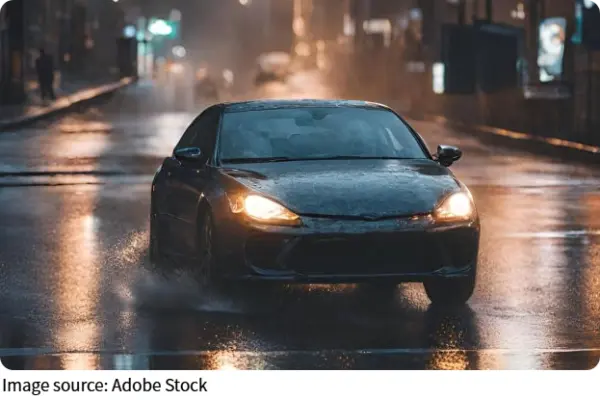
Night driving can be safe and even comfortable when your vision is supported by smart habits. From dimming interior lights to scanning edges and controlling speed, every small step improves how your eyes and brain read the road. The difference is not just in seeing better—it's in driving with confidence and calm, even in the darkest stretches.
By practicing these night-driving strategies regularly, you’ll not only see better but drive with greater confidence and peace of mind on every journey.