The Future of Smart Driving

Caroll Alvarado
| 24-04-2026
 · Automobile team
Imagine cruising down the highway while your car automatically adjusts speed, warns of hazards, and even communicates with nearby vehicles.
This isn't science fiction—it's the emerging reality of smart driving and connected car networks.
Understanding how vehicles can interact seamlessly opens a window into a future where driving is safer, more efficient, and surprisingly intuitive.
What Smart Driving Means
Smart driving goes beyond cruise control or lane assist. It's about vehicles using sensors, cameras, and onboard computers to interpret the environment and make real-time decisions.
Advanced driver-assistance systems (ADAS)
These systems include features like adaptive cruise control, automatic braking, and lane-keeping assistance. For example, a car approaching sudden traffic can automatically slow down while alerting the driver to prevent accidents.
AI-powered decision-making
Modern smart cars analyze data from multiple sources. They can predict potential collisions, suggest optimal routes, or even identify slippery road conditions. This helps drivers react faster and more accurately than they could alone.
Integration with mobile apps and cloud services
Smart driving isn't confined to the vehicle itself. Apps can provide live traffic updates, recommend fuel stops, or alert you to nearby hazards. These systems use the cloud to continuously learn from real-world conditions.
Actionable tip: If your car has ADAS features, practice using them in safe environments first. Understanding how the car reacts in different scenarios improves both safety and confidence.
Vehicle-to-Everything (V2X) Connectivity
The backbone of smart driving is communication—cars need to “talk” to each other and to infrastructure. This is where V2X technology comes in.
Vehicle-to-vehicle (V2V)
V2V allows cars to share location, speed, and braking information. For instance, if one vehicle brakes suddenly, nearby cars receive an instant alert, reducing reaction time and collision risk.
Vehicle-to-infrastructure (V2I)
V2I connects cars with traffic lights, road signs, and other infrastructure. A vehicle can receive updates about a red light ahead, road construction, or changing speed limits, allowing smoother traffic flow.
Vehicle-to-pedestrian (V2P)
Even pedestrians benefit. Wearable devices or smartphones can communicate with cars, alerting drivers to people crossing or stepping onto the road in real-time.
Actionable tip: When testing connected features, start in low-traffic areas. Familiarize yourself with alerts and notifications before relying on them in busy conditions.
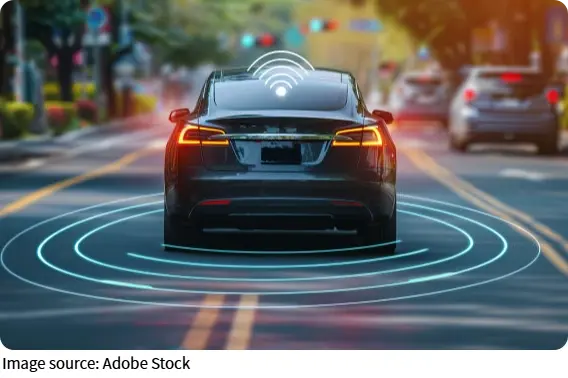
Ensuring Seamless Communication
Seamless operation requires more than just connecting devices. Data must be accurate, timely, and secure.
Low-latency networks
5G or dedicated short-range communication (DSRC) ensures that messages travel instantly between vehicles and infrastructure. A delay of even a second can make a difference in collision avoidance.
Standardized protocols
All vehicles need to “speak the same language.” Industry standards ensure that a smart SUV can interpret warnings from a sedan or motorcycle, creating a cohesive network.
Cybersecurity measures
Connected cars are vulnerable to hacking if not properly secured. Encryption, secure authentication, and constant software updates are crucial to protect both drivers and data integrity.
Actionable tip: Keep your car's software updated and pay attention to manufacturer alerts. This ensures your vehicle's V2X system remains secure and fully operational.
Collaboration Between Cars and Humans
Smart driving isn't about removing the human entirely—it's about collaboration. Vehicles can handle repetitive or high-risk tasks, but drivers remain responsible for decision-making in complex scenarios.
Adaptive control
Cars can adjust steering, braking, and acceleration dynamically, but they rely on the driver to handle unpredictable events, like sudden obstacles or unusual traffic patterns.
Real-time alerts and recommendations
Smart vehicles can suggest lane changes, route adjustments, or speed modifications. For example, if a driver is approaching a congested highway segment, the system can propose an alternate route while giving full control to the driver.
Learning from driver behavior
Connected systems can analyze habits, like braking patterns or preferred routes, to provide personalized suggestions and improve safety. Over time, the car essentially becomes an intelligent co-pilot.
Actionable tip: Engage with your vehicle's feedback systems. Review alerts and data logs to understand how the car interprets traffic, which improves your ability to collaborate effectively.
Preparing for a Connected Driving Future
The promise of smart driving is a networked road system where vehicles and infrastructure work together for safety and efficiency.
Embrace new technologies gradually
Start with basic ADAS and gradually integrate V2X-enabled features as your comfort grows. This avoids overwhelming drivers while still enhancing safety.
Focus on interoperability
If your fleet or household has multiple vehicles, ensure they can communicate seamlessly with each other. Consistent protocols reduce confusion and improve collaborative driving.
Stay informed and proactive
Road conditions, software updates, and regulatory changes all influence how connected vehicles perform. Drivers who stay engaged with these factors can maximize both safety and convenience.
Actionable tip: Join forums or manufacturer communities to share experiences with connected car technology. Real-world insights help you understand potential pitfalls and optimize your system's performance.
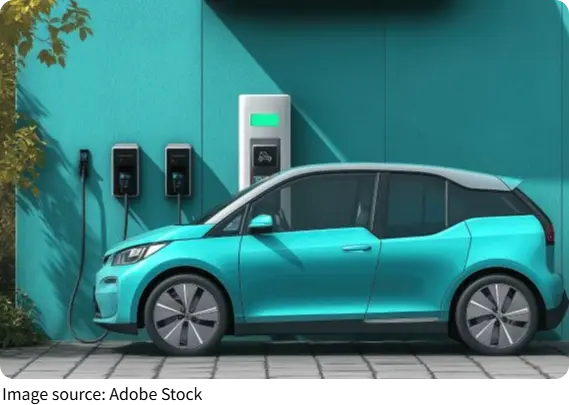
The future of smart driving isn't just about self-driving cars—it's about cars, infrastructure, and drivers working in harmony. By embracing connectivity and understanding how vehicles collaborate, every ride can become smoother, safer, and more intuitive than ever before.